English
한국어
English
Español
中文
हिंदी
Home
News
Community
Dictionary
English
한국어
English
Español
中文
हिंदी
View list
Rhododendron
Rhododendron brachycarpum
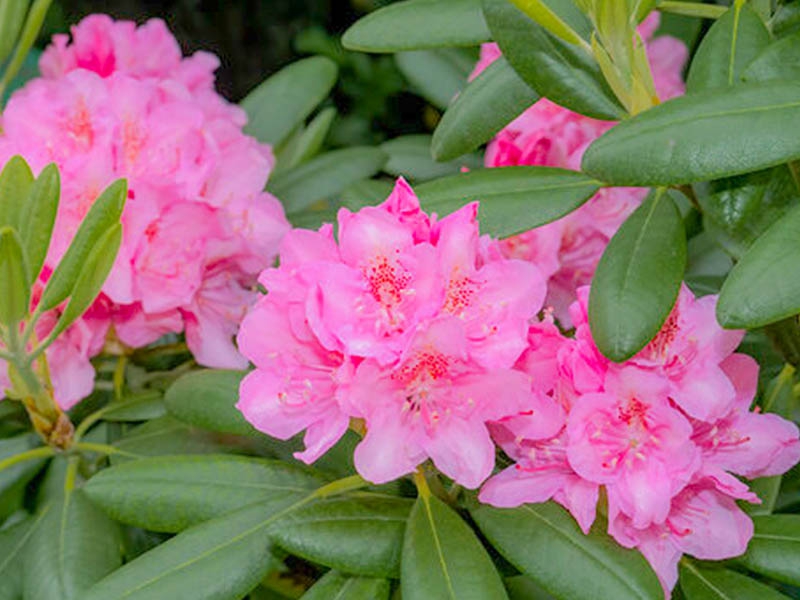
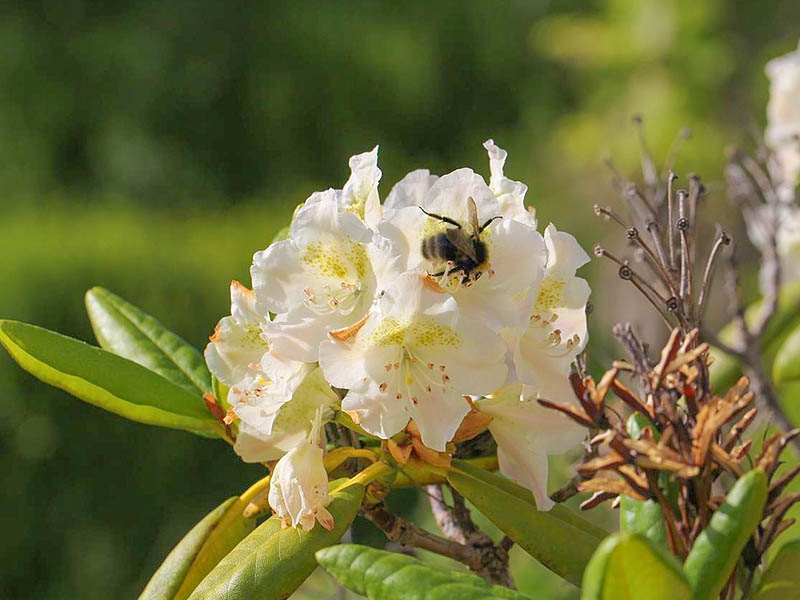
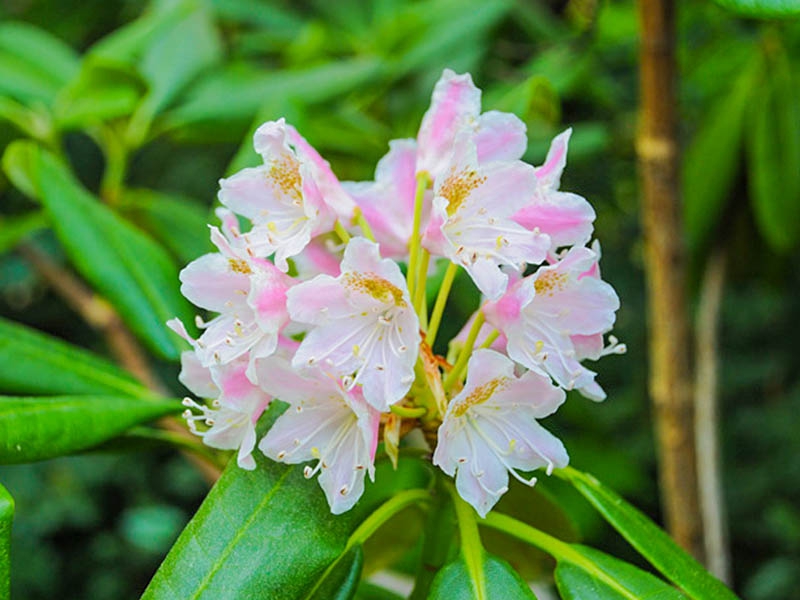
Growth Characteristics of Rhododendron brachycarpum Rhododendron brachycarpum is a highly cold-hardy plant that thrives even in cold climates. It primarily inhabits alpine regions in mountainous areas and prefers well-drained soil. It grows well in neutral to slightly acidic soil and adapts well to semi-shaded environments where sunlight is not intense. Its growth rate is relatively slow, and it can reach a height of 1 to 2 meters upon maturity. Propagation Methods Rhododendron brachycarpum can be propagated primarily by seeds and cuttings. - Seed Propagation: Harvest mature seeds in the spring and sow them. Since the seeds are fine and the germination rate is low, a cooling treatment may be necessary to increase the germination rate. - Cutting Propagation: Cut off a branch in the summer and plant it in a growing medium that retains sufficient water; roots will begin to grow. It is important to properly control humidity and temperature. Cultivation Method - Soil Preparation: Prepare well-drained soil that is neutral to slightly acidic. - Planting: It is best to plant in autumn or early spring. When planting, ensure that the roots are firmly in contact with the soil. - Watering: Avoid overwatering, and water thoroughly when the soil is dry. - Fertilization: Apply slow-release fertilizer in moderation during spring and autumn. - Pruning: Regularly remove diseased or unnecessary branches to improve ventilation. Uses in the Garden Rhododendron Brachicarpus is a very attractive plant in the garden due to its beautiful flowers and leaves. It is particularly suitable for natural garden designs as it adapts well to its surroundings and is easy to care for. Rather than planting it alone, it can be mixed with other trees to create a natural and harmonious atmosphere. Important Pests and Control Methods - Diseases: Leaf blight, mainly caused by fungi, may occur. Remove diseased leaves promptly and use an appropriate fungicide as needed. - Pest Infestation: Since the plant may be damaged by aphids or moths, regularly inspect the undersides of the leaves and use insecticides if necessary. Regular observation and prompt response are key to pest control. It is important to minimize the occurrence of pests by maintaining a clean environment.
Plant Type
Plant Family
Rhododendron family
Height
4m
Spread
Colors
White, pink, yellow
Bloom Period
June~July
Water Needs
commonly
Exposure
Sunny
Freezing Resistance
-20°C
Rhododendron
Rhododendron indicum
Yellow rhododendron
Rhododendron aureum