English
한국어
English
Español
中文
हिंदी
Home
News
Community
Dictionary
English
한국어
English
Español
中文
हिंदी
View list
Hallasan Azalea
Rhododendron mucronulatum
var.
taquetii
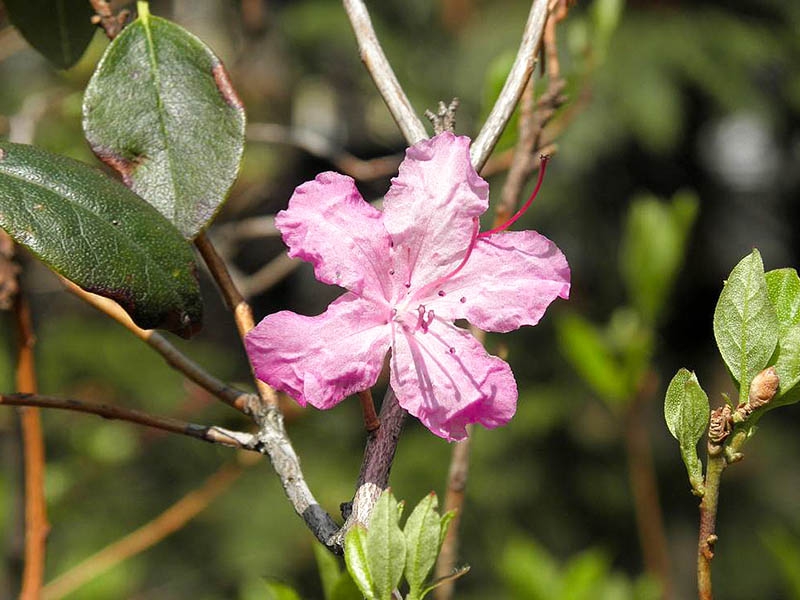
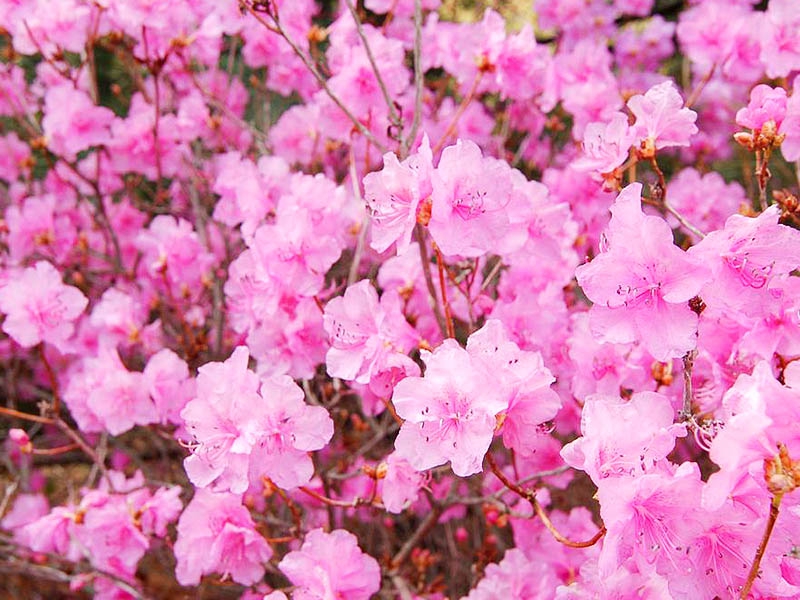
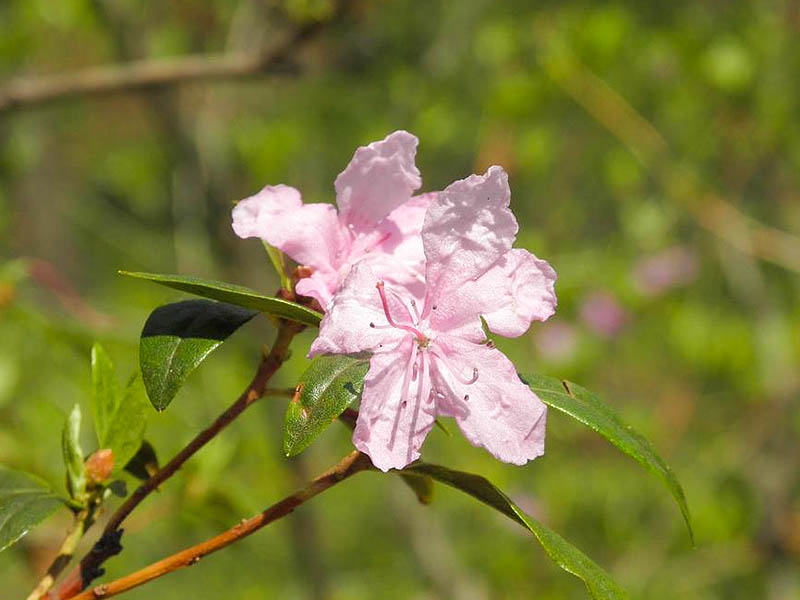
Hallasan Azalea, scientifically known as Rhododendron mucronulatum var. taquetii, is a plant native to Mt. Hallasan on Jeju Island, Korea. It is characterized by the following growth characteristics, propagation and cultivation methods, garden uses, major pests and diseases, and control methods. Growth Characteristics - Environment: Hallasan Azalea thrives in high-altitude areas above 600 meters above sea level. It prefers cool and humid environments. - Soil: Well-drained, acidic soil is suitable. It prefers soil with a high organic matter content. - Light: It grows well in partial shade, and it is best to avoid strong direct sunlight. Propagation Methods - Seed Propagation: It can be propagated using seeds; although the germination rate is low, this is a frequently used natural method. - Cuttings: Healthy stems can be cut in spring or autumn and propagated using the cutting method. - Grafting: Various varieties can be created by combining it with other azalea species through grafting. Cultivation Method - Prepare well-drained, acidic soil. - It is best to plant in spring or autumn. - After planting, water thoroughly to help the roots establish themselves. - Every autumn, cover with compost or fallen leaves to replenish nutrients. - During the winter, take precautions to protect the plant from strong winds and cold. Uses in the Garden Halla Mountain Azaleas bloom with white flowers and are primarily used as ornamental plants in gardens. They help create a natural landscape and blend well with other evergreens. They can be planted along garden edges or in rock gardens to add a natural touch. Important Pests and Control Methods - Diseases: Similar to rhododendrons and azaleas, they may be susceptible to powdery mildew and leaf mold. To prevent this, ensure good ventilation, and use appropriate fungicides if pests occur. - Pests: The most common pests include aphids and scale insects. If pests are discovered, you may immediately consider using insecticides or attempt control using natural enemies. Halla Mountain Azaleas are plants of great importance for nature conservation; therefore, it is crucial to protect them in their natural state by avoiding indiscriminate artificial harvesting or structural alterations.
Plant Type
Plant Family
Rhododendron family
Height
2~3m
Spread
Colors
orange
Bloom Period
april
Water Needs
commonly
Exposure
Sunny
Freezing Resistance
-30°C
Hallasan azalea
Rhododendron saisiuense
Yangcheokchok Molle
Rhododendron molle