English
한국어
English
Español
中文
हिंदी
Home
News
Community
Dictionary
English
한국어
English
Español
中文
हिंदी
View list
chickweed
Rhodotypos scandens
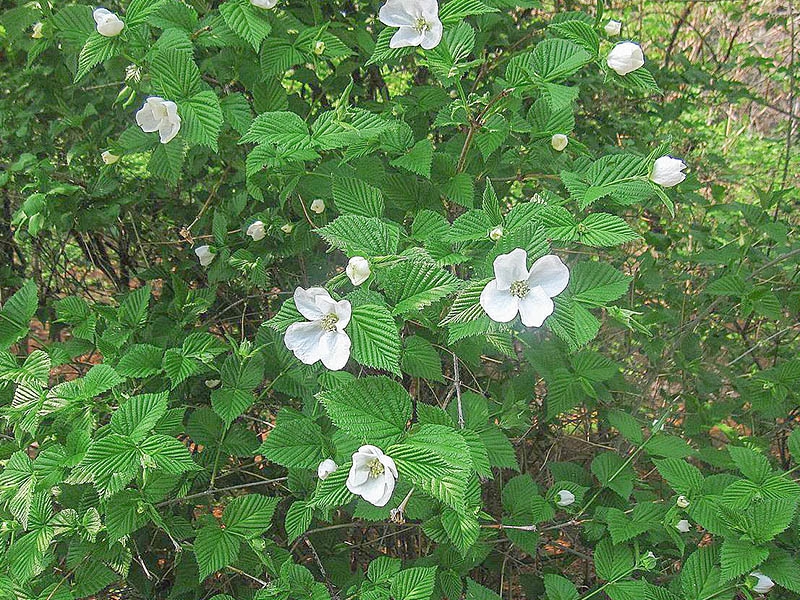
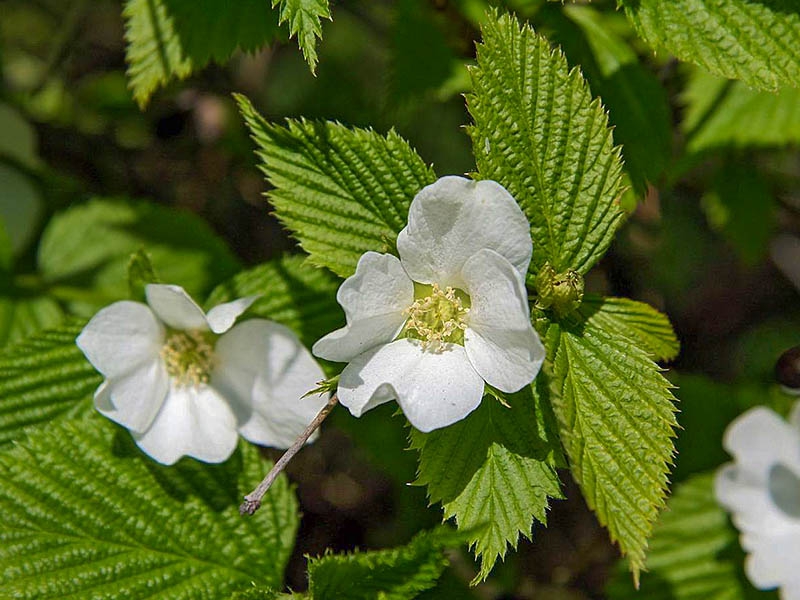
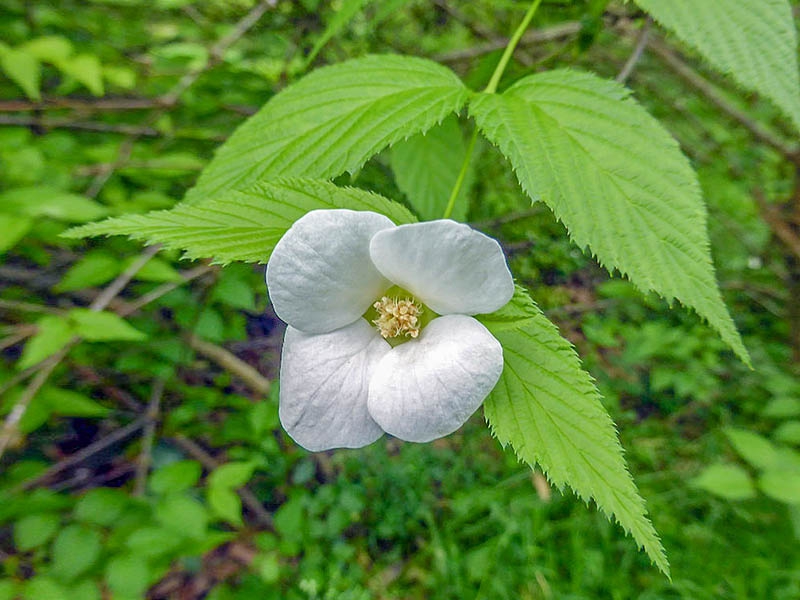
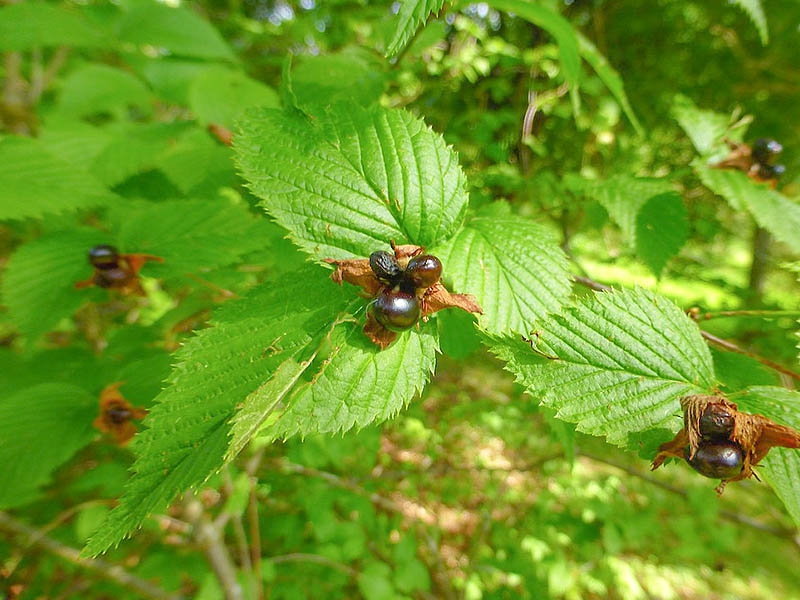
Rhodotypos scandens has the following growth characteristics, propagation methods, cultivation methods, garden uses, and information on major pests and diseases and control methods. Growth Characteristics - Height and Width: Rhodotypos generally grows up to 1.5 to 2 meters. - Flowers: It blooms with white, four-leaf flowers from late spring to early summer. - Leaves: The simple, alternate leaves are oval-shaped with slightly serrated margins. - Fruit: Black berries form from late summer to early autumn. Propagation Methods - Sowing: It can be propagated by sowing seeds in early spring or late autumn. Since germination rates can be low when using seeds, it is recommended to plant multiple seeds. - Cuttings: It can be easily propagated through semi-hardwood cuttings in the summer. Cultivation Methods - Soil: It grows best in fertile, well-drained soil. - Sunlight: It can tolerate a variety of light conditions, ranging from partial shade to full sun. - Water: Proper watering is required, and care must be taken to avoid overwatering. - Fertilizer: It is recommended to use slow-release fertilizer in the spring. Uses in the GardenThe Japanese quince is widely used as an ornamental plant, particularly favored in Japanese-style or nature-style gardens. It is also suitable for hedges or background planting. Important Pests and Control Methods - Pests: Watch out for aphids and leaf blight; use appropriate insecticides if necessary. - Diseases: Fungal diseases may occasionally occur on the leaves; in this case, use an appropriate fungicide to control the fungus. Based on this information, you can properly care for the Japanese quince and utilize it in your garden.
Plant Type
Plant Family
Rosaceae
Height
2m
Spread
Colors
white
Bloom Period
May
Water Needs
commonly
Exposure
Sunny
Freezing Resistance
-20°C
Seolnan 'Janette'
Rhodohypoxis baurii 'Jeanette'
Purple evergreen
Tradescantia spathacea