English
한국어
English
Español
中文
हिंदी
Home
News
Community
Dictionary
English
한국어
English
Español
中文
हिंदी
View list
sumac
Toxicodendron vernicifluum
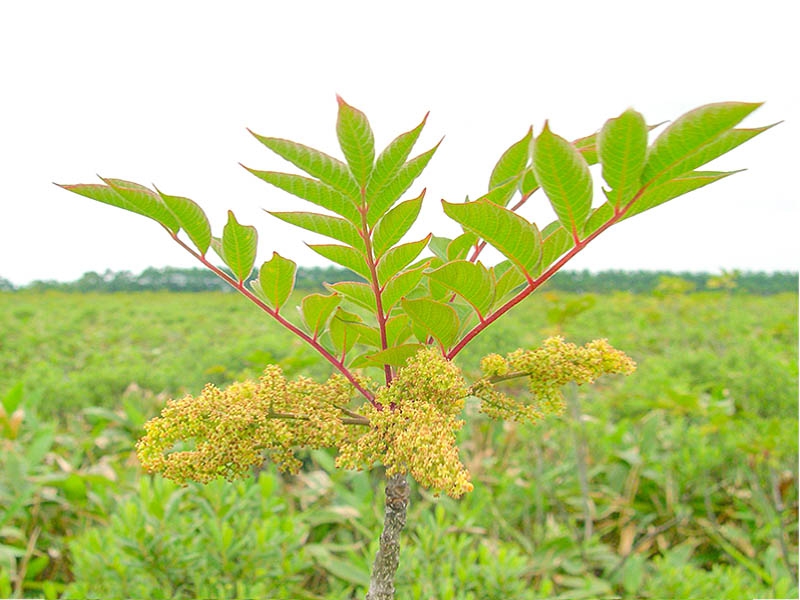
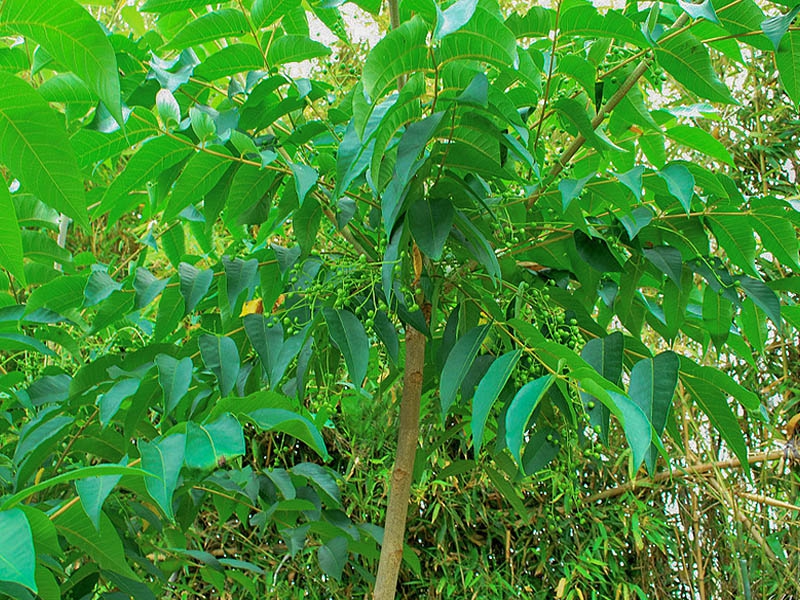
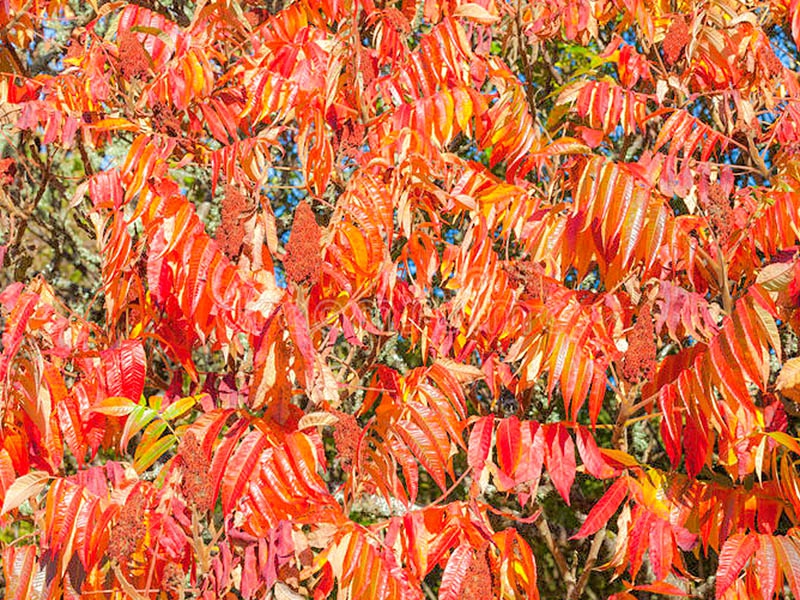
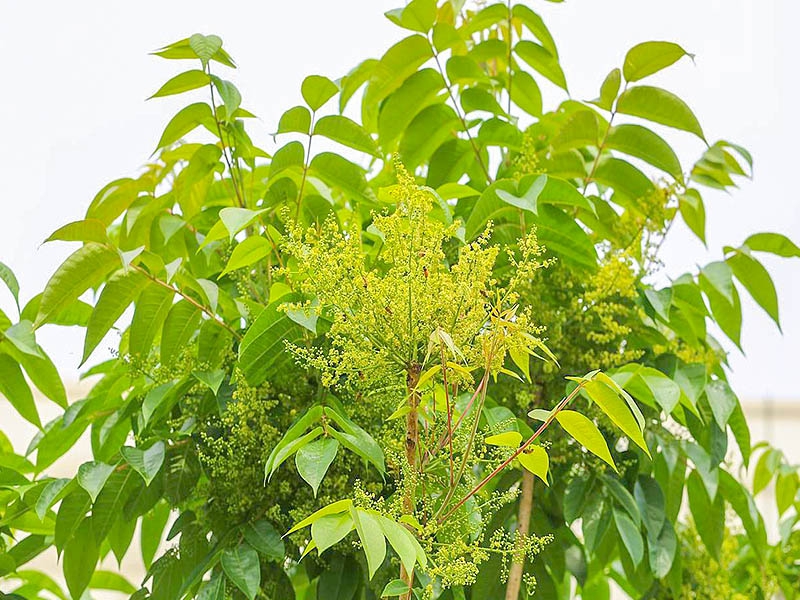
Growth Characteristics of the Poison Ivy The poison ivy is a deciduous tree that grows primarily in temperate climate regions of Asia, reaching heights of 10 to 20 meters. It prefers sunny locations and thrives in well-drained soil. The tree grows particularly fast during the summer, and its leaves are alternate and odd-pinnately compound. Propagation Methods While poison ivy is primarily propagated by seeds, it can also be propagated through root cuttings or stem cuttings. For seed propagation, fully mature seeds must be used; it is common practice to collect seeds in the autumn and sow them the following spring. For cutting propagation, cuttings are taken in the spring or autumn and managed in suitable soil to encourage rooting. Cultivation Methods - Planting: Poison ivy requires well-drained soil, so the soil must be properly prepared before planting. Dig a hole and prepare it by mixing in organic fertilizer. 2. Watering: Consistent watering is required during the early growth stage, while mature trees can rely on natural precipitation. However, additional water should be provided during dry periods. - Pruning: Pruning is performed to maintain the tree's shape and promote its health. Diseased or overly dense branches should be removed. Uses in the GardenToxicodendron is primarily used as an ornamental tree in gardens. Its large umbrella-shaped form and beautiful red autumn foliage are advantageous for landscape design. However, caution must be exercised regarding the toxic substances contained in the sap; therefore, it is recommended to plant them at an appropriate distance while avoiding contact. Important Pests and Control Methods - Diseases: Toxicodendron can be susceptible to certain diseases, particularly root rot or leaf lesions caused by fungi. To prevent this, periodic fungicide treatment should be performed, and infected parts should be removed immediately. - Pests: The tree may be damaged by the oak twig borer or other insects. To prevent this, regularly inspect the leaves and stems, and use natural or professional chemical insecticides to prevent pest damage. When growing poison ivy, it is important to take proper care and measures to prevent diseases and pests. Since contact can cause allergic reactions, it is necessary to cultivate it with caution.
Plant Type
Plant Family
Anacardiaceae
Height
7m
Spread
Colors
yellow, green
Bloom Period
May
Water Needs
commonly
Exposure
Sunny
Freezing Resistance
-20°C
Purple evergreen
Tradescantia spathacea
poison ivy
Toxicodendron trichocarpum