English
한국어
English
Español
中文
हिंदी
Home
News
Community
Dictionary
English
한국어
English
Español
中文
हिंदी
View list
Rhus trilobata
Rhus trilobata
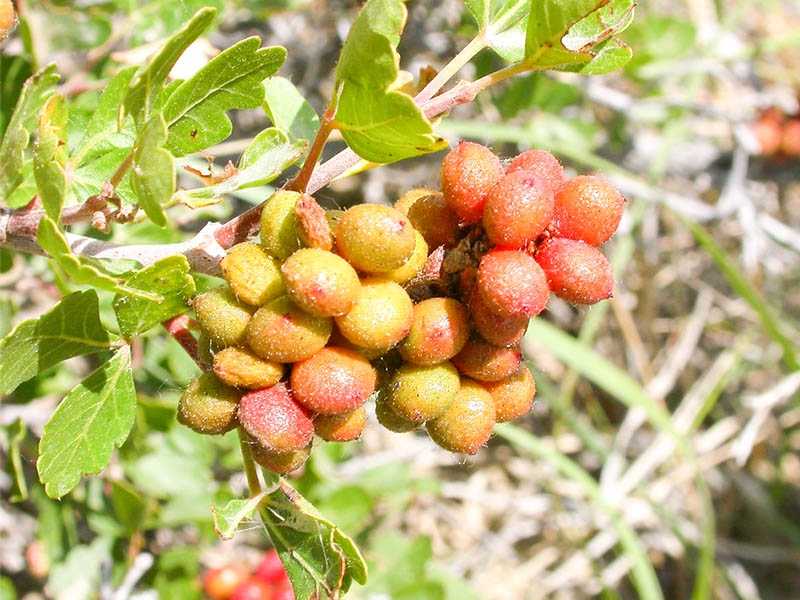
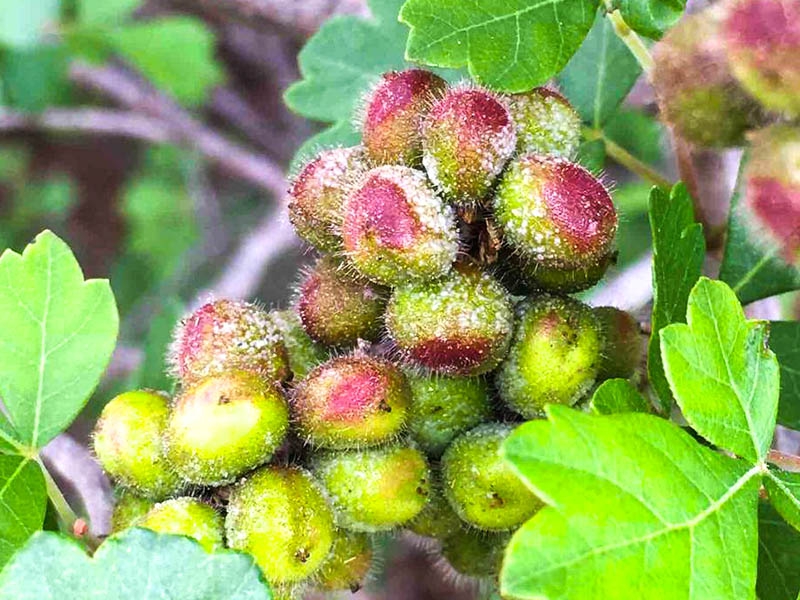
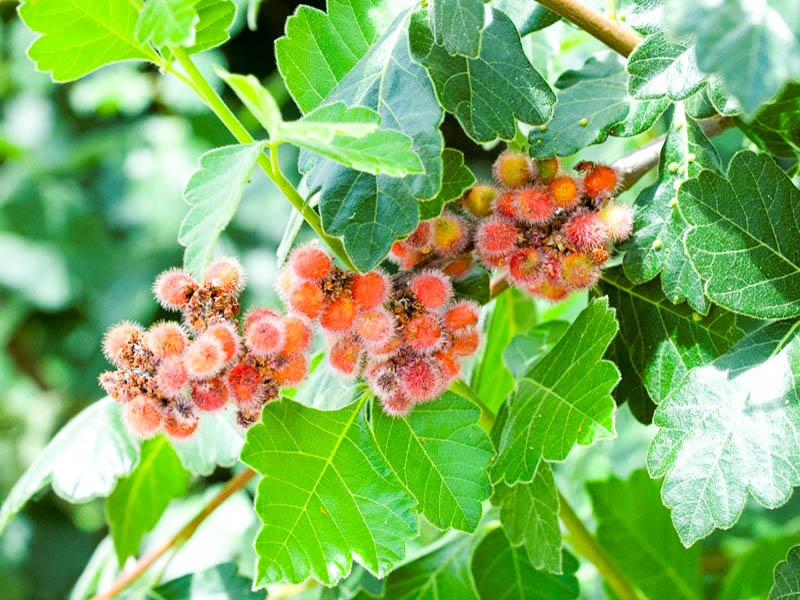
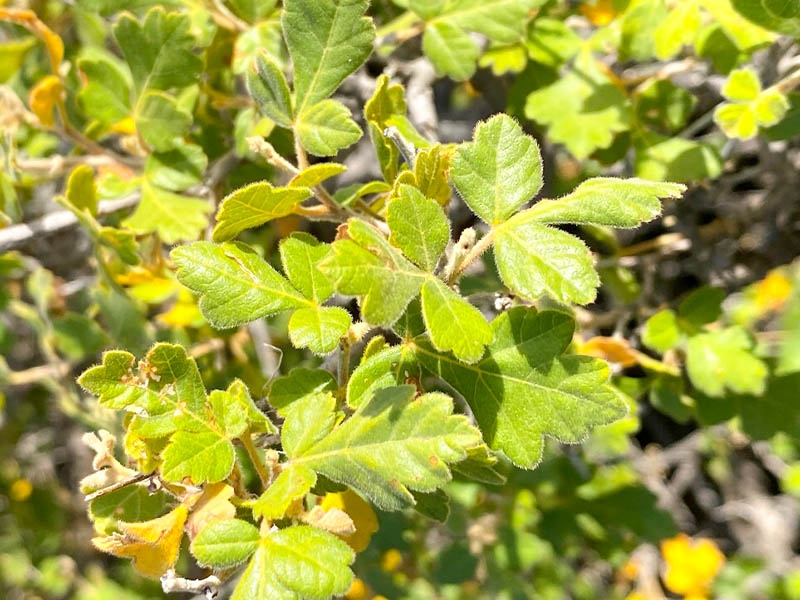
Rhus trilobata has the following characteristics regarding growth, propagation, cultivation, garden uses, and important pests and diseases and control methods. Growth CharacteristicsRhus trilobata is a deciduous shrub that thrives primarily in dry regions and can grow to a height of approximately 1 to 3 meters. Its leaves have a distinctive shape divided into three lobes and turn red in the autumn, providing a beautiful landscape. It is highly heat-tolerant and adapts well even to dry conditions. Propagation MethodsRhus trilobata is primarily propagated by seeds and cuttings. For seed propagation, seeds are collected from mature fruits and sown in the autumn or spring. For cutting propagation, new shoots are cut in the summer and planted in a soil mixture of sand and perlite to encourage rooting. Cultivation MethodsThis plant prefers sunny locations and grows well in well-drained soil. Regular watering is important during the early growth stage, but less water is required once the plant matures. Apply slow-release fertilizer in early spring. Uses in the GardenRhus trilobata can be used as a natural hedge in the garden and provides beautiful colors in the autumn. It is also suitable for landscaping as it harmonizes well with various plants. Important Pests and Control MethodsRhus trilobata is a relatively resistant plant to pests and diseases, but aphids or spider mites may occasionally occur. These pests can be removed using soapy water or vegetable oil. Additionally, regular pruning improves ventilation, which can help prevent the occurrence of pests and diseases. We hope you use this information to successfully cultivate Rhus trilobata.
Plant Type
Plant Family
Anacardiaceae
Height
90~240cm
Spread
90~240cm
Colors
red
Bloom Period
April to August
Water Needs
commonly
Exposure
Sunny
Freezing Resistance
-40°C
poison ivy
Toxicodendron orientale
Lacquer tree Obata
Rhus ovata