English
한국어
English
Español
中文
हिंदी
Home
News
Community
Dictionary
English
한국어
English
Español
中文
हिंदी
View list
Rhus chinensis, Copalinum
Rhus copallinum
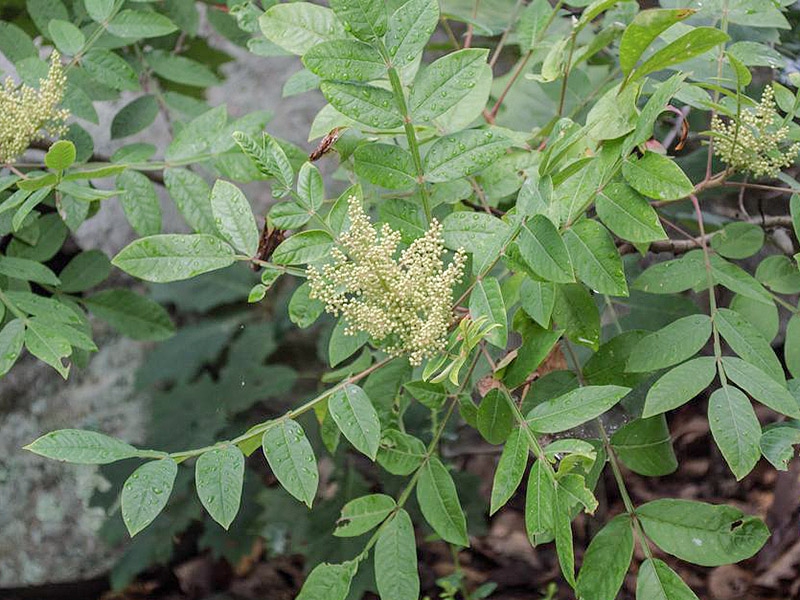
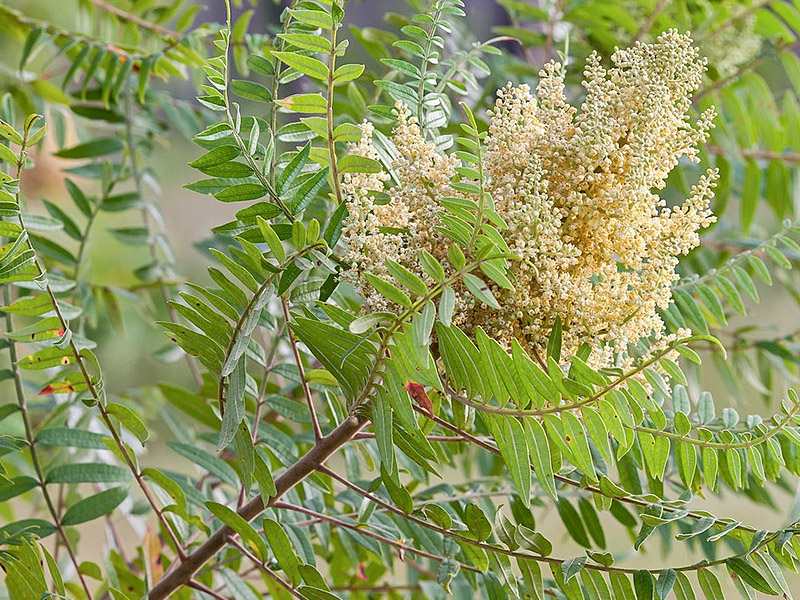
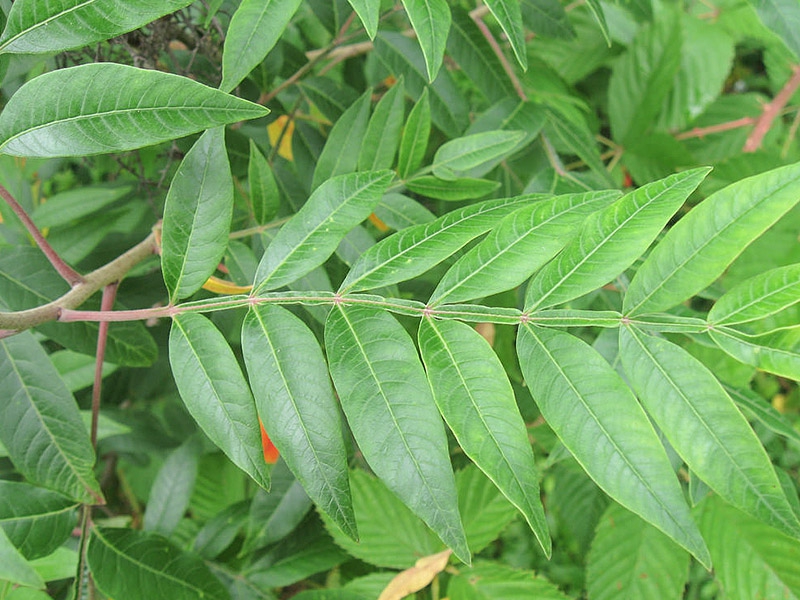
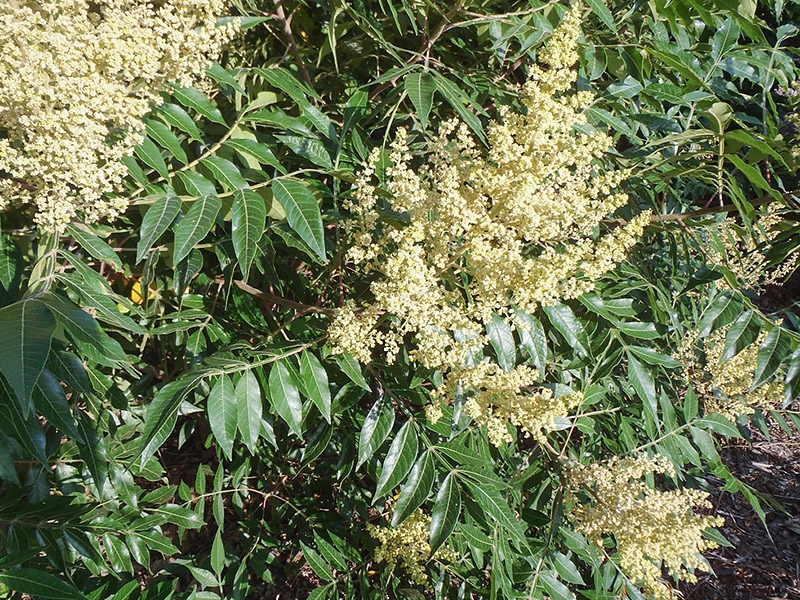
Growth Characteristics Rhus copallinum is a shrub or small tree primarily distributed in North America. It typically grows to a height of 2 to 9 meters, and its leaves are elongated with pointed tips. In autumn, the leaves turn red, creating a spectacular sight; green flowers bloom in summer, followed by the formation of red berries. Propagation Methods Rhus copallinum is primarily propagated by seeds. Seeds are collected from mature fruits and can be sown immediately after harvesting in autumn or in the spring after overwintering. To aid germination, it is effective to store seeds in a cool place with sand or similar materials for several weeks. Propagation is also possible through root or stem cuttings. Cultivation Methods - Soil: It grows well in a relatively wide variety of soil conditions, but prefers well-drained sandy or gravelly soil. - Sunlight: It grows best in full sun. Growth rates may slow down in the shade. - Watering: Water thoroughly during the initial establishment period, but it tolerates dry conditions well thereafter. - Pruning: Pruning should be performed as needed, and it is especially recommended to do so during the winter. Uses in the GardenThe beautiful autumn colors and ornamental berries of Rhus chinensis (Copalinum) make it very popular for landscaping in gardens and parks. It is excellent for use as a hedge or boundary plant, adding a natural touch to landscape designs. Important Pests and Control Methods - Diseases: Although it is relatively resistant to diseases, leaf blight or leaf spot may occasionally occur. Proper pruning and ensuring proper ventilation are important for managing these. - Pests: It is generally resistant to pests, but immediate control is required if caterpillars or aphids appear. In this case, organic insecticides can be used, or if pests are few, they can be removed by hand. Rhus chinensis (Copalinum) is suitable as a garden tree because it is relatively simple to care for and grows well in various conditions. However, periodic maintenance is necessary to reduce competition with other plants.
Plant Type
Plant Family
Anacardiaceae
Height
6~10m
Spread
3~6m
Colors
yellow
Bloom Period
July~August
Water Needs
commonly
Exposure
Sunny
Freezing Resistance
-30°C
Lacquer tree Obata
Rhus ovata
American red maple, Tiger Eyes
Rhus typhina Tiger Eyes