English
한국어
English
Español
中文
हिंदी
Home
News
Community
Dictionary
English
한국어
English
Español
中文
हिंदी
View list
American red tree
Rhus typhina
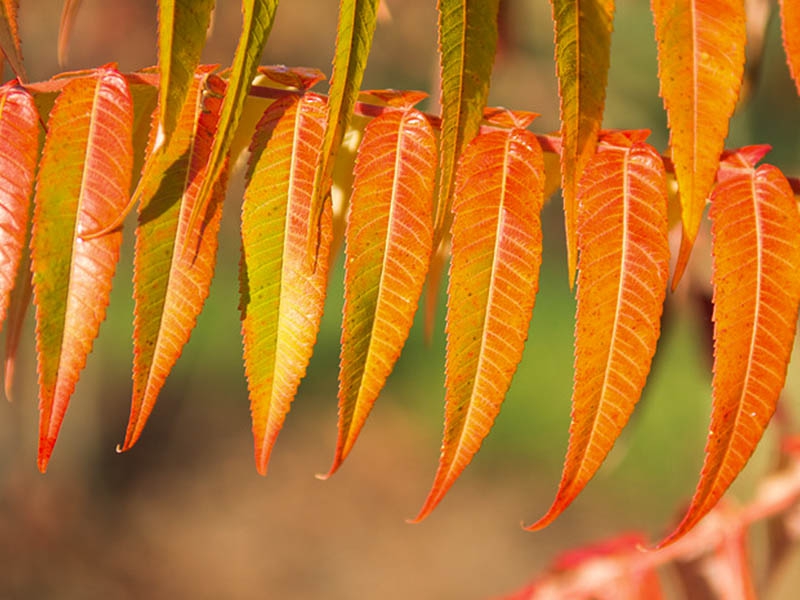
Rhus typhina is a plant native primarily to North America, characterized by the following growth traits and cultivation methods: Growth Tradition - Height: Mature trees grow to approximately 3 to 6 meters in height. - Leaves: The flowers have a distinctive shape, and the leaves are long and open in a pinnate fashion. - Flowers and Fruits: Green or yellow flowers bloom in the summer, and red, horn-shaped fruits develop in the autumn. - Environmental Conditions: It prefers sunny locations and thrives in well-drained soil. Propagation Methods - Seeds: It can be propagated by seeds; in cold regions, it is best to allow them to germinate naturally during the winter to increase the germination rate. - Cuttings: It can be propagated by taking cuttings from branches cut during the summer. Cultivation Methods - General Care: It requires ample watering initially, and its shape is controlled through periodic pruning. - Soil: It grows well in well-drained sandy or gravelly soil. Use in the Garden - Landscape Plant: Its red autumn leaves and berries are visually attractive, making it an excellent accent plant for the garden. - Ecological Value: It contributes to soil stabilization and the maintenance of biodiversity. Important Pests and Control Methods - Diseases: Black spot disease or fungal diseases on the leaves may occur. These diseases can be prevented through proper ventilation and sunlight management. - Pests: Pests such as leaf beetles or aphids may appear. Regular observation and the use of insecticides are recommended if necessary. Based on this information, you can grow a healthy Rhus verniciflua by managing it properly.
Plant Type
Plant Family
Anacardiaceae
Height
4.5~7.5m
Spread
6~9m
Colors
red
Bloom Period
June to August
Water Needs
commonly
Exposure
Sunny
Freezing Resistance
-40°C
American red maple 'dissecta'
Rhus typhina 'Dissecta'
Red cypress
Rhus glabra