English
한국어
English
Español
中文
हिंदी
Home
News
Community
Dictionary
English
한국어
English
Español
中文
हिंदी
View list
Autumnal equinox
Rhynchospermum verticillatum
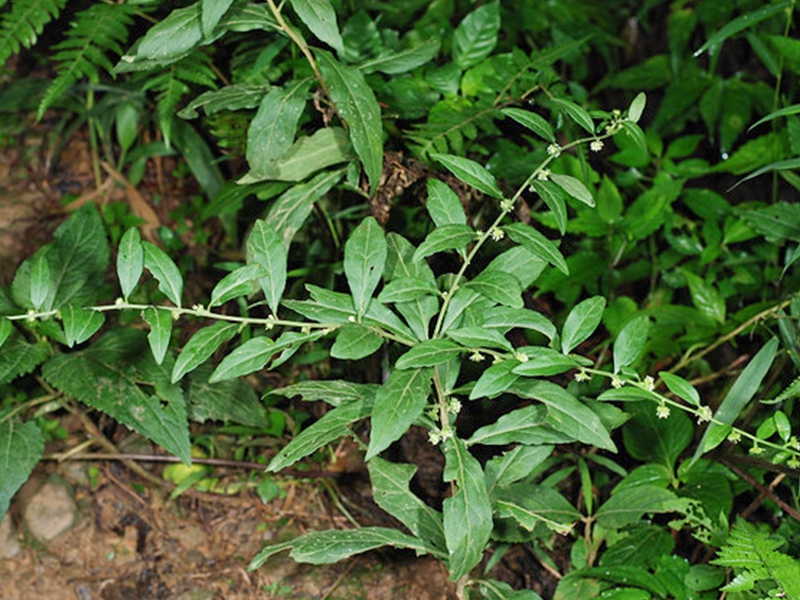
Rhynchopermum verticillatum is an evergreen vine that thrives primarily in temperate climates. I will explain the plant's growth characteristics, propagation methods, cultivation techniques, garden uses, and major pests and diseases, as well as control methods. - Growth Characteristics: - Rhynchopermum verticillatum grows best in sunny locations but can adapt to partial shade. - It requires well-drained soil and prefers a neutral to slightly acidic environment. - Propagation Methods: - It is primarily propagated by cuttings and seeds. - Cuttings are taken in spring or early summer; maintaining appropriate humidity and temperature increases the rooting rate. - Seed propagation is possible but takes relatively longer, and seeds germinate in cool climates. - Cultivation: - It is best to water thoroughly when the soil surface dries out. It is important to avoid overwatering. - Fertilize during the growing season in spring and summer, using a balanced fertilizer. - Use in the Garden: - This plant is popular as a border plant or vine due to its beautiful flowers and fragrance. - It can be used to decorate garden fences, arches, and walls. - Major Pests and Control Methods: - Aphids, spider mites, and powdery mildew are common problems. - Aphids and spider mites can be controlled with soapy water or refined oil sprays. - Powdery mildew is prevented through proper ventilation and drainage management; in severe cases, use specialized fungicides. Based on this information, please care for your Aster tataricus (Aster tataricus var. tectorum) well to cultivate it into a healthy and beautiful plant.
Plant Type
Plant Family
Asteraceae
Height
50∼100cm
Spread
Colors
white
Bloom Period
August to October
Water Needs
commonly
Exposure
semi-shaded area
Freezing Resistance
-5°C
large fox beans
Rhynchosia acuminatifolia
red rush
Rhynchospora rubra