English
한국어
English
Español
中文
हिंदी
Home
News
Community
Dictionary
English
한국어
English
Español
中文
हिंदी
View list
magpie's-tail gooseberry
Ribes komarovii
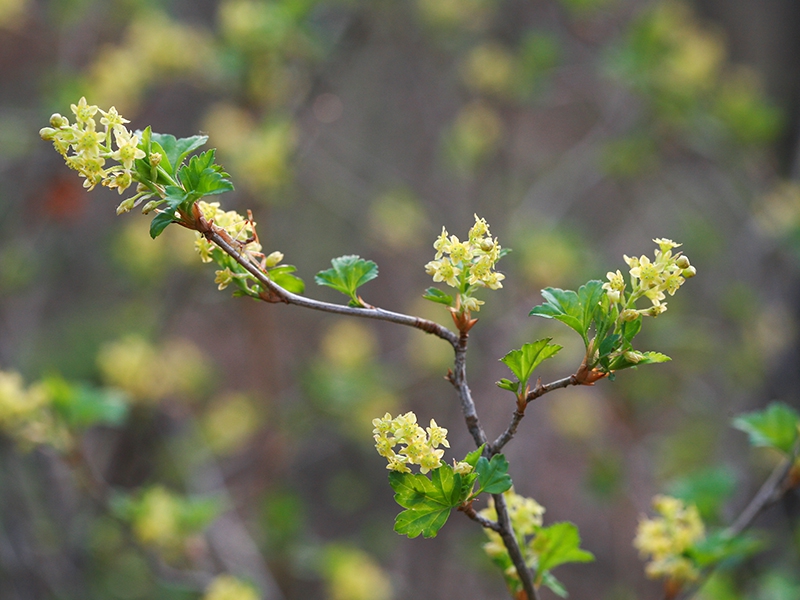
Ribes komarovii is a perennial plant distributed in Korea, China, Russia, and other regions. Growth Characteristics: - It grows to a height of approximately 1 to 2 meters. - The leaves are bright green and palm-shaped. The flowers bloom in spring and are small, yellow, or yellowish-green. - The fruit is black and ripens between summer and autumn. Propagation Methods: - Ribes komarovii is primarily propagated by seeds or cuttings. - For seed propagation, it is recommended to harvest the fruit in autumn, extract the seeds, refrigerate them during the winter, and plant them in the spring. - For cuttings, cut newly grown branches in the summer and plant them. Cultivation Methods: - It prefers sunny locations and thrives in well-drained soil. - Water consistently to prevent drying out, but avoid overwatering. - It is advisable to protect the plant from excessive cold during the winter. Uses in the Garden: - It is used as a landscape plant, and its fruit serves as food for small birds. - Its beautiful leaves and fruit make it a good choice for ornamental purposes. Important Pests and Control Methods: - Since leaf blight can cause lesions on the leaves and the fruit can be infected with fungi, maintain spacing between plants to ensure good ventilation and avoid direct watering of the leaves. - Pests include aphids and moths; regular insecticide use and preventive care are necessary. - In the event of pest infestation, it is important to remove the affected plants immediately upon early detection or to manage them using specialized pesticides. The Japanese Ribes is a plant that can be utilized in various useful ways in the garden. With proper care and attention, beautiful results can be achieved.
Plant Type
Plant Family
Saxifragaceae
Height
2.5m
Spread
Colors
green
Bloom Period
april
Water Needs
commonly
Exposure
Sunny
Freezing Resistance
-40°C
broad-leaved gooseberry
Ribes latifolium
blackcurrant
Ribes horridum