English
한국어
English
Español
中文
हिंदी
Home
News
Community
Dictionary
English
한국어
English
Español
中文
हिंदी
View list
Palma Christi
Ricinus communis
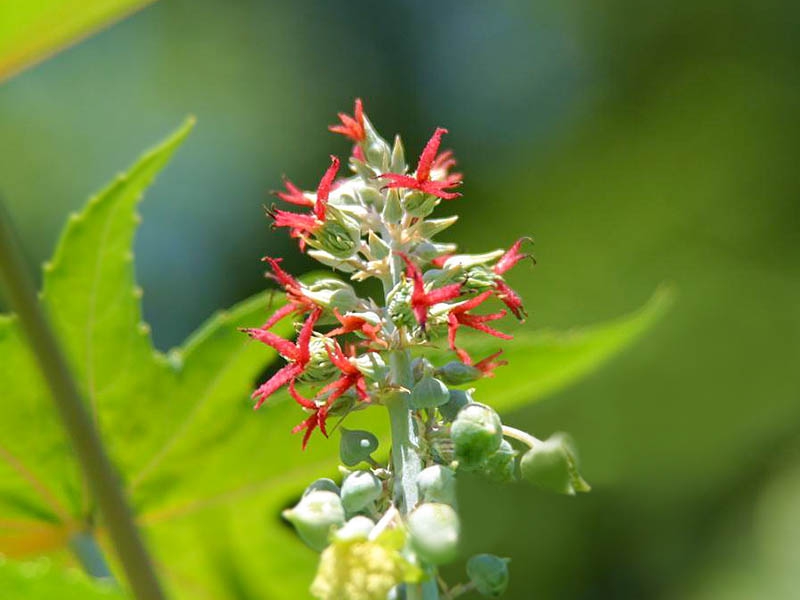
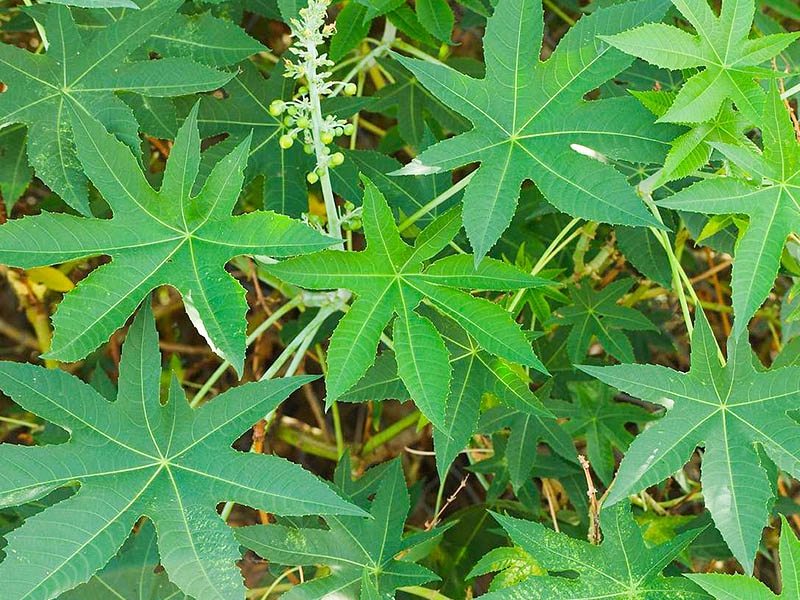
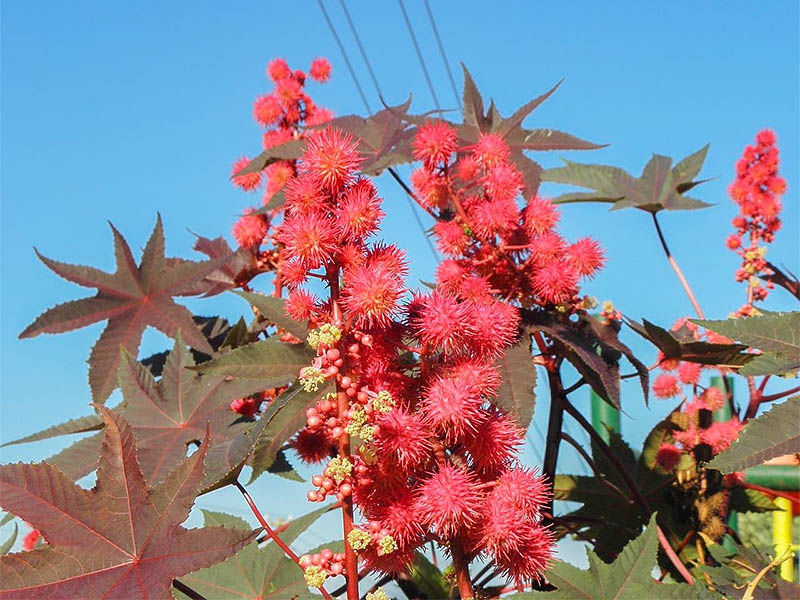
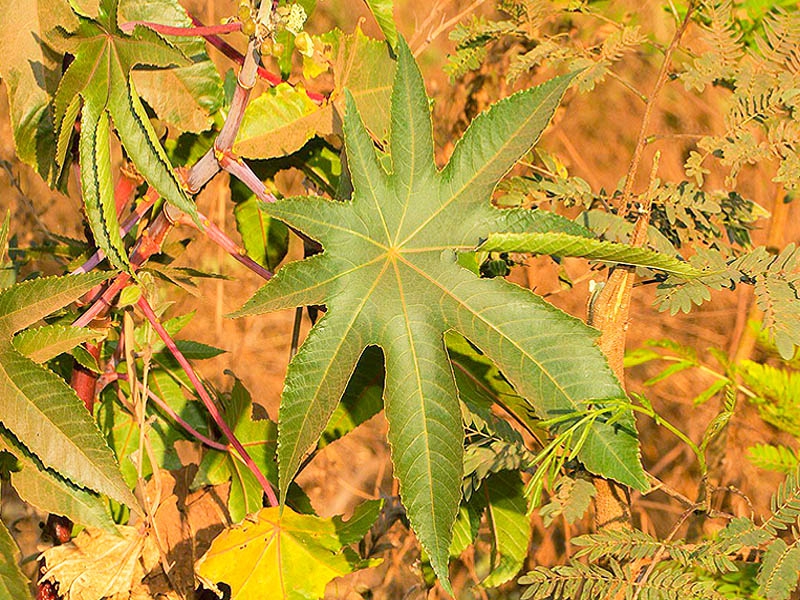
The castor oil plant (Ricinus communis) is a plant belonging to the Euphorbiaceae family and thrives primarily in warm climates. The following is information regarding the growth characteristics, propagation methods, cultivation methods, garden uses, and pests and control methods. - Growth Characteristics: - The castor oil plant is a perennial herbaceous plant that typically grows to 1 to 3 meters in height, but can reach up to 10 meters under suitable conditions. - The leaves are large, palm-shaped, and deeply lobed. Leaf colors vary from green to purple. - The flowers are small, less than 1 cm in diameter, and are unisexual, meaning both male and female flowers bloom on the same plant. - Propagation Methods: - Seed Propagation: Castor oil plants are usually propagated by seeds. They can be sown directly in the warm spring or germinated indoors before transplanting. - Seeds are collected from mature fruits and planted at a depth of about 1 to 2 cm. 3. Cultivation Methods: - Sunlight: Castor beans thrive in ample sunlight, but they can also grow in partial shade. - Soil: They prefer fertile, well-drained soil. A neutral to slightly alkaline pH is suitable. - Watering: They require sufficient watering initially, but tolerate relatively dry conditions well after maturation. - Fertilizer: Using general nitrogen fertilizers is recommended to promote growth. - Use in Gardens: - Castor beans are widely planted for ornamental purposes and are used as decorative elements in gardens or parks due to their large leaves and vibrant colors. - They are excellent for creating woodlands in areas lacking deciduous trees or as windbreak plants. - Major Pests and Control Methods: - While castor beans are relatively resistant to pests and diseases, they can be infected by powdery mildew and leaf blight. To prevent this, use appropriate chemical or organic pest control. - Pests such as aphids and mites may occur; eco-friendly insecticides can be used to control them. Caution: All parts of the castor plant are toxic, so care must be taken to keep children and pets out of reach of it.
Plant Type
Plant Family
Euphorbia
Height
2m
Spread
Colors
yellow, red
Bloom Period
August~September
Water Needs
commonly
Exposure
Sunny
Freezing Resistance
-5°C
Baby field round moss Huebeneriana
Riccia huebeneriana
Castor 'Carmencita'
Ricinus communis 'Carmencita'