English
한국어
English
Español
中文
हिंदी
Home
News
Community
Dictionary
English
한국어
English
Español
中文
हिंदी
View list
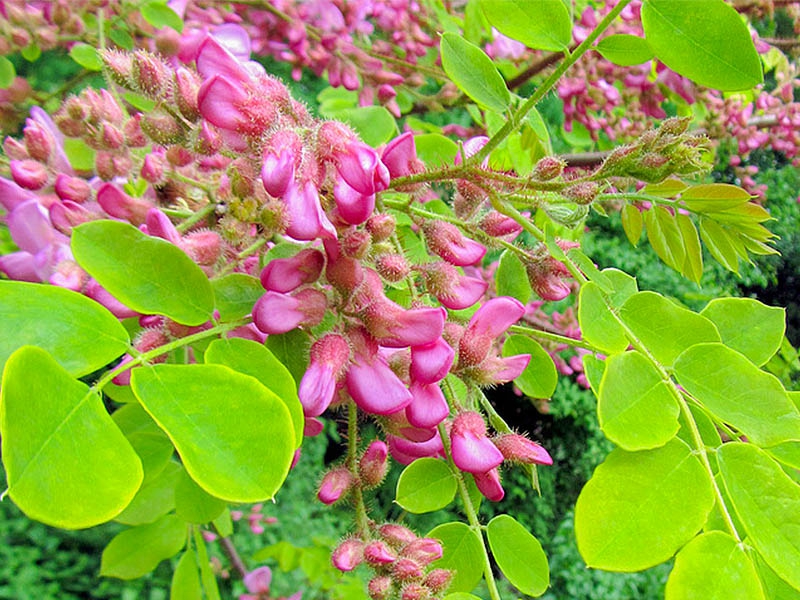
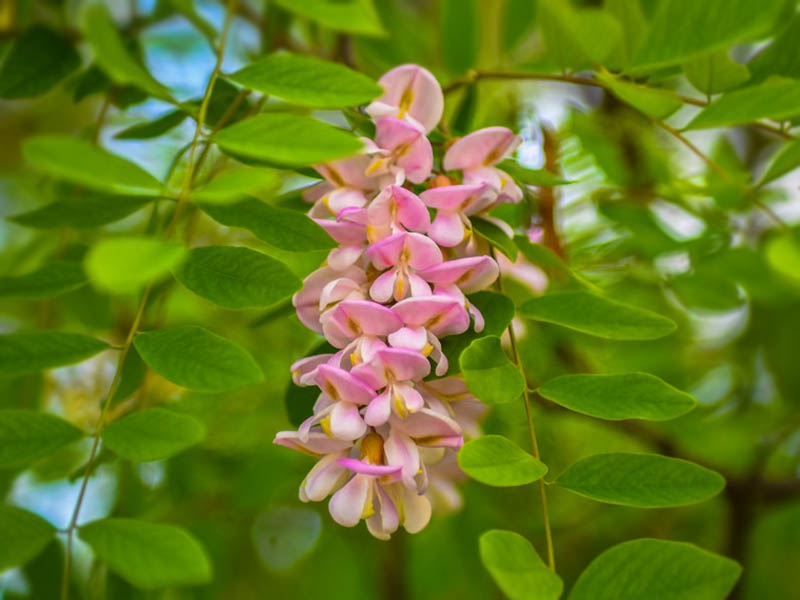
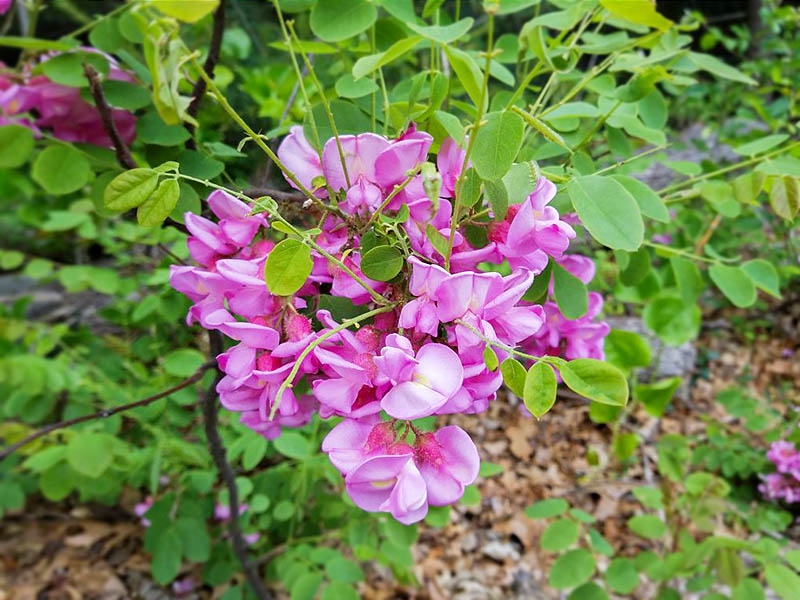
Flowering acacia
Robinia hispida
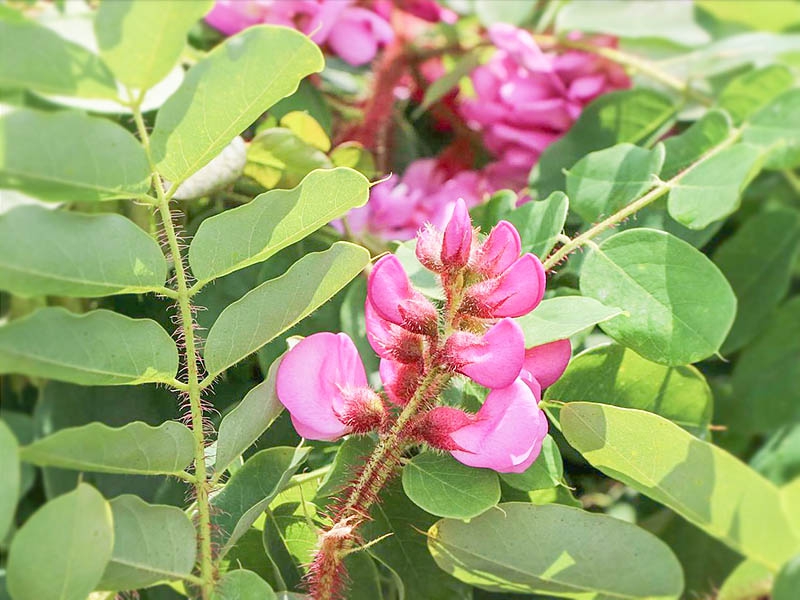
Black Locust (Robinia hispida) Growth Characteristics - Appearance: It grows to a height of approximately 1 to 3 meters and takes the form of a small shrub. The leaves are pinnately compound and are pale green. - Flowers: It mainly produces red or pink flowers from spring to early summer. The flowers bloom in clusters, either in a long conical shape or a spike-like form. - Environment: It thrives in sunny locations and grows optimally in soil with moderate moisture. It prefers well-drained soil. Propagation Methods - Seeds: Sow seeds directly in the spring, or collect them in the autumn, store them in the refrigerator, and sow them the following year. - Cuttings: Cuttings can be taken from tender branches in early summer. Rooting is promoted with sufficient water and in a semi-shaded environment. Cultivation Methods - Soil Preparation: Prepare well-draining soil using organic fertilizer. - Watering: Water thoroughly when first planted, but it naturally tolerates periods of dryness thereafter. - Fertilizer: Apply slow-release fertilizer during the growing season to aid growth. Uses in the Garden- Border Plant: Suitable as a border plant due to its low height. - Ornamental: Valuable for its beautiful flowers, it is primarily planted in gardens and parks. Important Pests and Control Methods- Diseases: Root rot is a common problem, which can be prevented through proper drainage management and soil disinfectants. - Pests: Leaf-eating beetles may occur; control them immediately using insecticides upon early detection. The Black Locust is a relatively easy plant to care for, and it can become a beautiful ornamental tree if you follow just a few basic guidelines.
Plant Type
Plant Family
legumes
Height
60~300cm
Spread
Colors
pink
Bloom Period
May~June
Water Needs
commonly
Exposure
semi-shaded area
Freezing Resistance
-30°C
acacia tree
Robinia pseudoacacia
bald acacia
Robinia pseudoacacia var. umbraculifera