English
한국어
English
Español
中文
हिंदी
Home
News
Community
Dictionary
English
한국어
English
Español
中文
हिंदी
View list
Rose of Sharon
Rosa rugosa
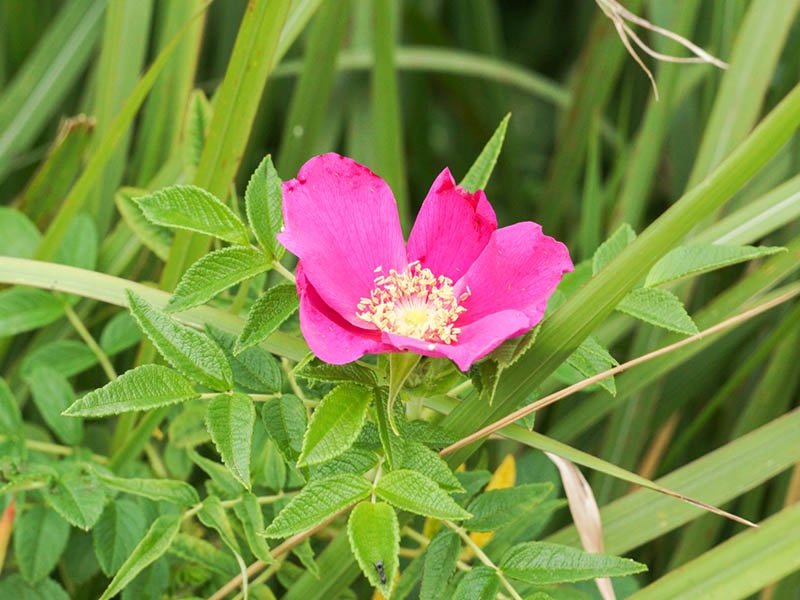
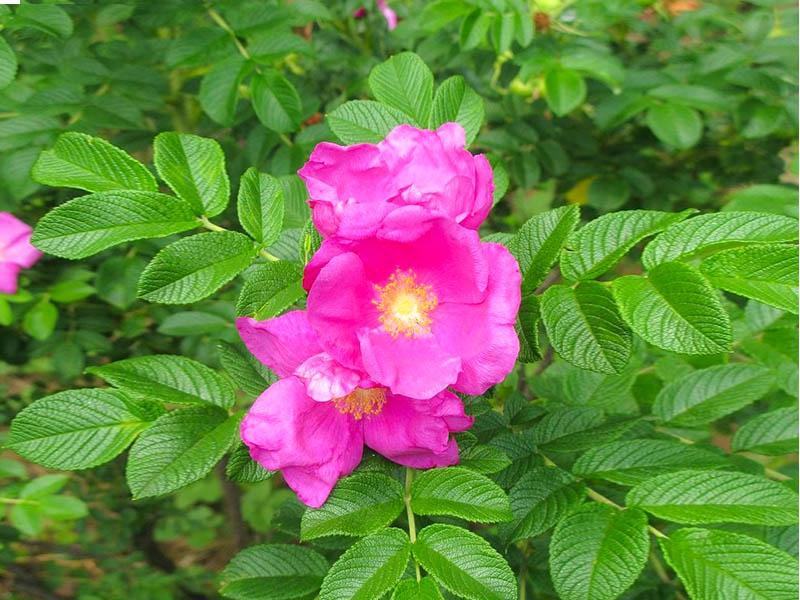
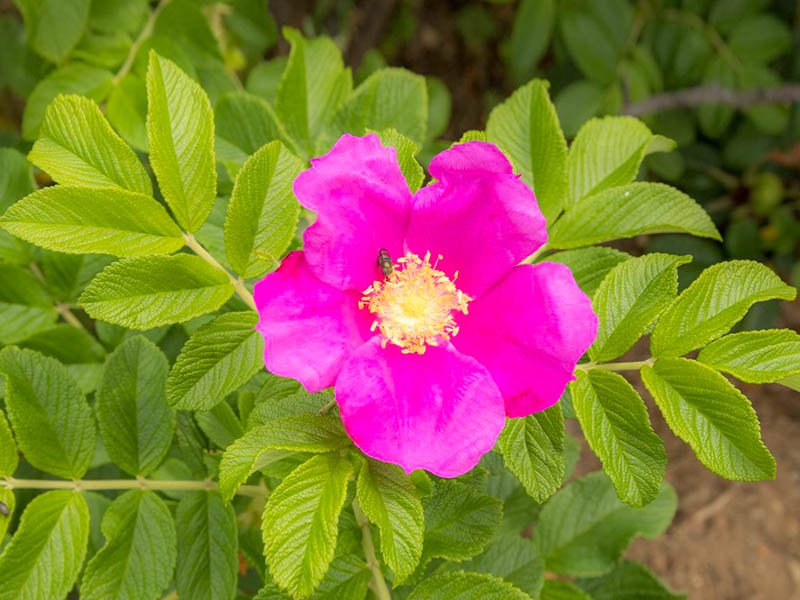
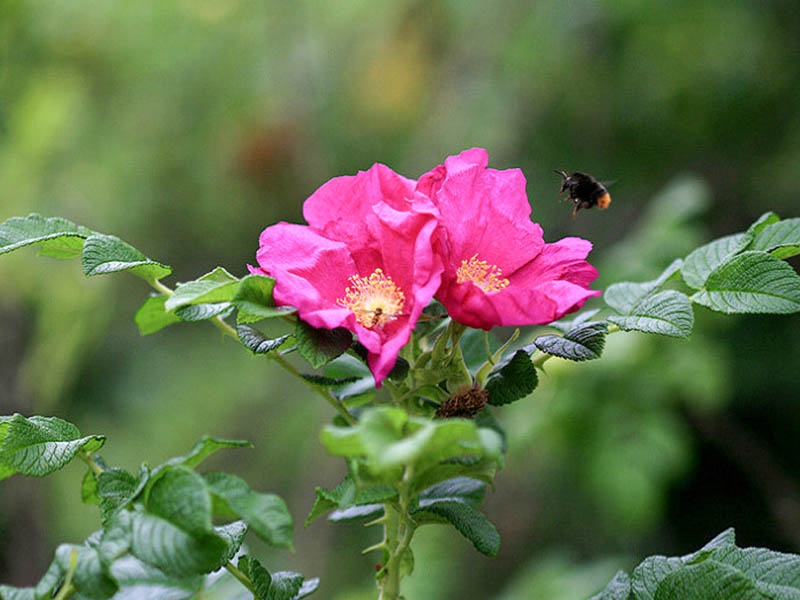
Rosa rugosa is a plant frequently seen in gardens due to its various attractive growth characteristics and care tips. The following is information on the characteristics, cultivation methods, and pest control for Rosa rugosa. Growth Characteristics - Form: It is a deciduous shrub that typically grows to a height of 1 to 1.5 meters. The leaves are alternate, deeply gnarled, and have short thorns. - Flowers: It usually blooms between May and September, producing fragrant pink or white flowers. - Fruit: The round, red fruit is edible. - Environmental Adaptability: It thrives even in saline soils like those found near the seaside and is resistant to cold and drought. Propagation Methods - Seed Propagation: Propagation by seeds is possible, but germination takes a certain amount of time. Stratifying the seeds in a refrigerator for three months before planting increases the germination rate. 2. Cuttings: It can be propagated by cutting leafy stems between June and August to a suitable length. - Division: In spring or autumn, separate stems from the mother plant and replant them. Cultivation Methods - Soil: It prefers well-drained soil and should maintain a pH of neutral to slightly acidic. - Location: Planting in a sunny location is ideal. - Watering: Avoid overwatering, and water thoroughly when dry. - Fertilizer: It is best to fertilize during the growing season, and organic fertilizers are recommended. Uses in the Garden - Boundary Plant: With its distinct outline and high reproductive capacity, it serves as a boundary or fence. - Ornamental: It is widely used as an ornamental plant due to its beautiful flowers and fragrance. Important Pests and Control Methods - Diseases: Powdery mildew and leaf blight may occur. - Pest Control: Diseases can be prevented through periodic ventilation improvement and watering management; however, appropriate pesticides are required if disease occurs. - Pests: Aphids and spiderweb beetles commonly occur. - Pest Control: If pests appear, remove them immediately or use organic insecticides. With proper care and pest control methods, the Japanese quince (Rosa rugosa) will contribute significantly to creating a beautiful garden environment.
Plant Type
Plant Family
Rosaceae
Height
1.5m
Spread
Colors
red
Bloom Period
May to July
Water Needs
commonly
Exposure
semi-shaded area
Freezing Resistance
-30°C
thorny bush
Rosa lucieae
climbing rose
Rosa multiflora var. platyphylla