English
한국어
English
Español
中文
हिंदी
Home
News
Community
Dictionary
English
한국어
English
Español
中文
हिंदी
View list
Wild rose
Rosa multiflora
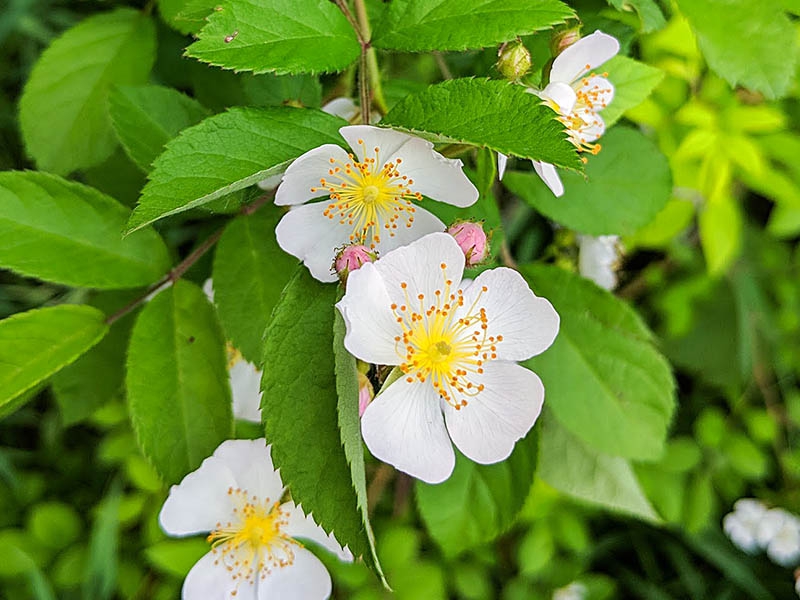
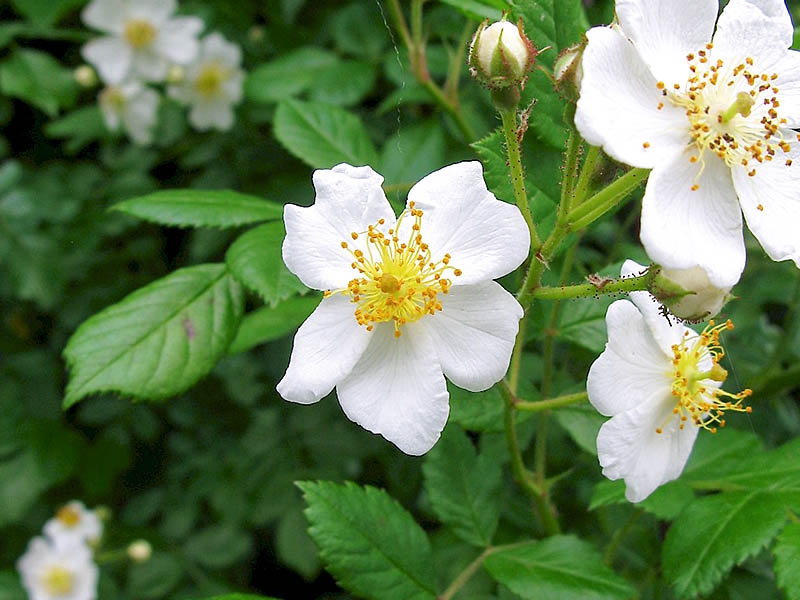
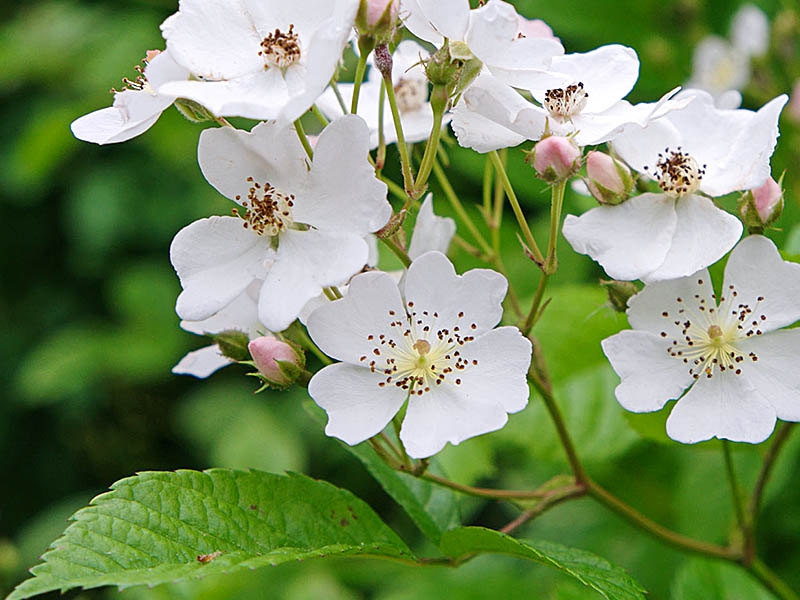
The wild rose, or Rosa multiflora, is a perennial shrub belonging to the Rosaceae family and is native primarily to East Asia. The following describes the growth characteristics, propagation methods, cultivation methods, garden uses, major pests and diseases, and control methods of the wild rose. Growth Characteristics - Environment: The wild rose thrives in sunny locations and prefers well-drained soil. While it grows well in partially shaded areas, it blooms more effectively when exposed to sufficient sunlight. - Cold Hardiness: It is relatively resistant to cold and grows well even in temperate climates. - Growth: It propagates rapidly and can grow into a climbing shrub. Without proper care, there is a possibility of it spreading. Propagation Methods - Seed Propagation: In its natural state, it propagates by seeds, but the propagation rate is slow. When using seeds, they must be chilled beforehand to increase germination rates. - Cuttings: It is more effective to propagate by cutting healthy stems in late spring or early summer. - Grafting: Wild roses can also be grown by grafting them onto rose varieties. Cultivation Methods - Soil Preparation: Use well-draining soil and add organic matter as needed to improve soil fertility. - Watering: Regular watering is required until the roots are established; afterward, the plant is relatively drought-tolerant. - Pruning: Regular pruning is necessary to promote healthy growth. Prune in late winter or early spring. Uses in the Garden - Border Planting: Due to its vining nature, it is suitable for planting along garden borders or fences. - Ground Cover: It propagates rapidly and can serve as a ground cover. Important Pests and Control Methods - Diseases: Caution is required regarding fungal and viral diseases. To prevent this, maintain adequate spacing between plants to ensure good ventilation. - Pests: It can be infested by pests such as aphids. Biological control using natural enemies or early removal with soapy water is effective. - Control: Prevention is crucial; you must detect early symptoms through periodic plant observation and take preventive measures. The wild rose is an easy-to-care-for plant that adds beauty, and it can be grown even healthier through proper care and prevention.
Plant Type
Plant Family
Rosaceae
Height
1~2m
Spread
Colors
white
Bloom Period
May~June
Water Needs
commonly
Exposure
Sunny
Freezing Resistance
-30°C
climbing rose
Rosa multiflora var. platyphylla
Dragon's-eye tree
Rosa maximowicziana