English
한국어
English
Español
中文
हिंदी
Home
News
Community
Dictionary
English
한국어
English
Español
中文
हिंदी
View list
Minsaengyeolgwi tree
Rosa silendiflora
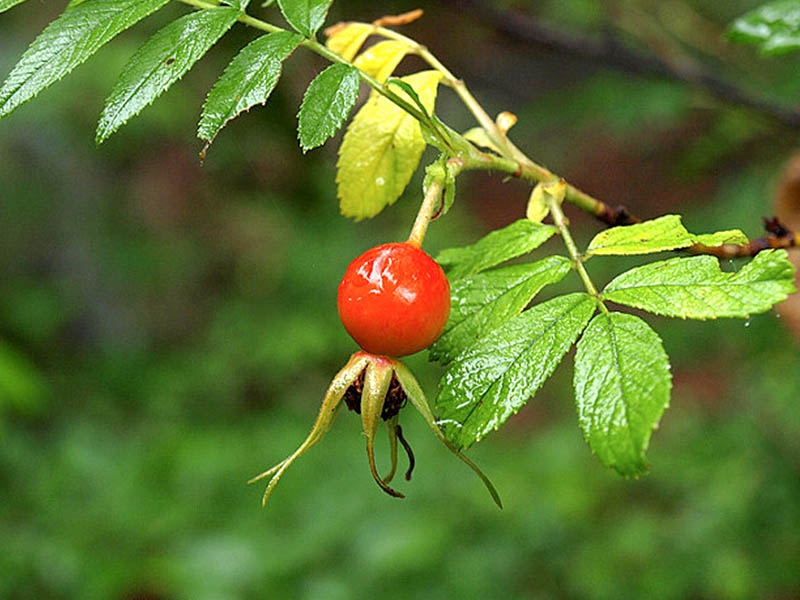
I will explain the growth characteristics, propagation methods, cultivation methods, garden uses, and major pests and diseases and control methods of Rosa silendiflora. Growth Characteristics Rosa silendiflora is generally short in stature with many branches, and its leaves are small and densely packed. Flowers bloom from spring to early summer and feature bright colors and a unique fragrance. It thrives in well-drained soil and prefers partial shade or full sun locations. Propagation Methods Rosa silendiflora is primarily propagated by cuttings or seeds. For cuttings, use newly grown branches cut in spring or early summer; using rooting hormone can further promote root formation. For seed propagation, it is recommended to sow fresh seeds in the autumn. Cultivation Methods - Soil: It is important to cultivate it in well-drained soil. Soil quality can be improved by adding organic matter as needed. 2. Watering: Water when the surface of the soil dries out, but avoid overwatering. - Sunlight: It thrives in partial shade or full sun. - Pruning: Pruning after the flowers have faded promotes healthy growth. Uses in the Garden Thanks to its unique appearance and fragrance, Rosa silendiflora is suitable as a border plant or centerpiece for the garden. It can also be planted alongside other shrubs or herbaceous plants to add variety to the garden. Important Pests and Control Methods - Diseases: Powdery mildew and black spot disease are common. To prevent this, maintain adequate spacing between plants for ventilation and use appropriate pesticides if necessary. - Pests: Small pests such as aphids may occur. In the early stages, they can be washed off with water or natural pesticides can be used. Growing Rosa silendiflora in your garden will be a special experience that delights the eyes and nose with its unique appearance and fragrance.
Plant Type
Plant Family
Rosaceae
Height
1.5m
Spread
Colors
red
Bloom Period
June
Water Needs
commonly
Exposure
Sunny
Freezing Resistance
-15°C
Daecheong thorn tree
Rosa taisensis
Red honeysuckle
Rosa davurica var. rubro-stipulata