English
한국어
English
Español
中文
हिंदी
Home
News
Community
Dictionary
English
한국어
English
Español
中文
हिंदी
View list
King rose
Rosa laevigata
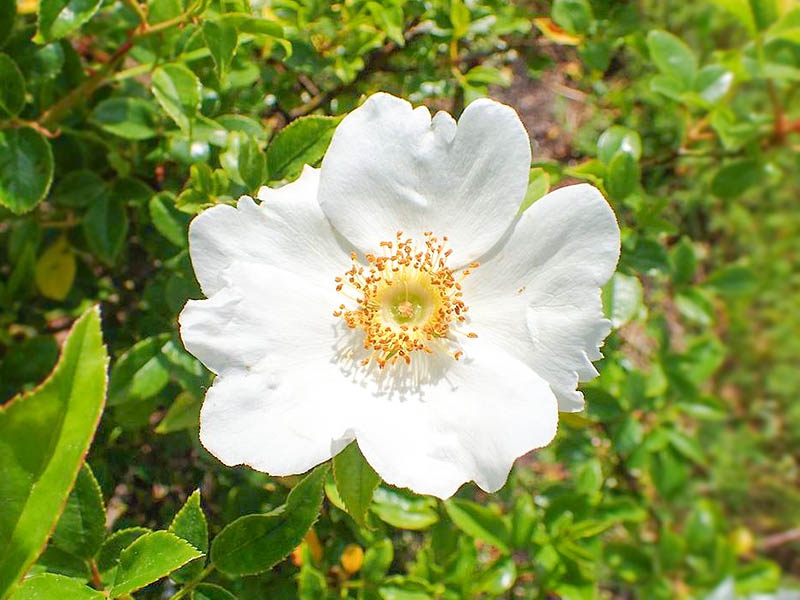
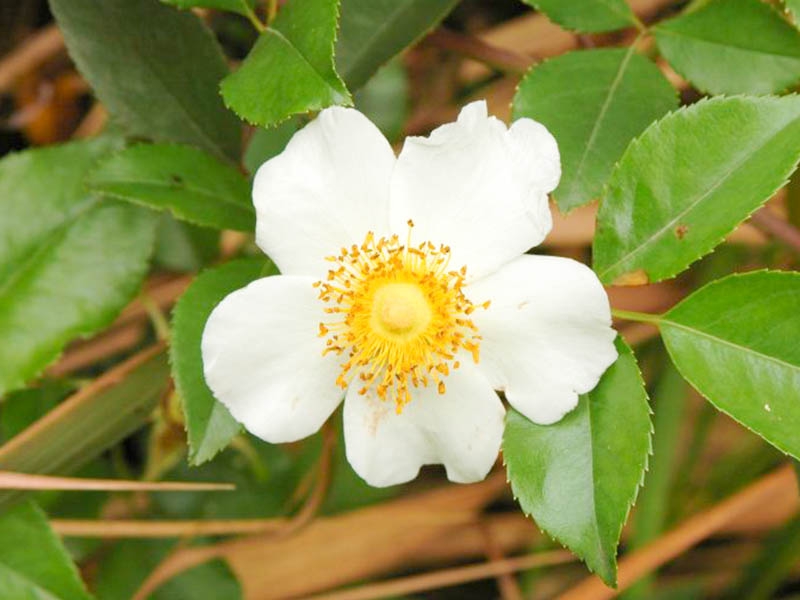
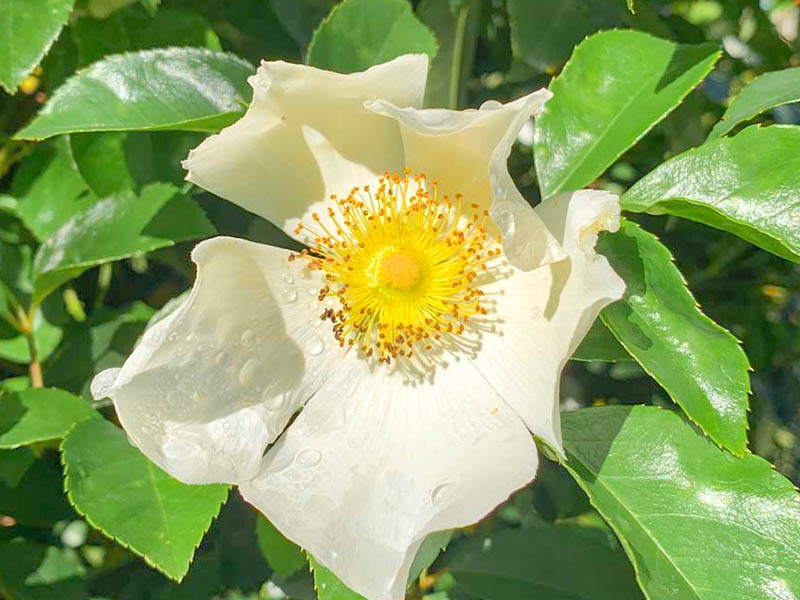
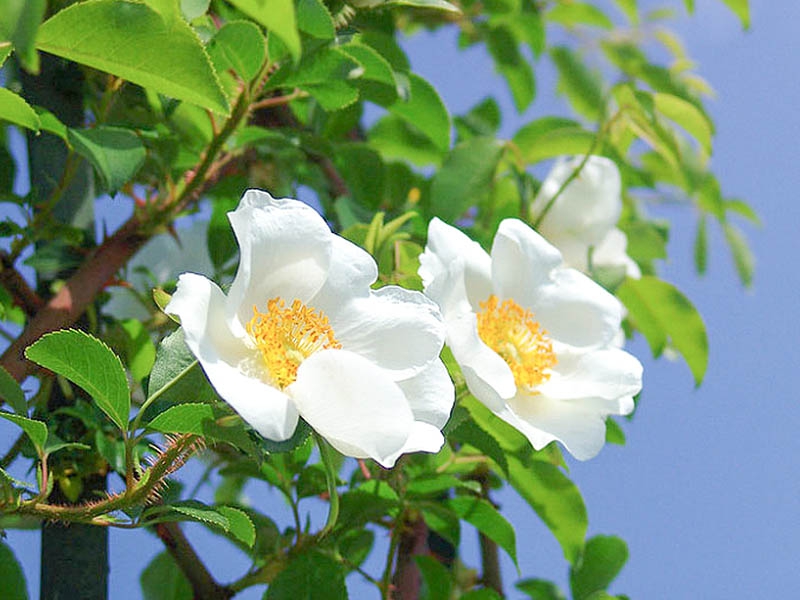
I will explain the growth characteristics, propagation methods, cultivation methods, garden uses, major pests and diseases, and control methods for Rosa laevigata. Growth CharacteristicsRosa laevigata is an evergreen climbing rose with thick, glossy leaves. It thrives primarily in warm climates and grows healthily in locations with plenty of sunlight. The flowers are usually white, and the petals are soft. Propagation MethodsThis plant is mainly propagated by cuttings or seeds. For cuttings, healthy branches are cut and planted to take root. Propagation by seeds takes a little longer, but it is a method that allows for a large number of plants. Cultivation MethodsIt grows well in well-drained soil and prefers fertile soil. Since it is a climbing plant, it is beneficial to provide support stakes. Water thoroughly, but avoid allowing water to pool excessively. Regular pruning helps shape the plant and promotes healthy growth. Use in the Garden In the garden, it is suitable for planting along fences or walls to grow as a vine. It is relatively easy to care for, and its beautiful flowers add a visual appeal. Major Pests and Control Methods Major pests and diseases affecting the large wild rose include aphids and rose gall midges. To control these, natural methods such as sticky traps and insect repellents can be used. As for diseases, fungal diseases or black spot may occur; to prevent these, ensure good ventilation and use appropriate fungicides if necessary. We hope this information is helpful!
Plant Type
Plant Family
Rosaceae
Height
1~6m
Spread
Colors
white
Bloom Period
June–July
Water Needs
commonly
Exposure
Sunny
Freezing Resistance
-15°C
Red honeysuckle
Rosa davurica var. rubro-stipulata
Border rose
Rosa jaluana