English
한국어
English
Español
中文
हिंदी
Home
News
Community
Dictionary
English
한국어
English
Español
中文
हिंदी
View list
Chinese rose
Rosa chinensis
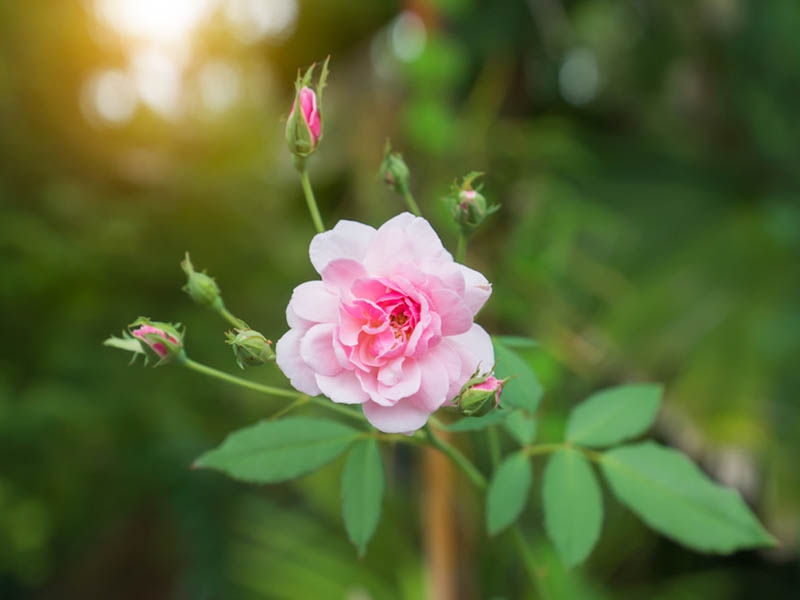
Rosa chinensis is one of the most widely cultivated ornamental plants. The following information covers its growth characteristics, propagation methods, cultivation techniques, garden uses, and major pests and diseases, as well as control methods. Growth Characteristics - Growing Environment: Rosa chinensis thrives best in environments with plenty of sunlight and good ventilation. It requires well-drained soil, and neutral to slightly acidic soil (pH 6.0–6.5) is suitable. - Growing Temperature: The optimal growing temperature is 15–25 degrees Celsius. While it is quite cold-hardy, it is advisable to take protective measures against the cold during the winter. - Watering: Be careful not to overwater; it is best to water when the soil is slightly dry. Watering should be done frequently during the summer, but it is recommended to reduce the frequency of watering during the winter. Propagation Methods - Cuttings: It can be propagated by cutting healthy branches in spring or autumn. - Grafting: Grafting is also used to maintain the characteristics of the variety. - Seeds: Propagation by seeds takes a relatively long time, and variety characteristics may change. Cultivation Methods - Planting: It is recommended to plant in late winter to early spring or in the autumn. - Fertilizing: During the growing season, use a fertilizer containing a balanced mix of nitrogen, phosphorus, and potassium to topsoil about once a month, or apply liquid fertilizer mixed with water. - Pruning: During the winter dormancy period, prune to shape the plant and remove unnecessary or diseased branches. Uses in Gardens - Laurel flowers bloom in various colors, making them widely used for landscaping in gardens, parks, and terraces. Additionally, due to their pleasant fragrance, they are frequently used for indoor decoration, such as in tea or flower arrangements. Important Pests and Diseases & Control Methods - Diseases: Powdery mildew, black spot, and sclerotinia rot may occur. To prevent this, ensure good ventilation, avoid dense planting, and remove diseased leaves or branches immediately upon discovery. - Pests: Aphids, spider mites, and stink bugs may occur. Prevention involves the periodic use of fungicides and insecticides, and physical removal is also helpful. To grow laurels healthily, it is important to understand these characteristics and methods well and manage them appropriately.
Plant Type
Plant Family
Rosaceae
Height
1.5∼3m
Spread
Colors
red, purple, pink
Bloom Period
May to November
Water Needs
commonly
Exposure
Sunny
Freezing Resistance
-15°C
Border rose
Rosa jaluana
Mokhyang rose
Rosa banksiae