English
한국어
English
Español
中文
हिंदी
Home
News
Community
Dictionary
English
한국어
English
Español
中文
हिंदी
View list
Rose Virginiana
Rosa virginiana
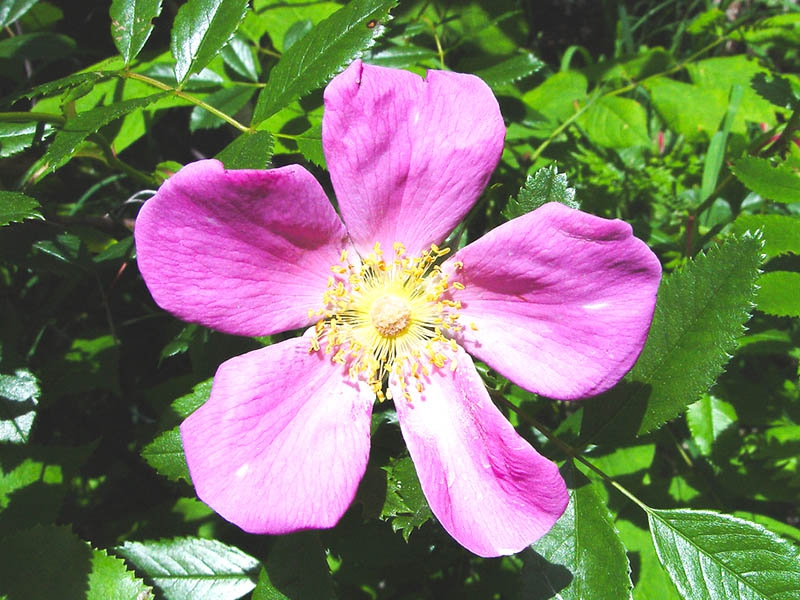
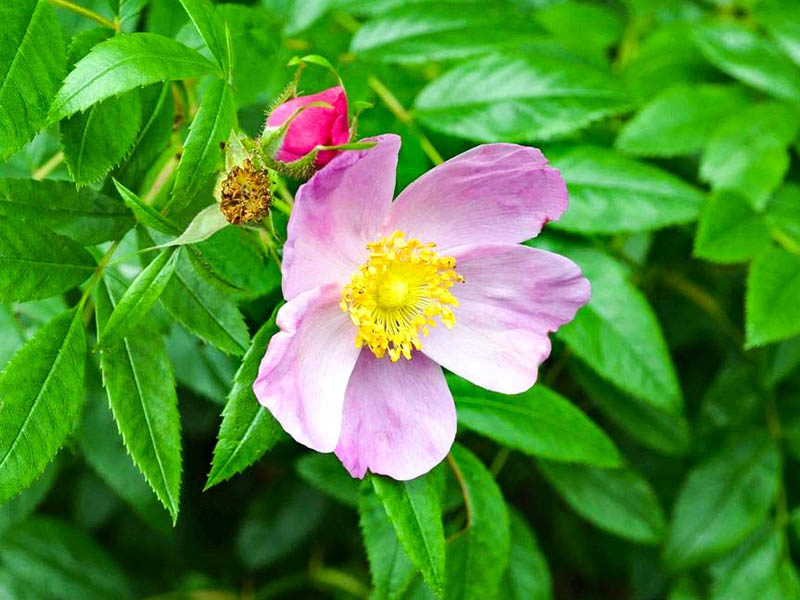
Rose Virginiana (Rosa virginiana) is a wild rose native to North America. It possesses the following characteristics regarding growth, propagation, cultivation, garden uses, and major pests and diseases, as well as control methods. Growth Characteristics - The Virginia rose is a deciduous shrub that grows to a height of 1.5 to 2 meters. - The leaves are alternate and arranged in pairs; they are dark green and turn red in the autumn. - Pink flowers bloom in the summer and are fragrant. - After the flowers fade, red berries (rose hips) develop, which are also suitable for ornamental purposes throughout the autumn and winter. Propagation Methods - Seed propagation: Seeds should be planted in the ground in the autumn, as they require a cold winter for successful germination. - Cuttings: New branches can be cut and propagated during the summer. - Root division: It is also possible to divide and plant the roots of mature plants in the spring or autumn. Root Virginiana Cultivation Methods - It thrives in sunny locations and prefers well-drained soil. - It is resistant to drought, but maintaining moderate moisture is recommended. - It is relatively cold-resistant, so special winter protection is not necessary. - Pruning in early spring is required to shape the plant. Garden Uses - It creates a natural landscape, making it suitable for wild gardens or nature gardens. - It is also excellent for ornamental purposes due to its fragrant flowers and colorful fruit. - It can be used as a hedge or boundary plant. Important Pests and Control Methods - Powdery Mildew: White mold may appear on the leaves. To prevent this, plant in a well-ventilated area and use pesticides if necessary. - Black Spot Disease: Black spots appear on the leaves. Remove infected leaves and use an appropriate fungicide. - Aphids: Aphids may appear on leaves and new shoots. Control them using soapy water or appropriate insecticides. - For healthy growth, it is important to boost the plant's immunity through regular pruning, cleaning, watering, and fertilizing. By considering these characteristics and care methods, you can grow Virginiana roses healthily and utilize them for various purposes.
Plant Type
Plant Family
Rosaceae
Height
1.2~1.8m
Spread
180~240cm
Colors
purple, pink
Bloom Period
June to August
Water Needs
commonly
Exposure
Sunny
Freezing Resistance
-30°C
Rose Uzushi
Rosa woodsii
Rose Sweet Drift
Rosa Sweet Drift