English
한국어
English
Español
中文
हिंदी
Home
News
Community
Dictionary
English
한국어
English
Español
中文
हिंदी
View list
Rose Palustris
Rosa palustris
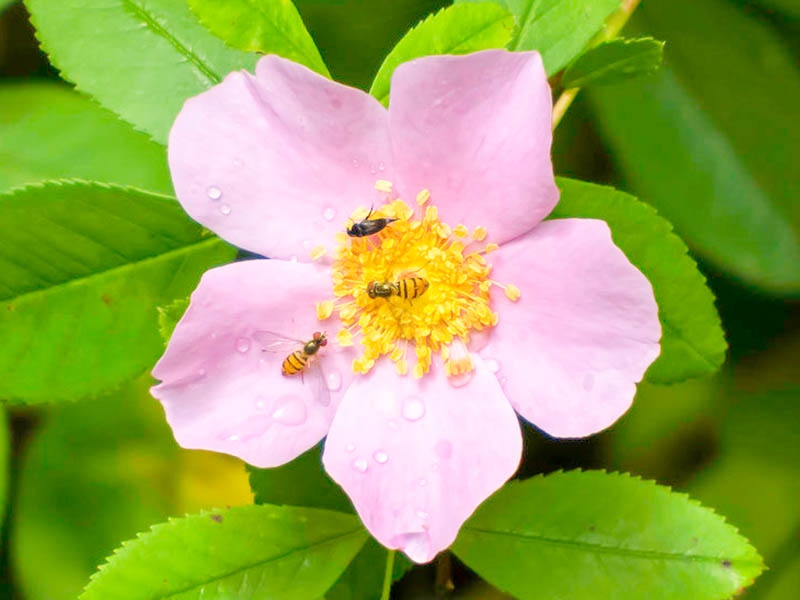
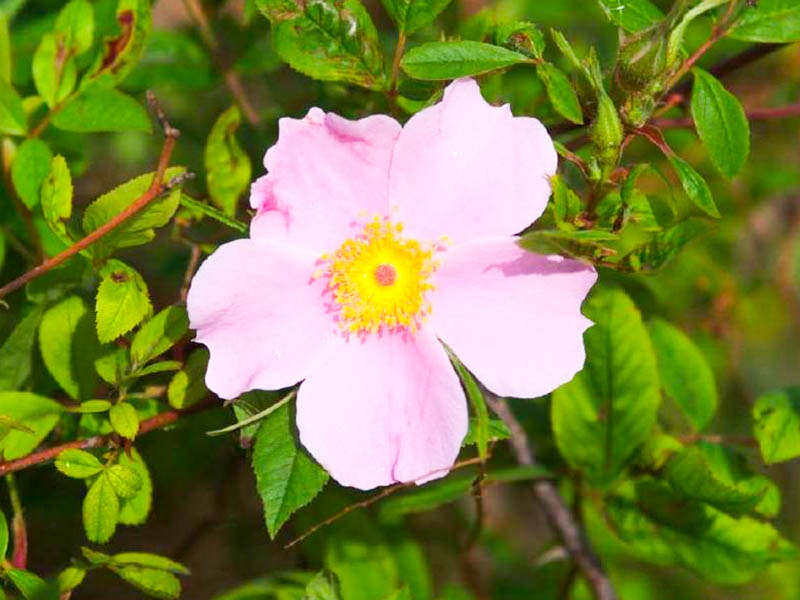
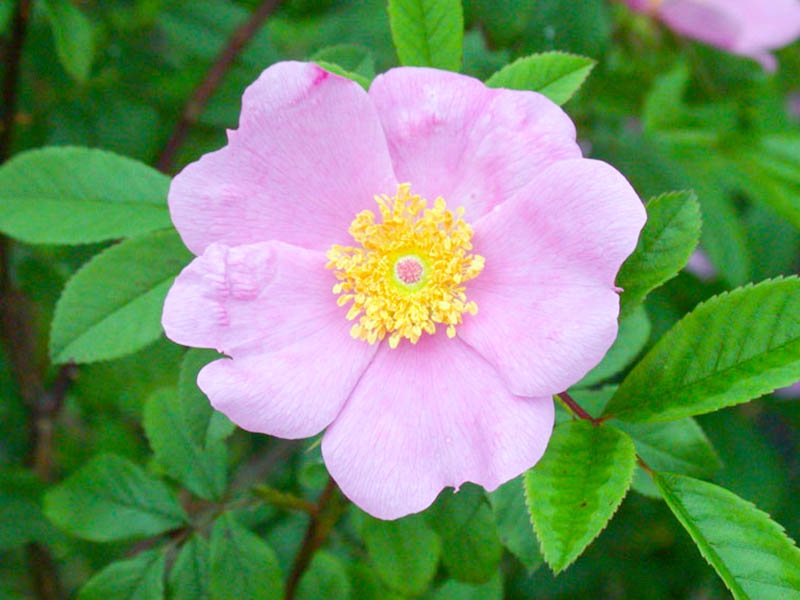
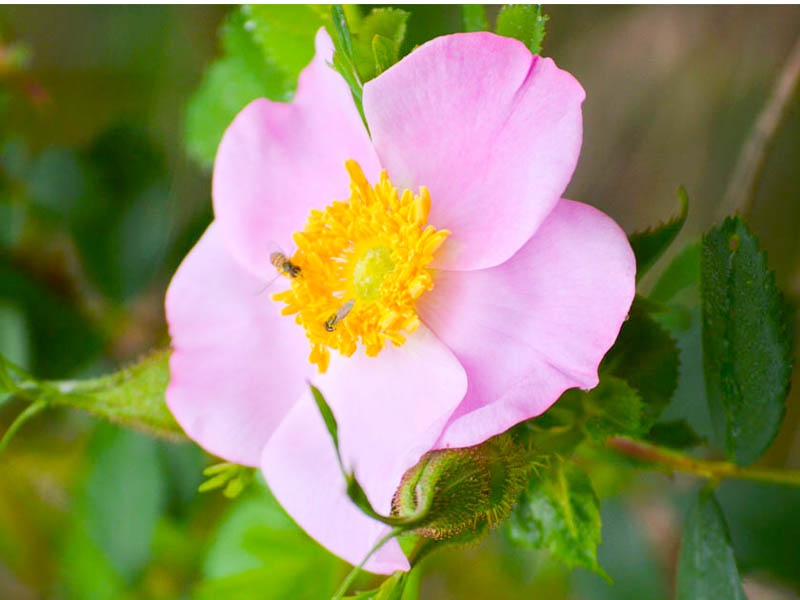
Rosa palustris is a wetland rose that is uncommon in Korea and primarily grows in wetlands or moist grasslands in North America. The following outlines the main growth characteristics, propagation methods, cultivation techniques, garden uses, and major pests and diseases and control methods for Rosa palustris. Growth Characteristics - Environment: It prefers moist soil and sunny locations. While it is resistant to excessive moisture, it may not thrive in overly dry environments. - Size: It typically grows to a height of 1.5m to 3m. - Leaves: They are alternate and pinnately compound, generally consisting of 5 to 9 leaflets. - Flowers: Pink flowers bloom in the summer, with a diameter of approximately 5cm. - Fruit: Red rose berries form in the autumn. Propagation Methods - Seed Propagation: Rosa palustris can be propagated by seeds. It is best to collect seeds in the autumn, store them during the winter, and sow them in the spring. - Propagation by Cuttings: It can also be propagated using green cuttings during the summer. The success rate is particularly high when cutting and planting newly grown branches. Cultivation Method - Soil: It prefers soil with high humidity. Soil that drains well yet retains moisture is suitable. - Watering: Maintain consistent soil moisture. Water thoroughly, especially during dry periods. - Fertilizer: In the spring, you can apply a fertilizer containing an appropriate combination of nitrogen, phosphorus, and potassium. Uses in the Garden - Landscaping: It is excellent as an ornamental plant in the garden thanks to its showy pink flowers and red berries. It looks particularly good when planted in high-humidity areas. - Ecological Restoration: It is used for protection and restoration purposes in wetland restoration projects or ecological gardens. Important Pests and Control Methods - Pests and Diseases: Rose palustris can contract diseases such as powdery mildew and rose rust, and pests such as aphids and rose beetles may infest the plant. - Control Methods: - Powdery Mildew: Prevent this by using an appropriate fungicide periodically. Pruning ensures good ventilation to avoid overcrowding. - Aphids: Pests can be physically removed using soapy water or refined oil. In severe cases, use insecticides specifically designed for pests. - Nutrient Management: Manage the plants to prevent stress through proper fertilization and watering. Based on this information, you can effectively cultivate and manage Rose Palustris.
Plant Type
Plant Family
Rosaceae
Height
90~180cm
Spread
90~180cm
Colors
pink
Bloom Period
May to July
Water Needs
commonly
Exposure
Sunny
Freezing Resistance
-30°C
Rose Peach Drift
Rosa Peach Drift
Rose Nitida
Rosa nitida