English
한국어
English
Español
中文
हिंदी
Home
News
Community
Dictionary
English
한국어
English
Español
中文
हिंदी
View list
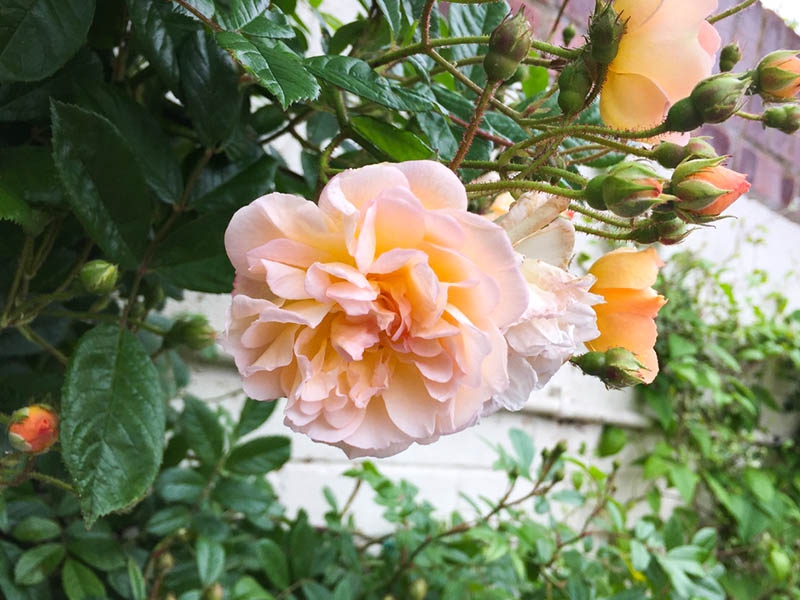
Rose 'Ghislaine de Peligonda'
Rosa hybri
'Ghislaine de Feligonde'
The rose 'Ghislaine de Peligonde' is a beautiful yet relatively easy-to-care-for variety that is popular among many gardeners. Below is information regarding this variety's main growth characteristics, propagation methods, cultivation techniques, garden uses, and major pests and diseases and control methods. Growth Characteristics - Plant Form: This rose is a shrubby rose that grows in the form of small vines. It can grow up to approximately 2 to 3 meters in height. - Flowers: It produces flowers in various shades, including cream, pink, and yellow, with a sweet and soft fragrance. - Leaves: It has green leaves, similar to a typical rose. - Flowering Season: It blooms continuously for an extended period, mainly from summer to autumn. Propagation Methods - Cuttings: Propagation by cuttings is common and has a high success rate. - Grafting: It can also be propagated through grafting and is used specifically to produce higher quality flowers. Cultivation Methods - Soil: It grows best in well-drained, fertile soil. A pH range of neutral to slightly acidic is suitable. - Sunlight: It thrives in locations with ample sunlight and requires at least 6 hours of direct sunlight per day. - Watering: Water until the roots are moist, but avoid overwatering. - Fertilizer: Fertilize monthly during the growing season to promote healthy growth. Garden Uses - Border Planting: It is excellent for planting along fences or boundaries. - Ornamental: It can be encouraged to climb arches or pergolas to create dramatic decorative effects. - Containers: It can also be planted in large pots for decorating terraces or verandas. Important Pests and Control Methods - Powdery Mildew: A disease where the leaves become covered in white powder. To prevent this, maintain a well-ventilated environment and use appropriate pesticides. - Black Spot: A disease that causes black spots on the leaves. Remove infected leaves and spray pesticides to prevent it. - Aphids: Aphids that gnaw on grass or leaves can be controlled using soapy water or insecticides. This rose can be found in many gardens due to its ease of care and beauty, and under proper care, you can enjoy its beautiful flowers for a long time.
Plant Type
Plant Family
Rosaceae
Height
1.8~3m
Spread
1.8~3m
Colors
yellow, white
Bloom Period
June to August
Water Needs
commonly
Exposure
Sunny
Freezing Resistance
-20°C
Rose Ketchup & Mustard
Rosa Ketchup & Mustard®
Rose 'Full Sale'
Rosa hybrid 'Full Sail'