English
한국어
English
Español
中文
हिंदी
Home
News
Community
Dictionary
English
한국어
English
Español
中文
हिंदी
View list
Wild sedge
Vulpia bromoides
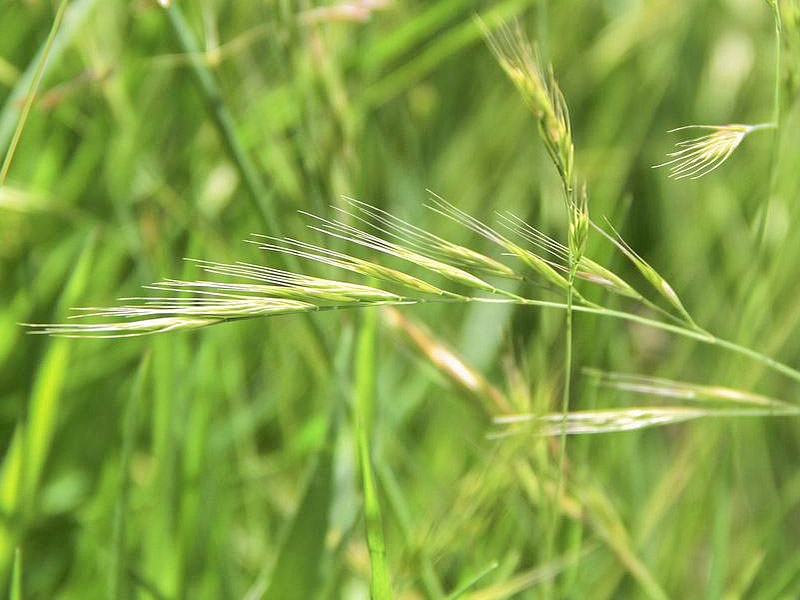
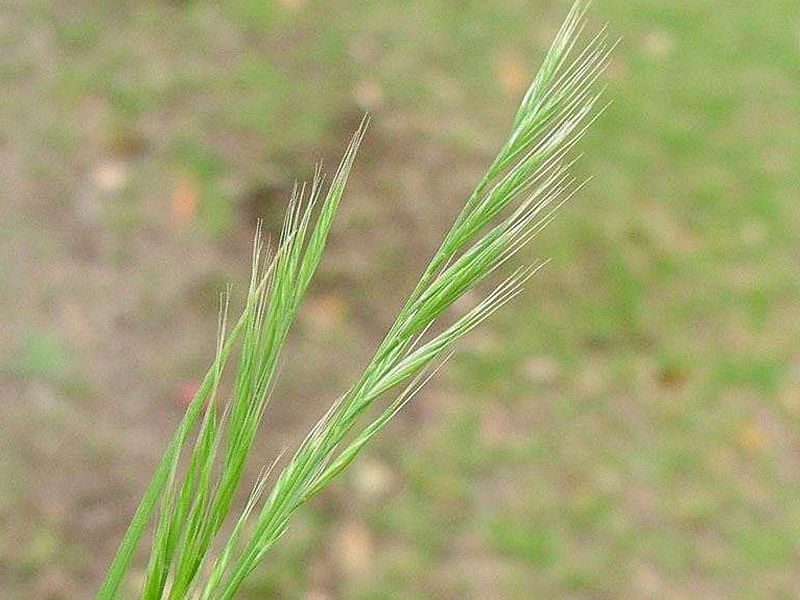
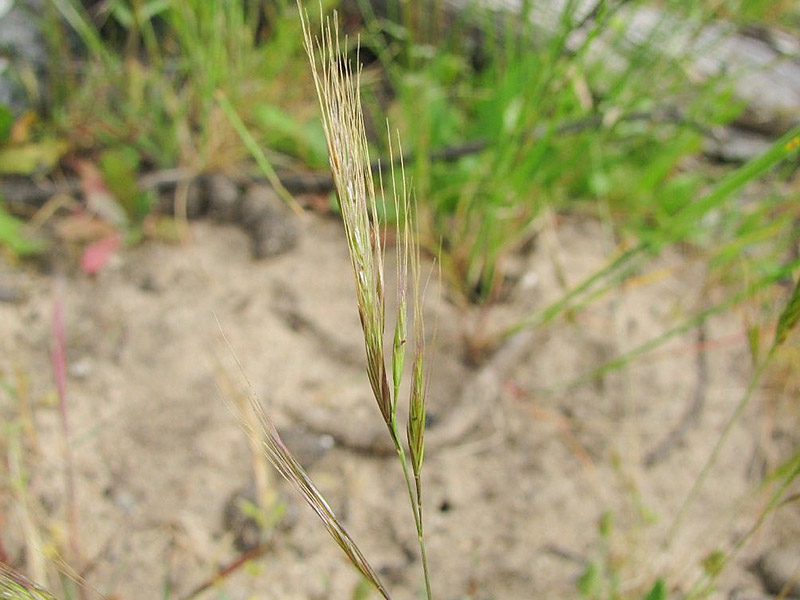
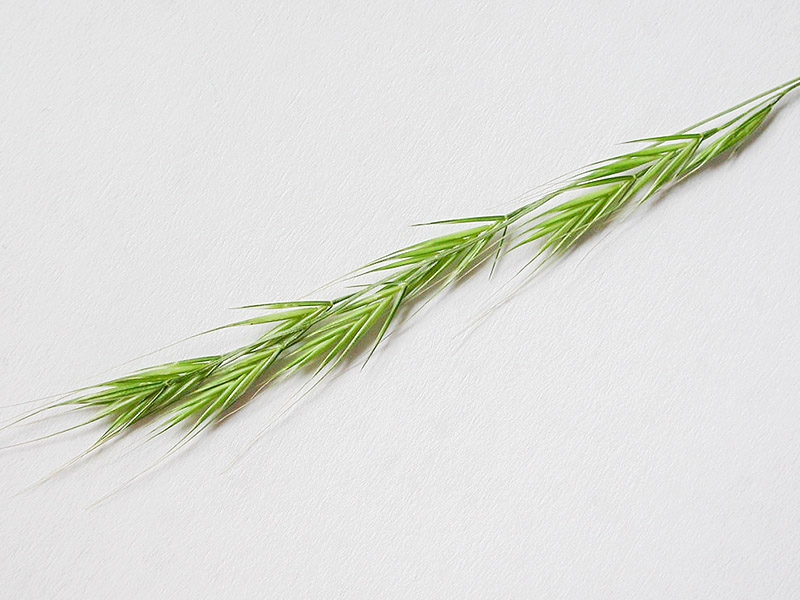
Vulpia bromoides is an annual herb native primarily to temperate regions, thriving in dry, sunny locations. Growth Characteristics Vulpia bromoides can grow to a height of approximately 30 to 70 cm and possesses long, slender leaves. The leaves are mostly bright green, and the flowers bloom in small spike-like clusters. These flowers typically begin blooming from spring to early summer. Propagation Methods It is primarily propagated by seeds. Although the seeds are very small, they are produced in large quantities and can be easily dispersed by the wind. If sown in the autumn, they germinate and begin to grow in the spring. Cultivation Methods - Environment: Choose a sunny location, and well-drained soil is suitable. - Sowing: You can sow seeds directly in the autumn or sow them outdoors in the spring. - Watering: Water moderately, but be careful not to overwater. 4. Fertilizer: Generally, no special fertilizer is required, but if you wish to promote growth, you can use slow-release fertilizer at the appropriate time. Uses in the GardenEuphorbia pekinensis is primarily used for landscape landscaping and is particularly suitable for dry areas or gardens where a natural appearance is desired. It is relatively easy to care for and blends well with other ornamental plants. Important Pests and Control MethodsEuphorbia pekinensis is relatively resistant to pests and diseases, but pests such as leaf beetles or aphids may occasionally occur. In such cases, pest control agents can be used, or natural insecticides can be used to minimize environmental impact. When properly cared for, Euphorbia pekinensis can be a good choice for adding natural beauty to your garden.
Plant Type
Plant Family
Poaceae
Height
15~40cm
Spread
Colors
green
Bloom Period
May~June
Water Needs
commonly
Exposure
Sunny
Freezing Resistance
-20°C
Briesea Foilmani
Vriesea × poelmanii
baby bellflower
Wahlenbergia marginata