English
한국어
English
Español
中文
हिंदी
Home
News
Community
Dictionary
English
한국어
English
Español
中文
हिंदी
View list
Rose 'Queen of Sweden'
Rosa hybri
'Queen of Sweden'
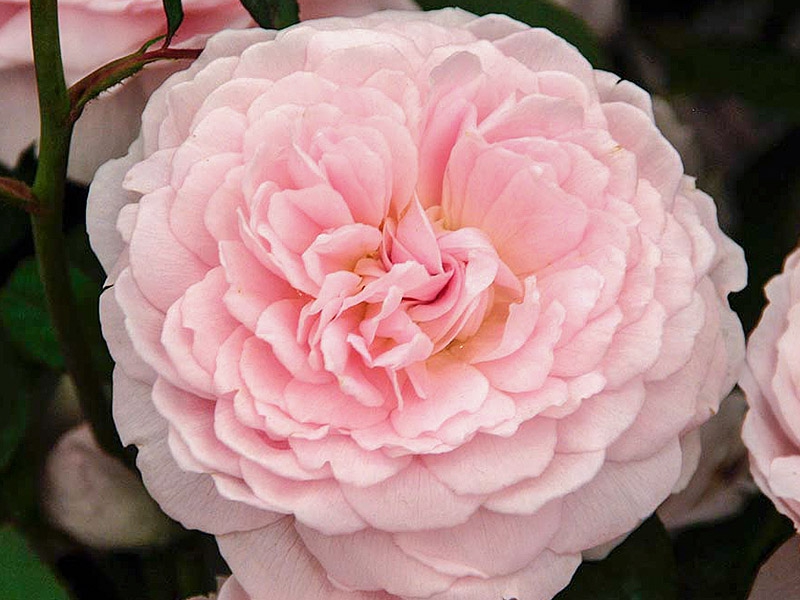
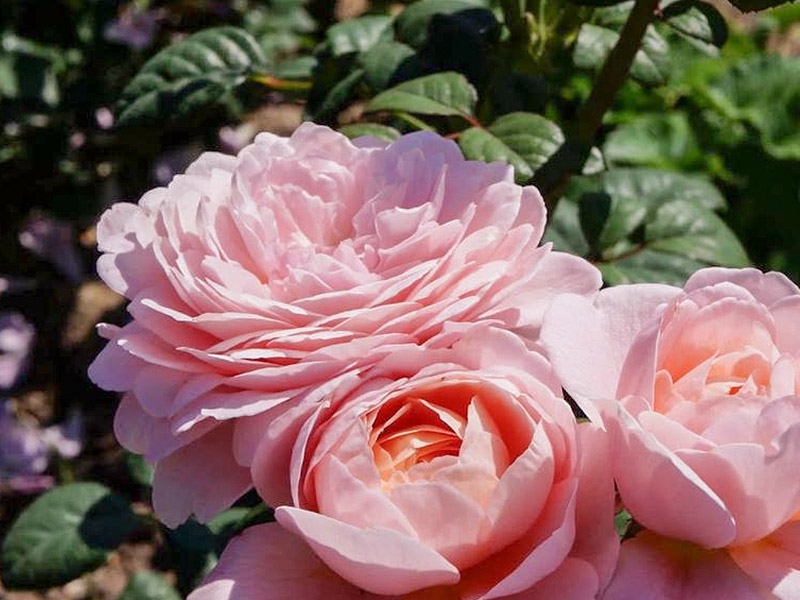
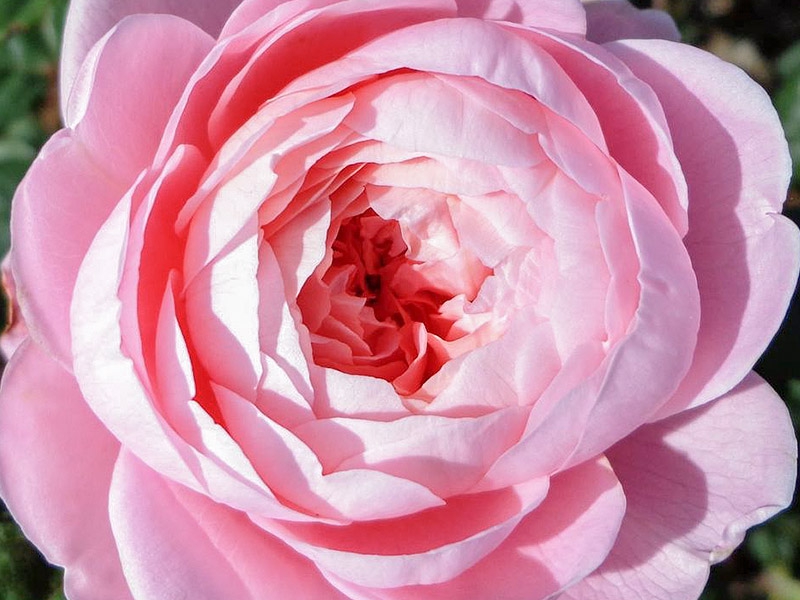
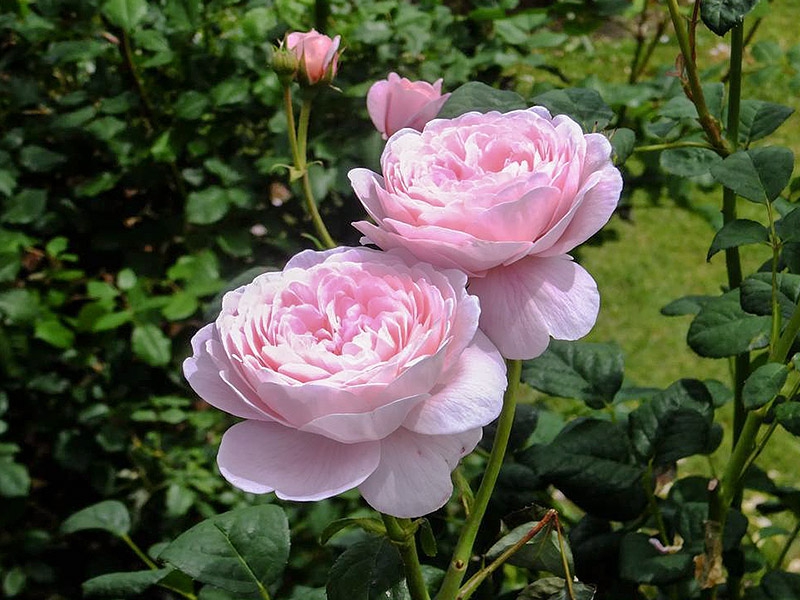
The rose 'Queen of Sweden' (Rosa hybrid 'Queen of Sweden') is one of the British roses developed by the famous British rose breeder David Austin. This rose is loved by many gardeners for its graceful flower shape and elegant fragrance. Below, we describe the growth characteristics, propagation methods, cultivation methods, garden uses, major pests and diseases, and control methods for this rose. Growth Characteristics - Size: 'Queen of Sweden' generally grows to a height of about 1.2 meters and can spread up to a width of about 0.9 meters. - Flower Color: It displays a variety of colors ranging from light pink to apricot, and the color fades over time. - Fragrance: It has a delicate and sweet fragrance. - Flowering Season: It is characterized by blooming multiple times from spring to autumn, providing continuous flowers. - Branches: It has a strong upright growth habit and is characterized by narrow, straight leaves. Propagation Methods - Grafting: It is generally propagated through grafting. The method used involves grafting 'Queen of Sweden' cuttings onto the roots of other roses. - Cuttings: It can be propagated during the summer using semi-hardwood cuttings. Treat the cut branches with a rooting agent and plant them in potting soil. Cultivation Methods - Soil: It thrives in well-drained, fertile soil. Slightly acidic soil (pH 6.0–6.8) is suitable. - Sunlight: It grows best in sunny locations and requires at least 6 hours of sunlight per day. - Watering: Water regularly during dry periods and ensure good drainage. - Fertilizer: Apply rose-specific fertilizer in the spring and summer to promote growth. Uses in the Garden - Border Planting: Its upright form makes it suitable for border planting. - Flowerbeds: When planted in flowerbeds mixed with other plants, it provides a beautiful backdrop. - Cut Flowers: It can also be used for indoor decoration by placing it in a vase. Major Pests and Diseases and Control Methods - Black Spot: This primarily occurs under humid conditions; remove affected leaves and control using fungicides. - Powdery Mildew: This can occur when ventilation is poor. Treat with an appropriate fungicide at the early stages of infestation. - Aphids: These can appear on new shoots in the spring; control them using soapy water or appropriate insecticides. - Control Methods: To prevent infestation, keep the area around the plant clean periodically and maintain the plant's health through proper nutrient supply. This rose is one of the most popular varieties among gardeners due to its beautiful flowers and excellent disease resistance. Its twigs are pruned, and the flowers last a long time, making it suitable for various garden designs.
Plant Type
Plant Family
Rosaceae
Height
90~120cm
Spread
60~90cm
Colors
pink
Bloom Period
May to August
Water Needs
commonly
Exposure
Sunny
Freezing Resistance
-30°C
Rose 'Sally Holmes'
Rosa hybrid 'Sally Holmes'
Rose 'Paul Noel'
Rosa hybrid 'Paul Noel'