English
한국어
English
Español
中文
हिंदी
Home
News
Community
Dictionary
English
한국어
English
Español
中文
हिंदी
View list
Watsonia Philancy
Watsonia pillansii
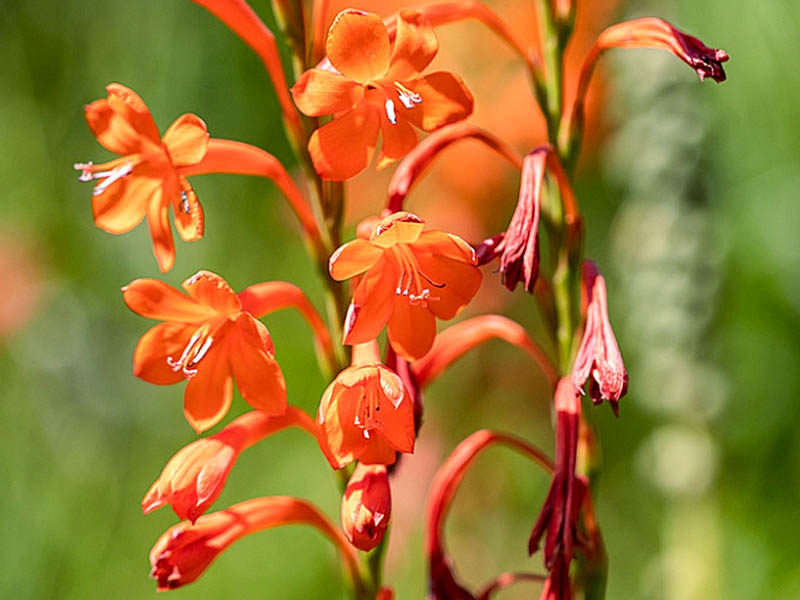
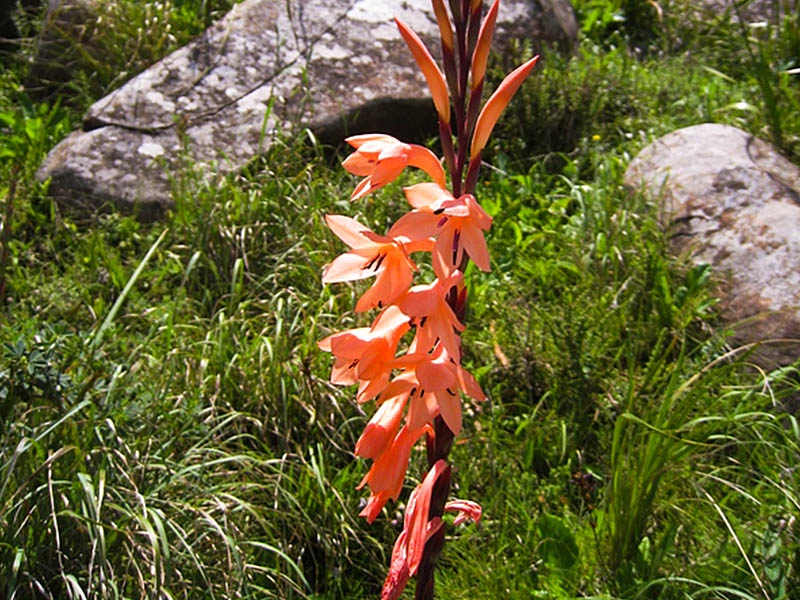
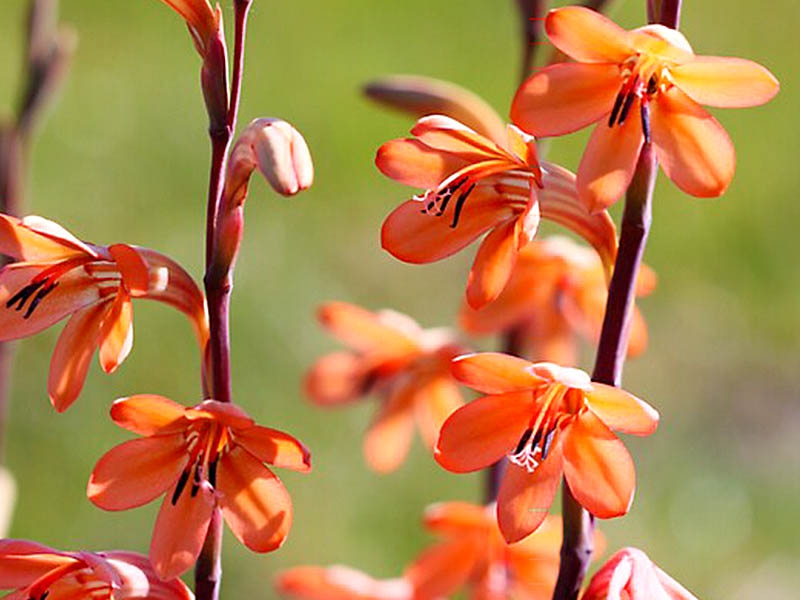
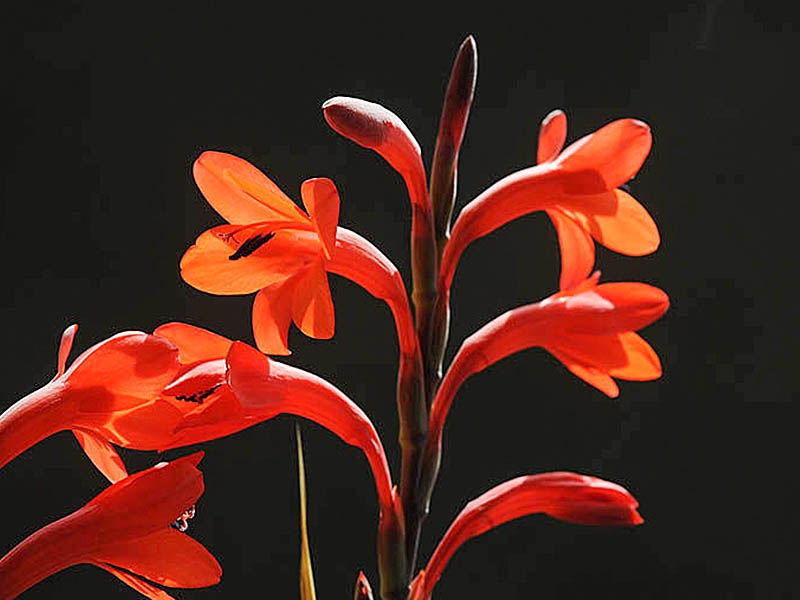
Watsonia pillansii is a perennial herbaceous plant native to South Africa. It is popular in gardens due to its showy flowers and easy growth characteristics. Below is information regarding Watsonia pillansii's growth characteristics, propagation methods, cultivation methods, garden uses, and major pests and diseases, as well as control methods. Growth Characteristics - Watsonia pillansii grows up to 1.5 meters tall and is characterized by its sharp, sword-shaped leaves. - It blooms with showy red, orange, or yellow flowers from summer to autumn. - It prefers a warm climate and thrives in sunny locations. Propagation Methods - It is primarily propagated by bulbs. If bulbs are planted in the autumn, you can see flowers the following year. - Propagation by seeds is also possible, but it may take longer to bloom. Cultivation Methods - It is important to plant in well-drained soil. If drainage is poor, the bulbs may rot. - Plants should be spaced approximately 10 to 15 cm apart. - Water appropriately during dry periods, but avoid excessive watering. Uses in the Garden - Planting in clusters creates a spectacular landscape, and it pairs well with other perennial plants. - It is also suitable for cut flowers and can be used as a material for flower arrangements. Important Pests and Control Methods - It is generally resistant to pests, but some aphids or mites may occur. - Pests can be removed by washing the leaves with water treated with eco-friendly detergent. - If a disease occurs, it is recommended to use an appropriate fungicide. Wassonia philancyi is easy to grow in a suitable environment and adds a unique atmosphere to the garden. By paying attention to pest management and the growing environment, you can cultivate it even more beautifully.
Plant Type
Plant Family
Iris family
Height
60~90cm
Spread
30~60cm
Colors
orange
Bloom Period
July~August
Water Needs
commonly
Exposure
Sunny
Freezing Resistance
-5°C
Watsonia Tabularis
Watsonia tabularis
Watsonia Bornonika
Watsonia borbonica