English
한국어
English
Español
中文
हिंदी
Home
News
Community
Dictionary
English
한국어
English
Español
中文
हिंदी
View list
Proligera kindb
Webera proliger
Kindb
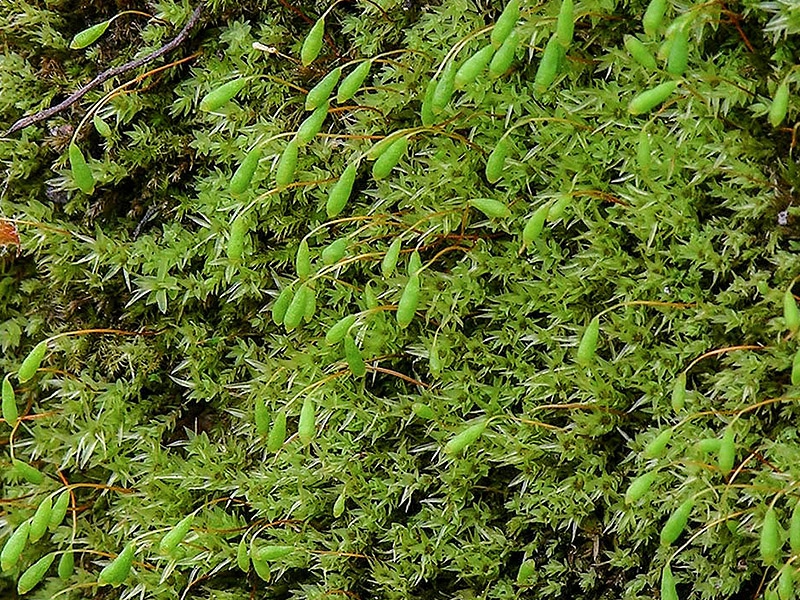
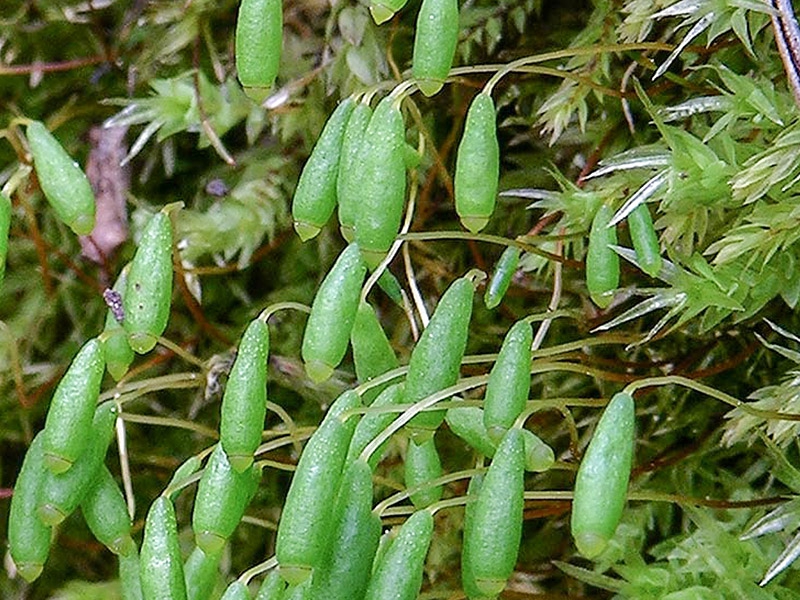
Webera proligera Kindb is a moss belonging to the family Weberaceae, characterized by its ability to thrive in diverse environments. Below is a description of this moss's growth characteristics, propagation methods, cultivation methods, garden uses, and important pests and control methods. Growth Characteristics - Environmental Adaptability: Webera proligera thrives in humid environments and maintains vitality even in low-light conditions. - Growth Rate: It generally grows slowly, but the growth rate can accelerate somewhat if provided with sufficient moisture and appropriate temperatures. - Temperature: It generally prefers temperate climates and survives well even in cold winters. Propagation Methods - Spore Propagation: Mosses primarily reproduce via spores. Spores are dispersed by the wind to form new individuals. - Division Propagation: It can reproduce by physically dividing the moss clump and transplanting it to a new location. Cultivation Methods - Soil: It prefers well-drained soil, and a high proportion of leaf mold is beneficial. - Moisture Management: Moisture must be maintained by watering frequently. Since it has no roots, it is important to frequently mist the surface. - Location: An optimal environment can be created by placing it in a partially shaded area. Uses in the Garden - Design Element: Moss can be used to create a natural landscape in the garden. Planting it on rock surfaces or around tree trunks adds beauty. - Eco-friendly Function: It helps prevent soil erosion and improves moisture retention. Important Pests and Control Methods - Diseases: It is generally resistant to pests, but contaminated water or excessive moisture can cause fungal diseases. - Pests: Small insects such as leaf beetles can occasionally be a problem, but serious damage is rare. - Control Methods: Manage humidity by maintaining good ventilation, and use fungicides if mold occurs. Insects can be physically removed, or low-toxicity insecticides can be used if necessary. Based on this information, you can properly care for wild loofah moss and utilize it as a useful and beautiful element in your garden.
Plant Type
Plant Family
True moss family
Height
2cm
Spread
Colors
sporophyte
Bloom Period
Water Needs
well
Exposure
shade
Freezing Resistance
-5°C
Watsonia Bornonika
Watsonia borbonica
Long-necked loofah moss Longigola
Webera longicolla