English
한국어
English
Español
中文
हिंदी
Home
News
Community
Dictionary
English
한국어
English
Español
中文
हिंदी
View list
Rosemary Prostratus Group
Rosmarinus officinalis
Prostratus Group
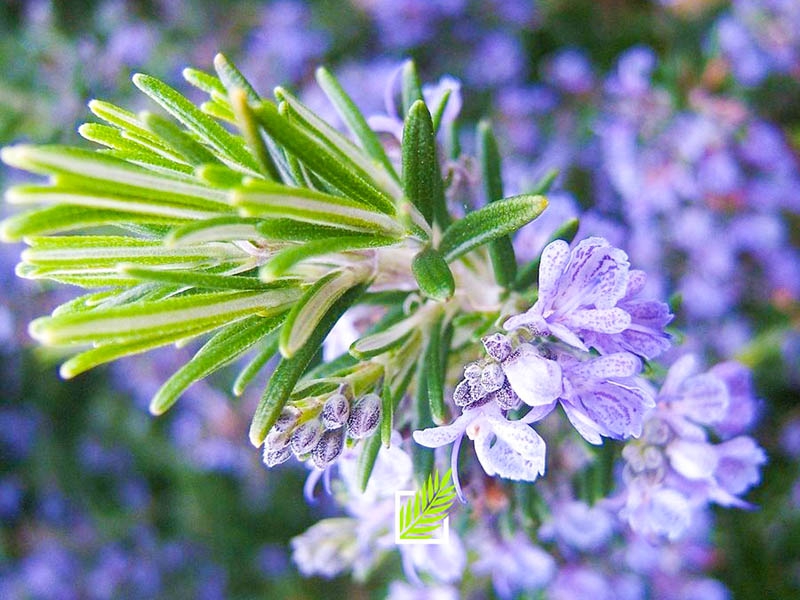
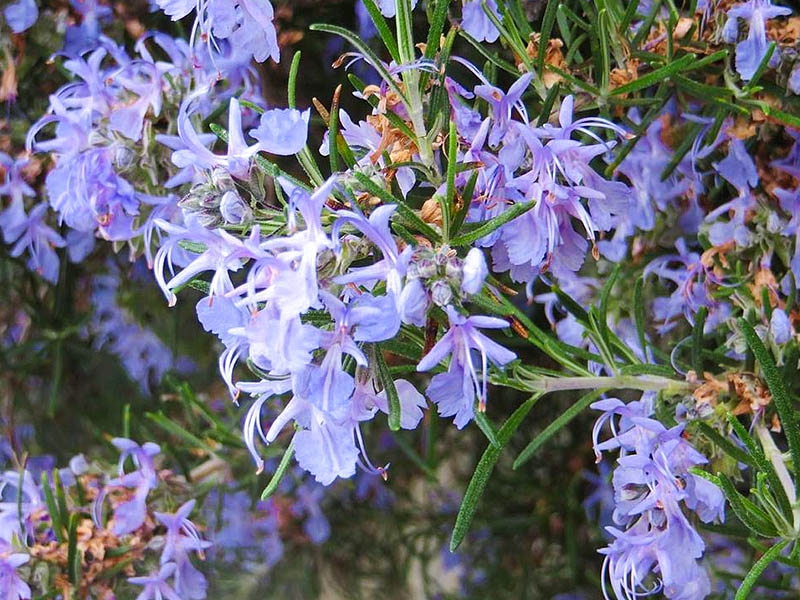
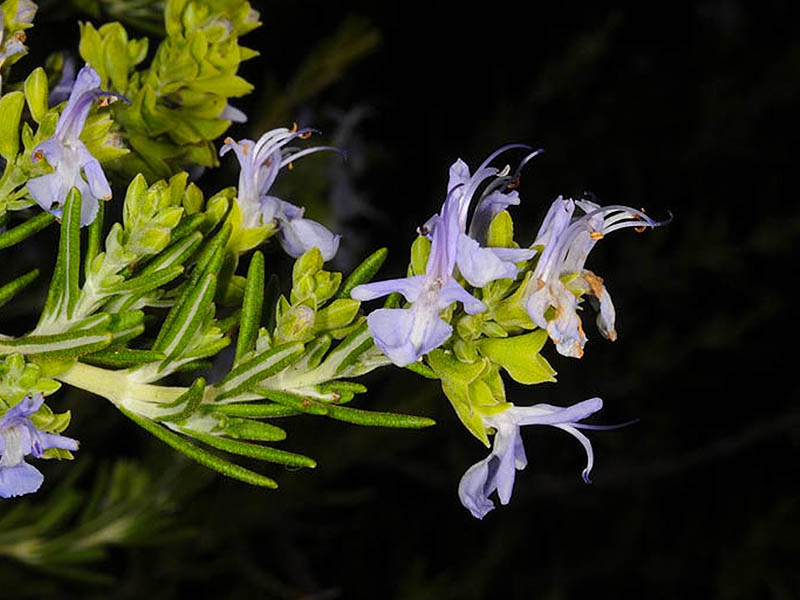
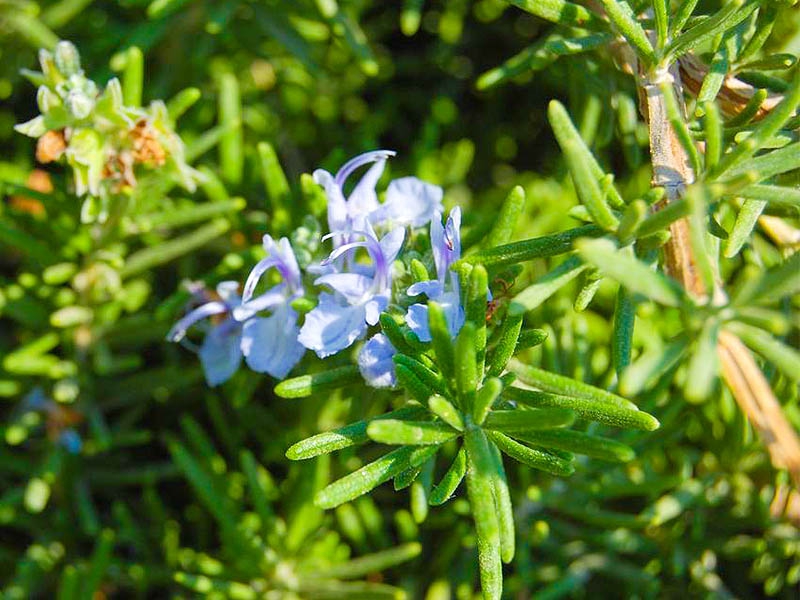
The Rosmarinus officinalis Prostratus group is a ground-covering rosemary variety primarily used for ornamental purposes in gardens. The following is information regarding the plant's growth characteristics, propagation methods, cultivation techniques, garden uses, and major pests and diseases, as well as control methods. Growth Characteristics - Form: It is a low-growing shrub, typically 20–30 cm tall, though it can extend up to 60 cm when fully grown. - Leaves: It has slender, conifer-like leaves ranging in color from grayish-green to green. - Flowers: It blooms with small blue or light purple flowers from spring through summer. - Scent: It has a strong fragrance and is primarily used in cooking and aromatherapy. Propagation Methods - Seeds: While propagation by seeds is possible, the germination rate is low, so it is mainly propagated via cuttings. - Propagation by Cuttings: Cut off unflowered branches, remove the leaves, and plant them in sand or perlite to allow them to root. Cultivation Methods - Soil: Prefers sandy soil with good drainage and aeration. It also grows well in alkaline soil. - Watering: Be careful not to overwater; it thrives in dry environments. Water thoroughly after the soil has dried out. - Sunlight: It is important to grow it in a location where it can receive ample sunlight. - Temperature: It is relatively cold-tolerant, but protection is required in very cold regions. Garden Uses - Border Planting: Utilizing its ground-covering properties, it is used for border planting or in rock gardens. - Fragrance: You can enjoy its scent in gardens or on terraces. - Cooking and Culinary Use: Some leaves can be used as a spice in cooking. Important Pests and Diseases & Control Methods - Diseases: Root rot, mainly caused by overwatering, can occur. It is important to ensure good drainage and to avoid watering until the soil is dry. - Pests: Mites, aphids, and other pests may occur. Prevention involves using eco-friendly insecticides or cultivating in a suitable environment. Based on this information, you can effectively cultivate and manage the Rosemary Opicinalis prostratus group.
Plant Type
Plant Family
Lamiaceae
Height
30~60cm
Spread
60~90cm
Colors
blue
Bloom Period
April to August
Water Needs
commonly
Exposure
Sunny
Freezing Resistance
-10°C
rosemary
Rosmarinus officinalis
slender knotweed
Rotala mexicana