English
한국어
English
Español
中文
हिंदी
Home
News
Community
Dictionary
English
한국어
English
Español
中文
हिंदी
View list
slender knotweed
Rotala mexicana
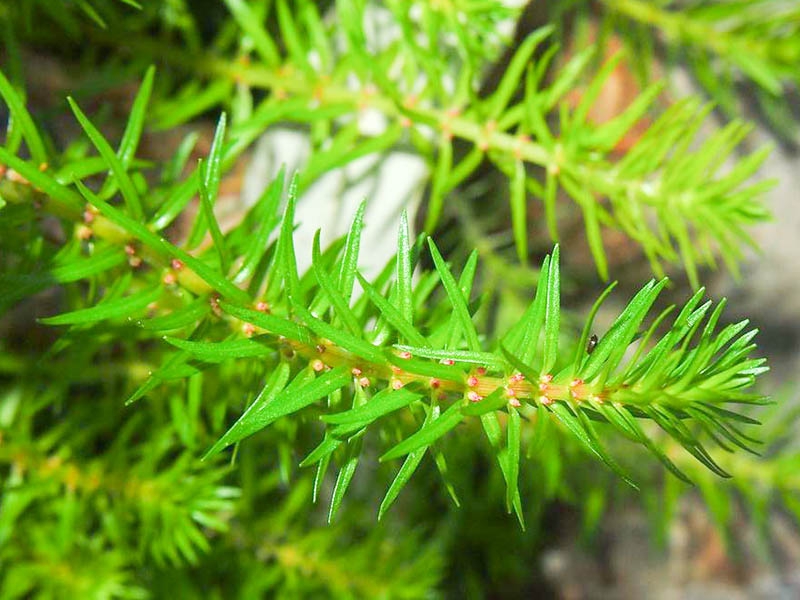
Rotala mexicana is a small herbaceous plant that thrives in watersides and wetlands. The following is information regarding the growth characteristics, propagation methods, cultivation methods, garden uses, and major pests and diseases, as well as control methods. Growth Characteristics - Environment: Rotala mexicana grows well in humid environments such as watersides and wetlands. It grows better in sunny locations but can also grow in partial shade. - Growth: It grows to a height of approximately 10–30 cm, with thin, elongated stems. The leaves are generally small and oval-shaped. - Flowers: It blooms with small pink or purple flowers between summer and autumn. Propagation Methods - Seed Propagation: Sow seeds collected in the autumn the following spring. Seeds can be sown directly or in a nursery bed to germinate before transplanting. - Propagation by Cuttings: This method involves inducing roots by placing a cut stem in water or planting it in soil. This allows for relatively quick and easy propagation. Cultivation Method - Soil: It thrives in well-drained sandy or clayey soil. Soil that retains moisture well is preferred. - Watering: Water consistently to prevent the soil from drying out. Insufficient water can inhibit growth. - Temperature: It prefers a warm climate; growth may stop if the temperature is too low. Uses in the Garden - Landscaping: It can be used to create landscapes along waterfronts or pond edges, and is also suitable as a ground cover plant. - Wetland Gardens: It can be planted as an accent plant when establishing wetland areas. - Water Purification: As an aquatic plant, it has water purification capabilities, making it ideal for planting in small ponds or areas with flowing water. Important Pests and Control Methods - Diseases: While knotweed is relatively resistant to disease, fungal diseases may occur in excessively humid environments. Prevent this by improving ventilation and adjusting the spacing between plants. - Pests: Major pests are small insects such as aphids; if necessary, you can wash with soapy water or use natural pest control agents. - Prevention: Pests and diseases can be prevented through periodic observation and proper ventilation. This information will help you successfully grow and maintain knotweed. It is important to observe and properly care for the plant in your garden.
Plant Type
Plant Family
family Lythraceae
Height
3∼10cm
Spread
Colors
red
Bloom Period
August to October
Water Needs
well
Exposure
semi-shaded area
Freezing Resistance
-5°C
Rosemary Prostratus Group
Rosmarinus officinalis Prostratus Group
knotweed
Rotala indica