English
한국어
English
Español
中文
हिंदी
Home
News
Community
Dictionary
English
한국어
English
Español
中文
हिंदी
View list
Rubia
Rubia cordifolia
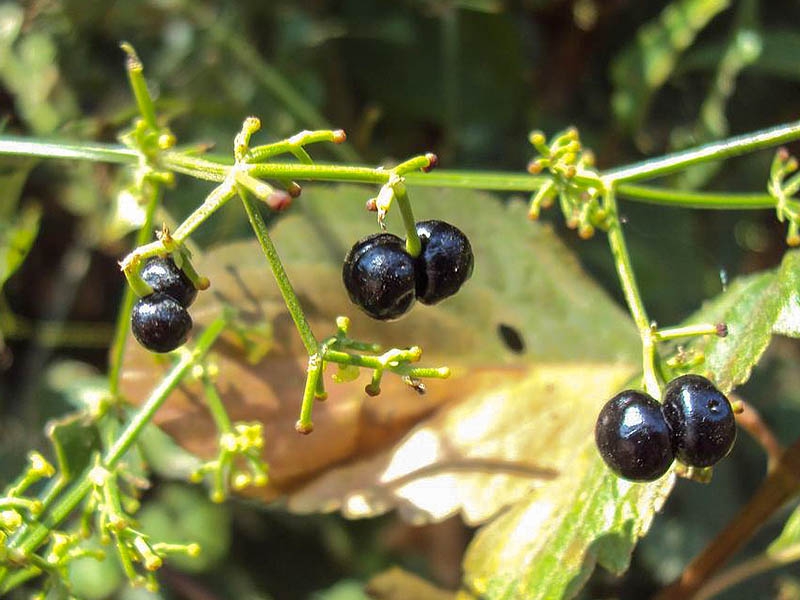
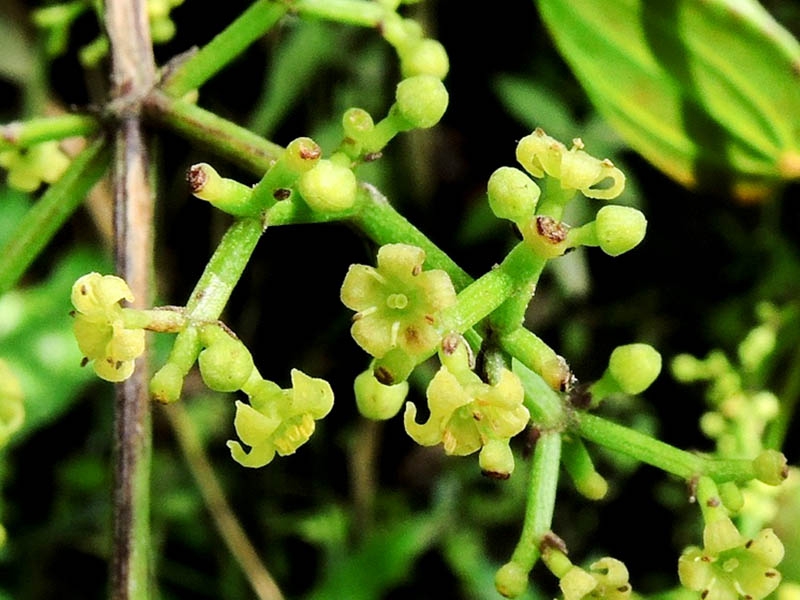
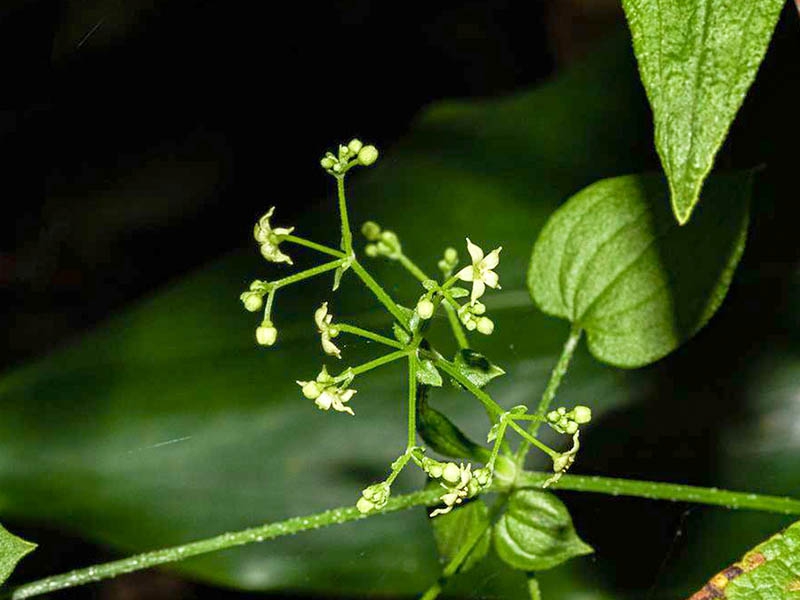
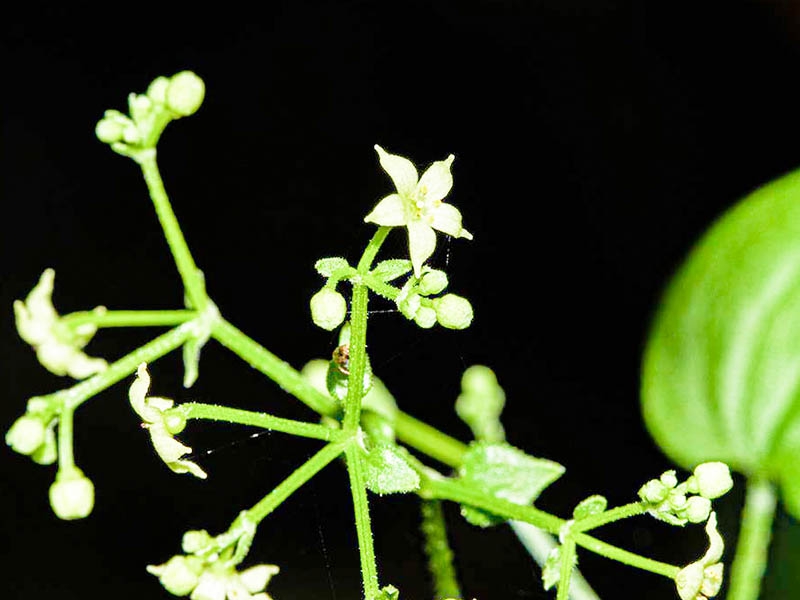
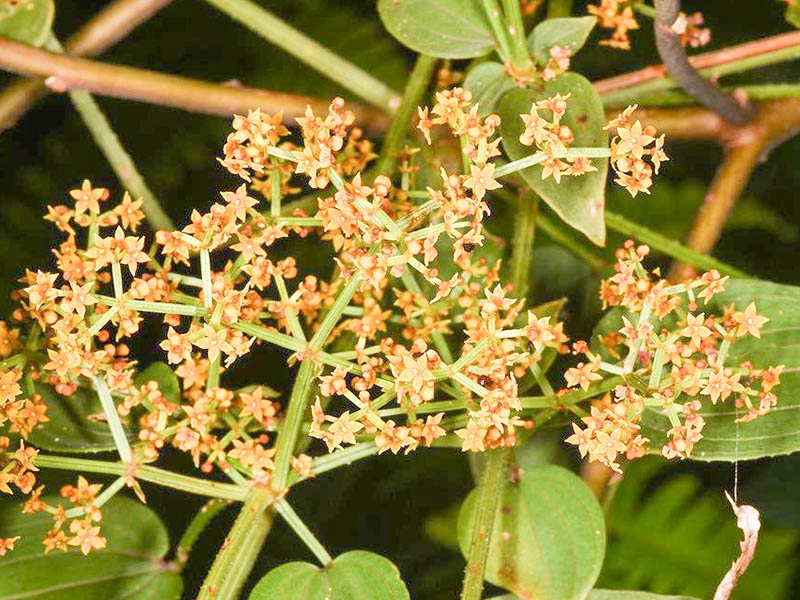
Growth Characteristics of Rubia cordifolia Rubia cordifolia is a perennial herbaceous plant native to all of Asia. It primarily grows at the edges of forests in mountainous regions, typically reaching a height of 1 to 2 meters. The leaves are heart-shaped and arranged alternately, appearing in whorls of 4 to 5. Small yellow flowers bloom during the summer. It has strong soil adaptability and thrives in both sunlight and shade, but grows better in well-drained soil. Propagation Methods Rubia cordifolia is primarily propagated by seeds and root fragments. When using seeds, mature seeds can be harvested in the autumn and sown immediately in the spring, or stored in the refrigerator during the winter before sowing in the spring. For root propagation, roots are detached from the mother plant in early spring and planted immediately. Cultivation Methods Rubia cordifolia prefers well-drained soil and sunny locations. After propagating in early spring, weed the plant during the early growth stage to reduce competition with weeds. Be careful not to overwater, and organic fertilizers may be used if necessary. Uses in the Garden Due to its unique leaf shape and flowers, this plant is suitable for ornamental gardens and fits well in natural wild gardens or forest gardens. It can also be planted alongside other flowers to create a unique harmony. Important Pests and Control Methods Rubia cordifolia is generally resistant to pests and diseases, but occasionally the leaves may become diseased or damaged by pests. The most common pests are leaf blight and aphids; to prevent this, maintain adequate ventilation, and use natural pesticides if necessary. In severe cases, chemical control may be considered, but such occurrences are rare. With the information above, you can effectively cultivate and manage Rubia cordifolia.
Plant Type
Plant Family
Rubiaceae
Height
2m
Spread
Colors
yellow
Bloom Period
July–August
Water Needs
commonly
Exposure
Sunny
Freezing Resistance
-10°C
Madder
Rubia hexaphylla
prickly raspberry
Rubus schizostylus