English
한국어
English
Español
中文
हिंदी
Home
News
Community
Dictionary
English
한국어
English
Español
中文
हिंदी
View list
Korean black raspberry
Rubus coreanus
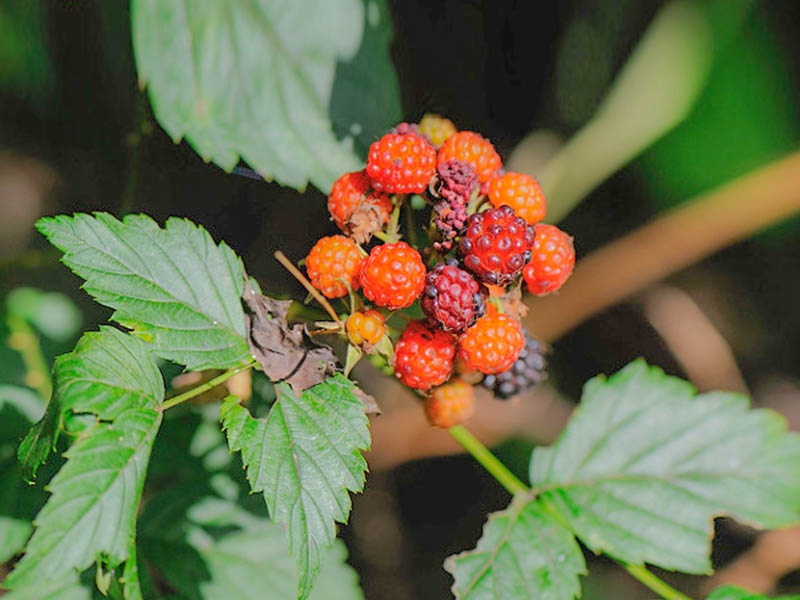
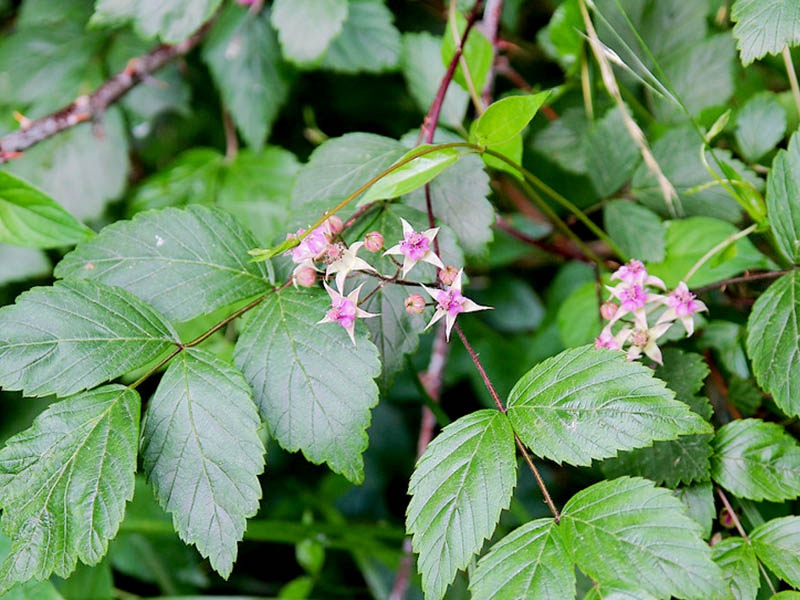
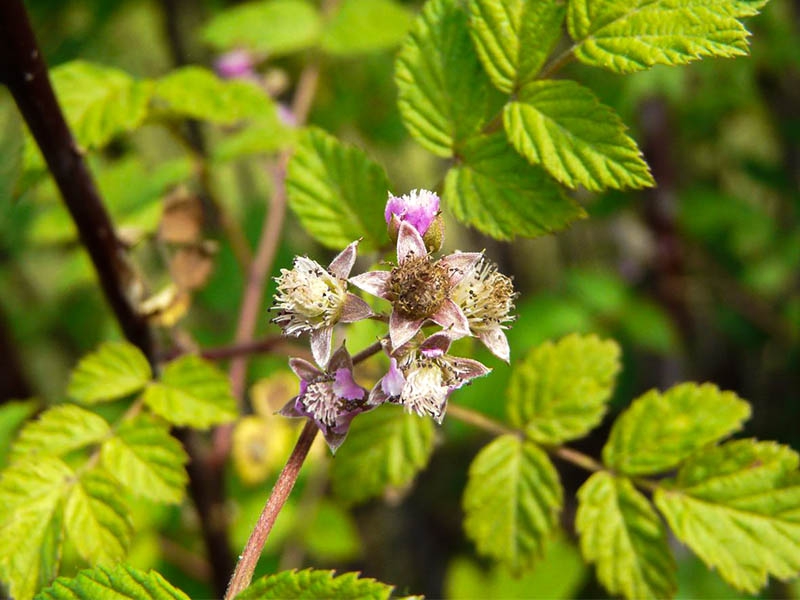
Rubus coreanus, the Korean black raspberry, is a plant native to East Asia, including Korea. Its fruit is particularly widely used due to its beneficial health properties. The following is information regarding the growth characteristics, propagation methods, cultivation techniques, garden uses, and major pests and diseases, as well as control methods. Growth Characteristics - Climate and Environment: The Korean black raspberry thrives in warm, humid climates and prefers well-drained soil. - Sunlight Requirements: It requires sufficient sunlight, but can grow to some extent in partial shade. - Harvest Season: The fruit usually ripens between June and July. Propagation Methods - Seed Propagation: It can be propagated using seeds, but this process can be time-consuming. - Cuttings: Root or stem cuttings are primarily used. It is recommended to perform this in spring or autumn. - Division: This is a method of propagation by separating mature plants. Cultivation Methods - Soil Preparation: Prepare well-draining sandy soil or slightly acidic soil. - Watering: Avoid overwatering and water with an appropriate amount about once a week. - Fertilization: Use organic fertilizers 2 to 3 times a year. - Pruning: Trim the stems once in winter to encourage the growth of healthy branches. Uses in the Garden - Ornamental: In the garden, it can be used as a hedge or vine, and the fruit is used for food and medicinal purposes. - Ecological Role: It can also serve as a habitat for insects such as honeybees. Major Pests and Diseases and Control Methods - Diseases: Anthracnose and gray mold may occur. These diseases can be controlled by using fungicides preventively or by cutting off infected parts. - Pests: Pests such as aphids may occur; control them using soapy water or insecticides upon early detection. - Prevention: Regular maintenance and ensuring good ventilation are recommended. Korean black raspberries can be effectively cultivated and managed through these methods, and the fruit offers various health benefits.
Plant Type
Plant Family
Rosaceae
Height
3m
Spread
Colors
white, pink
Bloom Period
May~June
Water Needs
commonly
Exposure
Sunny
Freezing Resistance
-30°C
raspberry
Rubus crataegifolius
Strawberry
Rubus corchorifolius