English
한국어
English
Español
中文
हिंदी
Home
News
Community
Dictionary
English
한국어
English
Español
中文
हिंदी
View list
Strawberry
Rubus corchorifolius
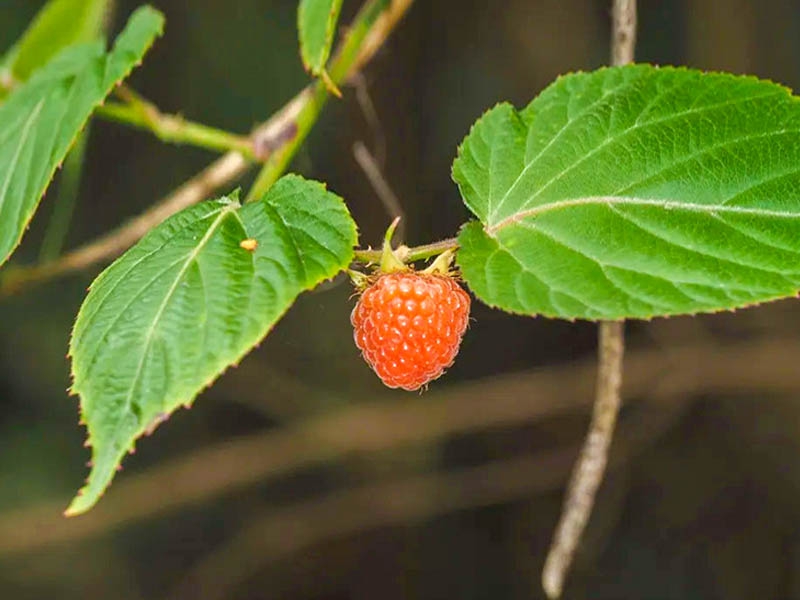
Rubus corchorifolius is a deciduous shrub belonging to the Rosaceae family, primarily distributed in East Asia. This plant possesses the following characteristics regarding growth, propagation, cultivation, garden uses, and major pests and diseases, as well as control methods. Growth Characteristics - Morphology: Rubus corchorifolius grows to a height of approximately 1 to 3 meters and has many thorns on its branches. - Leaves: The leaves are arranged alternately and are broadly oval to ovate with pointed tips. - Flowers: Small white or pink flowers bloom between spring and summer. - Fruit: It bears red, strawberry-like fruit in the summer, which is edible. Propagation Methods - Seed Propagation: Wash seeds collected from mature fruit thoroughly and plant them. It is recommended to provide a cool, humid environment before germination. - Cuttings: Cut off a section of the tree in the summer and place it in water. Once roots develop, plant it in a pot or in the open ground. Cultivation Methods - Soil: Well-drained soil is suitable. It thrives in acidic soil rich in organic matter. - Sunlight: It prefers partial shade to full sun environments. - Watering: Generally, it prefers moist conditions rather than dry ones. However, overwatering should be avoided. Uses in the Garden - Ornamental: It is popular as a garden ornament due to its beautiful leaves, flowers, and fruit. - Hedge: It is useful as a hedge due to its numerous thorns. - Edible and Medicinal: The fruit is edible, and it is also used as a traditional medicine. Important Pests and Control Methods - Diseases: Leaf blight and powdery mildew may occur. - Control: Regular ventilation and prevention of damage from overwatering are important. Use appropriate pesticides if necessary. - Pests: Aphids and scale insects can be problematic. - Control: When pests appear, they can be physically removed by directly spraying soapy water or alcohol. Biological control using natural enemies is also effective. As such, the Korean strawberry grows relatively easily in various environments and is highly versatile, making it a valuable garden plant. It is important to prevent pests and diseases through periodic care and inspection.
Plant Type
Plant Family
Rosaceae
Height
1~3m
Spread
Colors
white
Bloom Period
April~May
Water Needs
commonly
Exposure
Sunny
Freezing Resistance
-20°C
Korean black raspberry
Rubus coreanus
winter strawberries
Rubus buergeri