English
한국어
English
Español
中文
हिंदी
Home
News
Community
Dictionary
English
한국어
English
Español
中文
हिंदी
View list
raspberry
Rubus idaeus
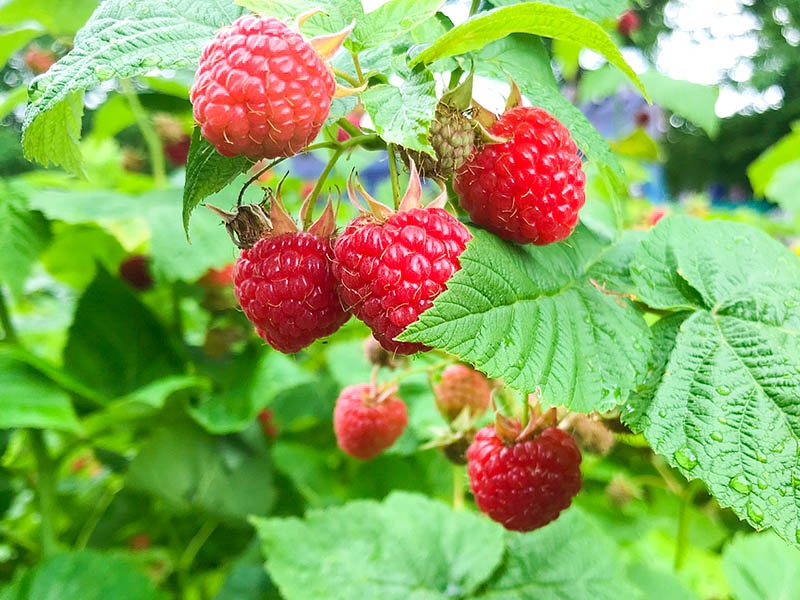
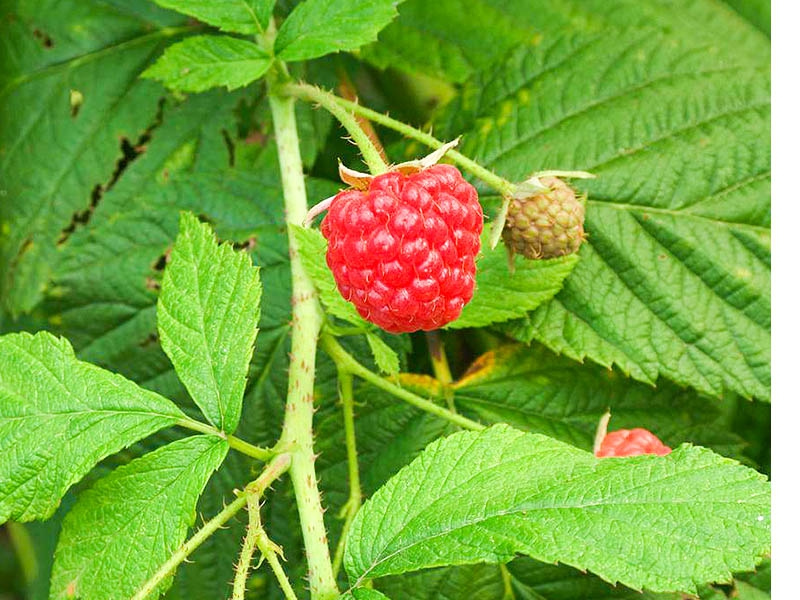
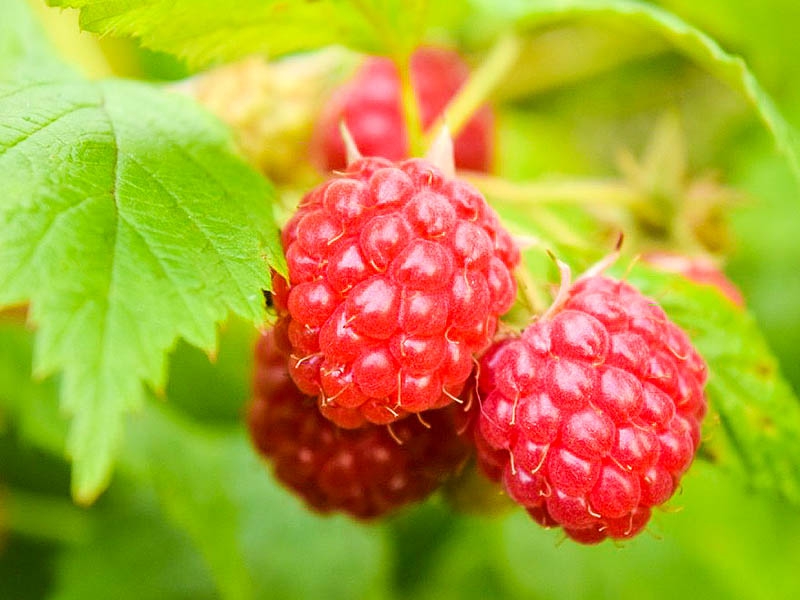
Rubus idaeus, commonly known as the raspberry, is a plant widely distributed in the temperate regions of the Northern Hemisphere. The following is information regarding this plant's main growth characteristics, propagation methods, cultivation methods, garden uses, and important pests and diseases and control methods. Growth Characteristics - Growth Form: It grows as a deciduous shrub, typically reaching a height of 1 to 2 meters. - Leaf Shape: It has pinnate leaves with serrated margins. - Flowering and Fruiting: It usually flowers in the spring and bears fruit in the summer. - Soil Conditions: It prefers well-drained soil and thrives in soil with a slightly acidic to neutral pH. - Sunlight Requirements: It likes sunlight but can grow in some shade. Propagation Methods - Seed Propagation: Propagation is possible by seeds, but this process can be time-consuming. - Root Division: Since new shoots emerge from the roots, it is common to propagate by separating them. - Cuttings: Propagation is also possible through stem cuttings. Cultivation Methods - Planting: First, select well-draining soil and add a small amount of organic matter. It is best to plant in early spring. - Watering: Maintain consistent moisture, but avoid overwatering. - Fertilizing: Provide nutrients using a balanced fertilizer in the spring. - Pruning: Remove dead branches in winter, and prune slightly in the spring to promote the growth of new shoots. Uses in the Garden - Ornamental: It can be used to enhance garden landscaping due to its beautiful flowers and fruit. - Edible: The fruit can be eaten fresh or used to make processed products such as jam and jelly. - Habitat Creation: It can serve as a habitat for various animals. Important Pests and Diseases & Control Methods - Diseases: Major diseases include root rot and fungal diseases, which can be prevented through proper drainage and ventilation. - Pests: Representative pests include aphids and moths. The use of insecticides is a common control method, and biological control using natural enemies can also be considered. - Prevention: It is important to plant at appropriate intervals and maintain good ventilation by regularly removing small branches. Based on this information, healthy growth of the Rubus coreanus can be promoted through proper management and control.
Plant Type
Plant Family
Rosaceae
Height
1~3m
Spread
Colors
white
Bloom Period
June–July
Water Needs
commonly
Exposure
semi-shaded area
Freezing Resistance
-30°C
Five-leaf strawberry
Rubus ikenoensis
Maple leaf raspberry
Rubus chingii