English
한국어
English
Español
中文
हिंदी
Home
News
Community
Dictionary
English
한국어
English
Español
中文
हिंदी
View list
Soyoungdori tree
Weigela praecox
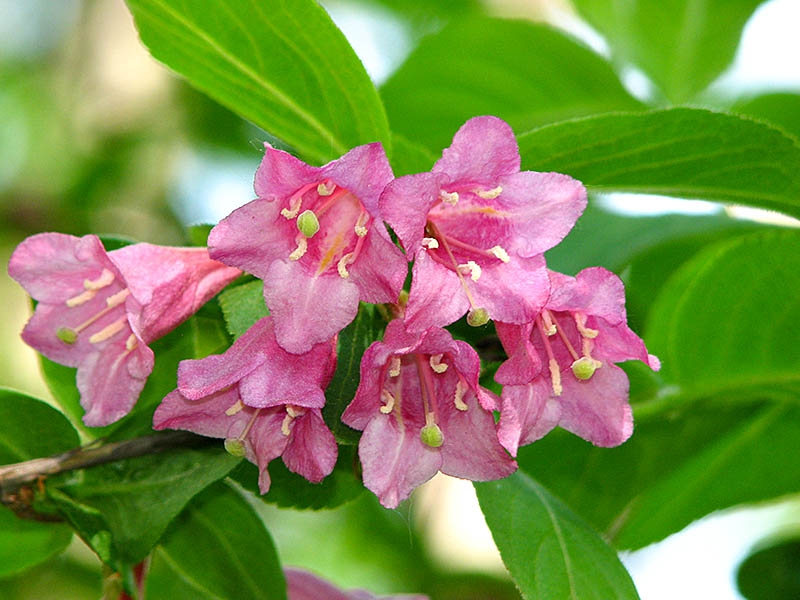
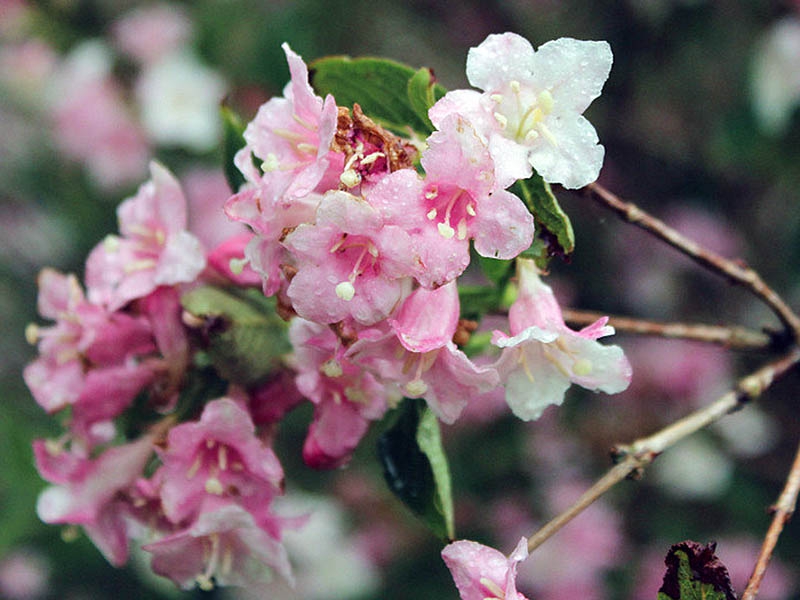
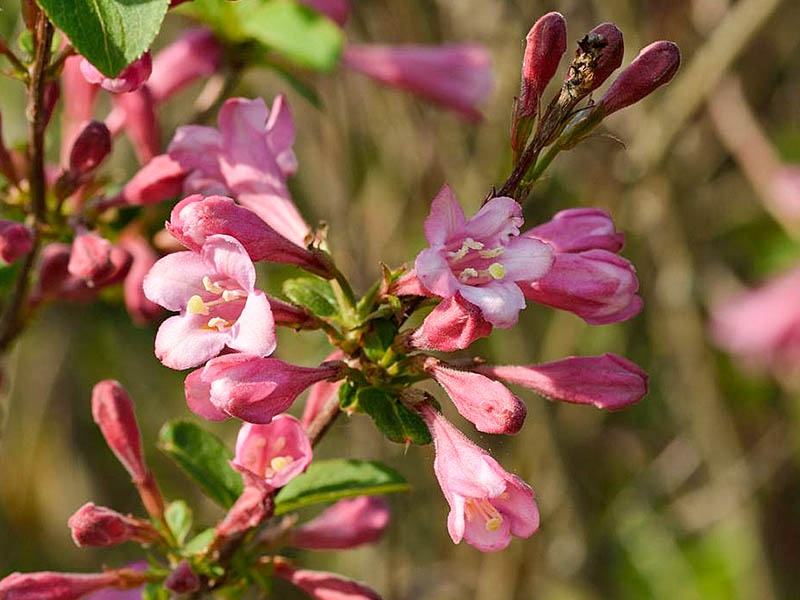
Growth Characteristics of Weigela praecox Weigela praecox is a deciduous shrub native to East Asia, including Korea, China, and Japan. It typically grows to a height of 1.5 to 3 meters, forming a rounded shape with numerous branches. Pale pink flowers bloom in spring, coinciding with the cherry blossom season, and their shape resembles that of a morning glory. The leaves are ovate with serrated edges. Propagation Methods Weigela praecox is primarily propagated by cuttings and seeds. - Cuttings: In spring or autumn, cut plant branches 10 to 15 cm in length and plant them in a potting mix of sand and compost. Afterward, water thoroughly and manage the plant in a well-ventilated location. - Seed Propagation: Harvest mature seeds and sow them in autumn, or sow them in spring after cold-treating them in a refrigerator during the winter. Cultivation Methods - Soil: Well-drained sandy loam is suitable. 2. Sunlight: It grows well in both full sun and partial shade, but sufficient sunlight is required for the flowers to bloom properly. - Watering: Water thoroughly during the initial stages, and it is relatively resistant to drought after maturity. - Fertilization: Apply appropriate amounts of chemical or organic fertilizer during the spring growing season. Uses in the Garden Due to its beautiful and abundant flowers, the Japanese Spiraea is excellent for creating a spectacular landscape in the garden. It is ideal for planting hedges or borders, and it is also suitable as a landscaping tree alongside other flowering trees. Important Pests and Diseases & Control Methods While the Japanese Spiraea is relatively resistant to pests and diseases, it may occasionally face the following issues: - Fungal Diseases: Fungal diseases may occur on the leaves in hot and humid environments. To prevent this, ensure good drainage and use appropriate fungicides if necessary. - Aphids: Aphids may appear in early spring; in this case, control them using soapy water or eco-friendly insecticides. 3. Leaf Beetles: Leaf-eating insects may appear; in the early stages of infestation, remove them by hand or use an appropriate insecticide. Healthy Japanese zelkova trees can be maintained through proper management and monitoring.
Plant Type
Plant Family
Honeysuckle
Height
2m
Spread
Colors
pink
Bloom Period
May
Water Needs
commonly
Exposure
semi-shaded area
Freezing Resistance
-30°C
Weigela
Weigela subsessilis
Bone-sickness flower tree
Weigela hortensis