English
한국어
English
Español
中文
हिंदी
Home
News
Community
Dictionary
English
한국어
English
Español
中文
हिंदी
View list
wild raspberry canadensis
Rubus canadensis
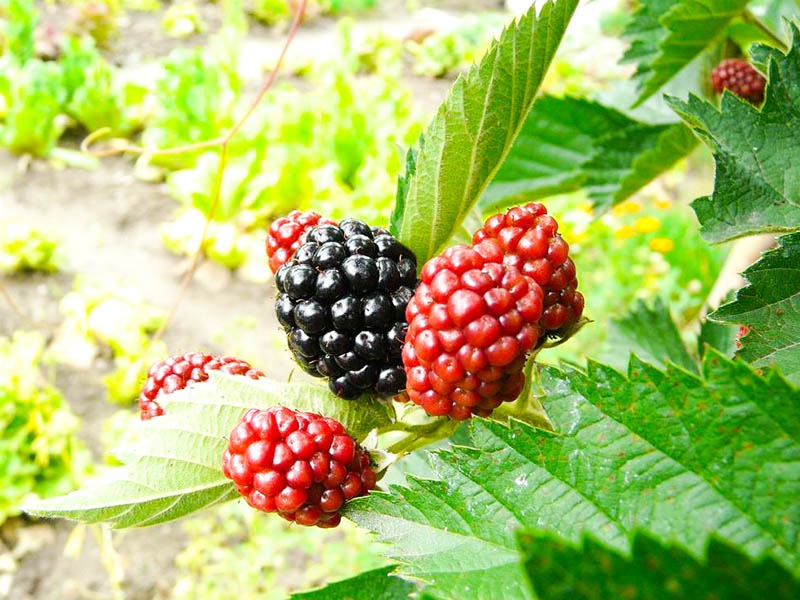
Rubus canadensis is a deciduous shrub native to North America that produces delicious fruit. Below, we will explain its growth characteristics, propagation methods, cultivation methods, garden uses, and major pests and diseases, as well as control methods. Growth Characteristics - Growth Environment: It thrives in full sun but can also grow in partial shade. It prefers well-drained soil. - Height and Width: It grows to a height of approximately 1.5 to 2.5 meters and a width of 1.5 to 2 meters. - Flowering and Fruiting Period: Flowers usually bloom in early summer, and fruit sets in mid-summer. - Cold Tolerance: It has good cold tolerance and withstands relatively cold climates well. Propagation Methods - Seed Propagation: Propagation by seeds is possible, but cold treatment and germination conditions are required. - Cuttings: It can be easily propagated through cuttings from late summer to early autumn. - Division: It can be propagated by directly dividing the bulbs. Cultivation Methods - Soil Preparation: It prefers acidic soil, so the soil can be acidified as needed. - Planting: It is best to plant in spring or autumn, and plant at appropriate intervals. - Watering: Water sufficiently during the early growing season, but avoid excessive watering. - Pruning: Trim branches in late winter or early spring to improve ventilation and ensure ample sunlight. Uses in the Garden - Edible Fruit: It is valuable as a fruit tree for home gardens as it produces harvestable fruit. - Landscape Use: Plant along hedges or boundaries to improve the landscape. - Ecological Value: The flowers attract insects such as bees and butterflies, enriching the ecosystem. Important Pests and Diseases and Control Methods - Diseases: Powdery mildew or fungal diseases may occur on the leaf surface. In this case, prevention and control are possible through the use of appropriate pesticides and improved ventilation. - Pests: Pests such as aphids may occur. Natural repellents include sticky traps, and the use of pesticides may be considered if necessary. - Control Methods: Remove twigs and fallen leaves in the autumn to eliminate overwintering sites for diseases, and maintain spacing from other woody plants to reduce transmission. As such, the wild raspberry (Raspberry canadensis) is a valuable plant that is relatively easy to manage and versatile. With continuous observation and proper care, it can be cultivated to be even more abundant and healthy.
Plant Type
Plant Family
Rosaceae
Height
2~3m
Spread
1.8~3.6m
Colors
white
Bloom Period
June to August
Water Needs
commonly
Exposure
Sunny
Freezing Resistance
-40°C
rockberry
Rubus deliciosus
wild raspberry Callicinoides
Rubus calycinoides