English
한국어
English
Español
中文
हिंदी
Home
News
Community
Dictionary
English
한국어
English
Español
中文
हिंदी
View list
Original recommendation country
Rudbeckia bicolor
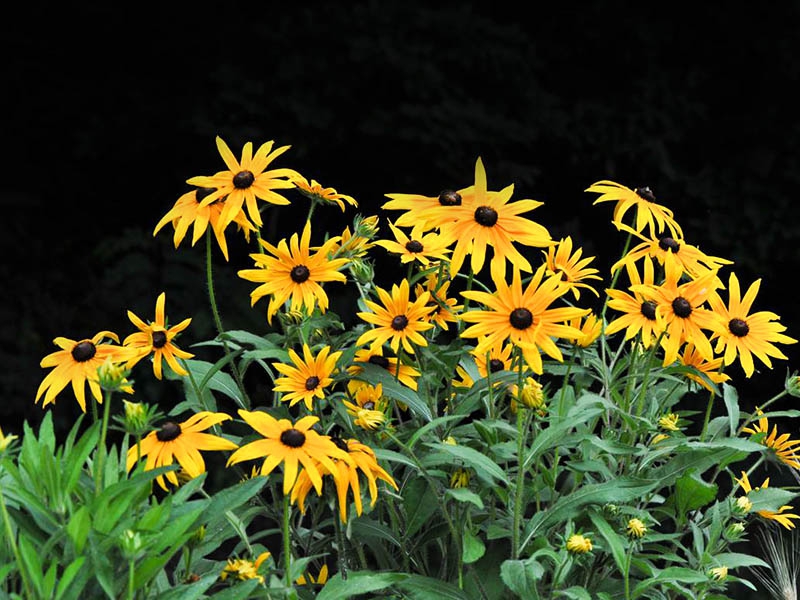
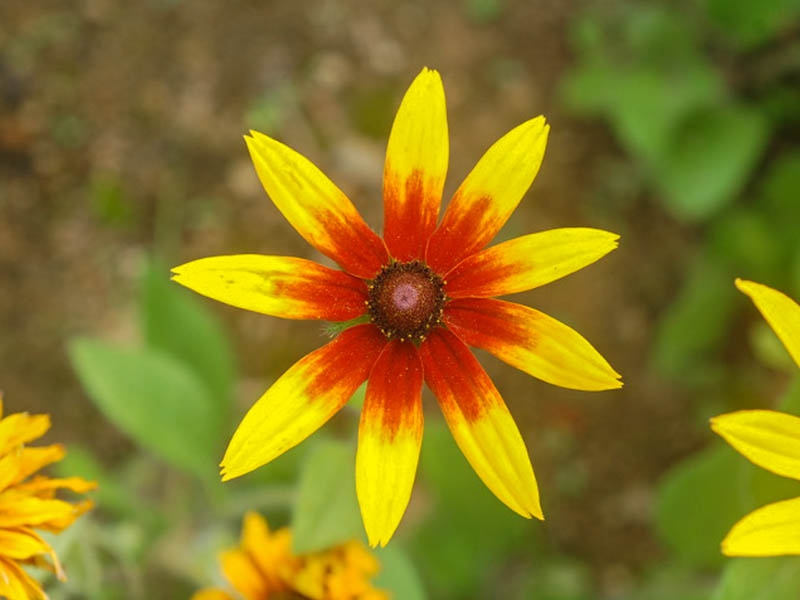
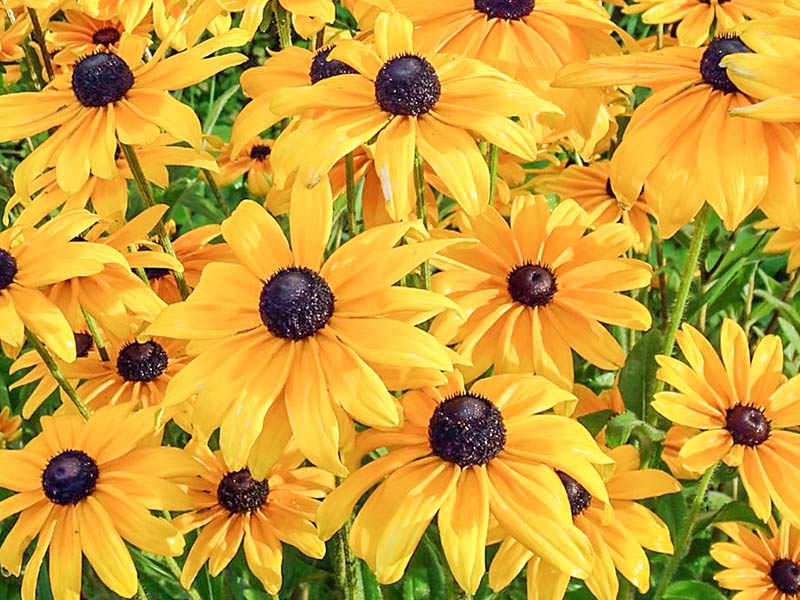
Rudbeckia bicolor has the following characteristics, propagation methods, cultivation methods, garden uses, major pests and diseases, and control methods. Growth Characteristics - Morphology: Rudbeckia bicolor is a perennial herbaceous plant that grows to a height of approximately 30 to 90 cm. - Leaves: The leaves are ovate or elliptical with serrated edges. - Flowers: It blooms from summer to autumn; the flowers feature a harmonious blend of yellow and orange, with a brown or black center. - Environment: It thrives in sunny locations and prefers well-drained soil. Propagation Methods - Seeds: Propagation is possible via seeds. Seeds can be sown directly in spring or autumn, or germinated indoors and then transplanted. - Division: It can be propagated by dividing the root ball in spring or autumn. Cultivation Methods - Soil: It prefers fertile, well-drained soil and maintains a slightly acidic to neutral pH. - Watering: It likes water, but avoid overwatering. Water after the surface of the soil has dried. - Fertilizer: Provide nutrients using slow-release fertilizer during the growing season. - Care: Remove withered flowers to encourage new blooms. Uses in the Garden - It is popular as an ornamental plant and is suitable for use in flowerbeds, as a border plant, or as a background plant in natural gardens. - It attracts bees and butterflies, helping to increase biodiversity. Important Pests and Control Methods - Diseases: It is primarily susceptible to fungal diseases, particularly powdery mildew. Prevention is possible through proper ventilation and sunlight. - Pests: It may be attacked by aphids or snails. Use organic insecticides as needed or remove them by hand. - Control Methods: If pests occur, respond early by removing diseased leaves and using appropriate pesticides. Prevent problems in advance through periodic inspections and care. Preventive Measures Coneflower is a relatively easy plant to care for, making it suitable for beginners to grow. It adapts well to various environments and adds brightness and vibrancy to the garden.
Plant Type
Plant Family
Asteraceae
Height
30~50cm
Spread
Colors
yellow, brown
Bloom Period
July~August
Water Needs
commonly
Exposure
Sunny
Freezing Resistance
-30°C
Susan Rudbeckia
Rudbeckia hirta
Double-leaved chrysanthemum
Rudbeckia laciniata var. hortensia