English
한국어
English
Español
中文
हिंदी
Home
News
Community
Dictionary
English
한국어
English
Español
中文
हिंदी
View list
Double-leaved chrysanthemum
Rudbeckia laciniata
var.
hortensia
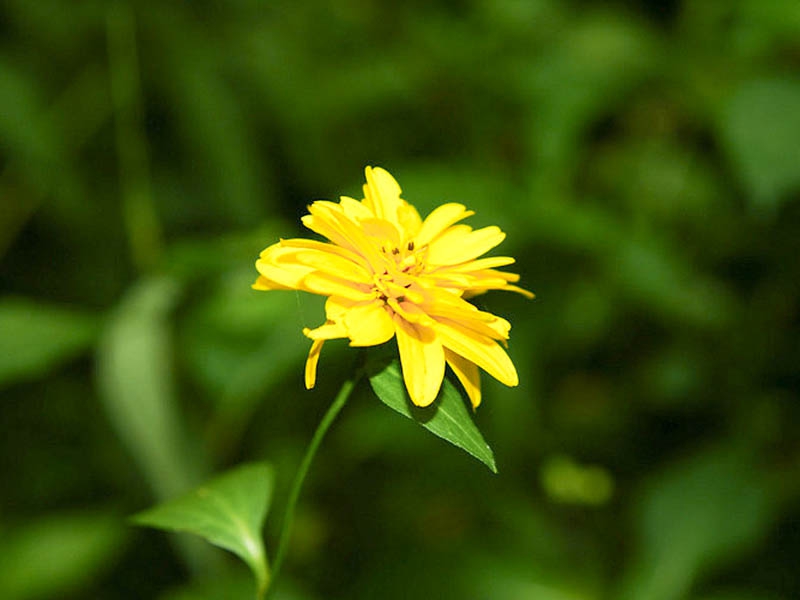
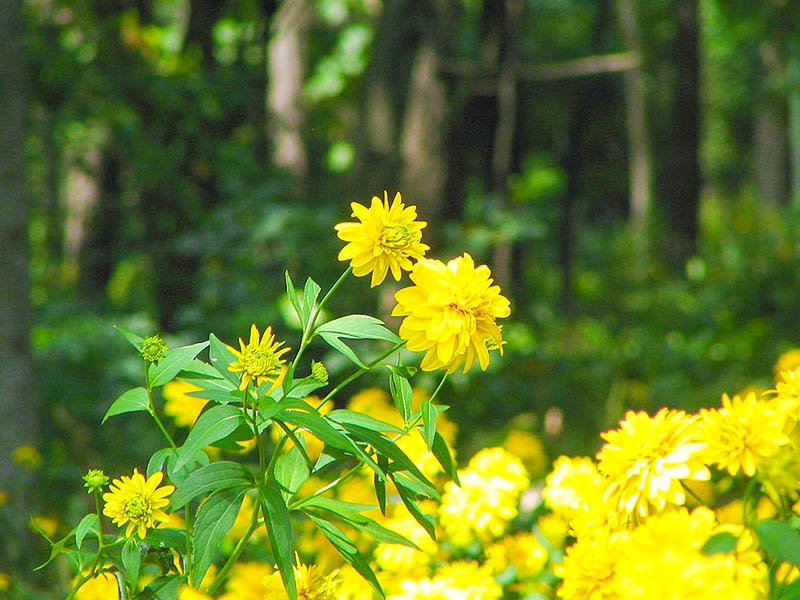
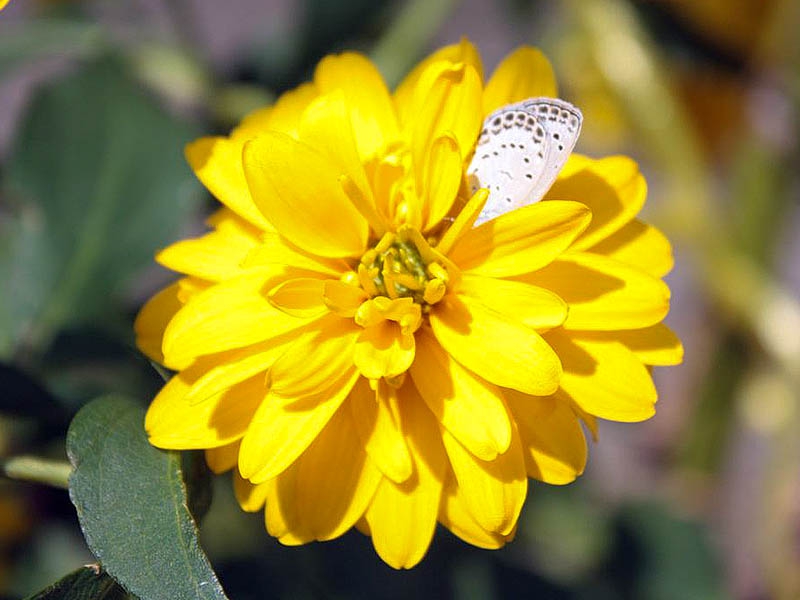
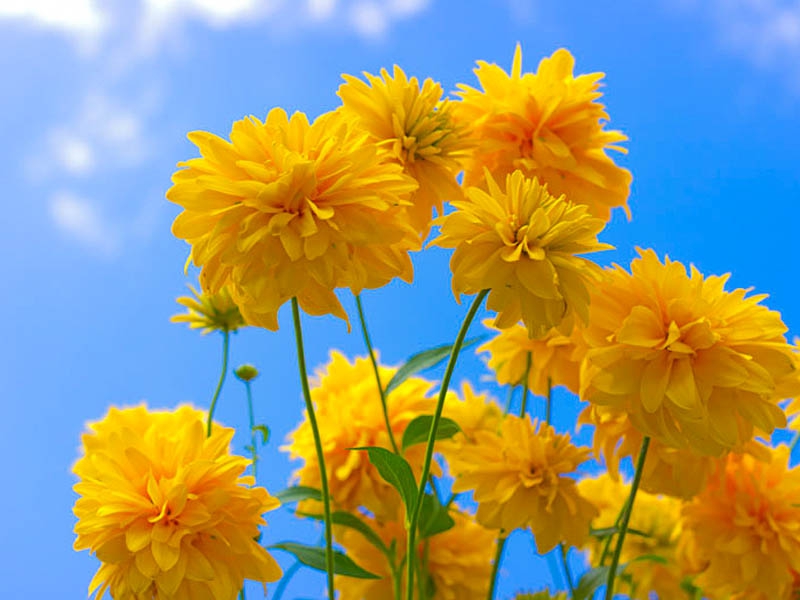
Chrysanthemum indicum raciniata var. hortensis is a popular plant among many gardeners due to its showy flowers and strong vitality. Below are the plant's growth characteristics, propagation methods, cultivation methods, garden uses, major pests and diseases, and control methods. Growth Characteristics - Growth Type: As a perennial herbaceous plant, it can grow to a height of over 1.5 meters. - Flowers: Abundant yellow flowers bloom from summer to autumn. - Leaves: It has deeply lobed leaves that are densely attached to the stem. - Environment: It thrives in sunny locations but can also grow in partial shade. Propagation Methods - Seeds: It can be propagated by sowing in spring or autumn. - Root Division: New plants can be created by dividing the roots in spring. - Cuttings: It can be propagated by cutting stems in summer. Cultivation Methods - Soil: It is important to plant in well-drained soil. - Watering: Maintain adequate moisture but avoid overwatering. - Fertilizer: Applying organic fertilizer during the flowering period is beneficial. Uses in the Garden - Background Plant: It is suitable as a background plant due to its tall stature and showy flowers. - Border Plant: It can be planted to form a border at boundary areas or along roadsides. Important Pests and Control Methods - Diseases: Powdery mildew may occur, so periodic observation and preventive control are necessary. - Control Methods: Ensure proper ventilation, and use pesticides when signs of disease appear. - Pests: Pests such as aphids may occur. - Control Methods: When pests are observed, use eco-friendly pesticides or biological control methods to resolve the issue. This information will help you manage Chrysanthemum rachiniata var. hortensis more effectively.
Plant Type
Plant Family
Asteraceae
Height
1~3m
Spread
Colors
yellow
Bloom Period
July to September
Water Needs
commonly
Exposure
Sunny
Freezing Resistance
-30°C
Original recommendation country
Rudbeckia bicolor
Rudbeckia 'Henry Ailers'
Rudbeckia subtomentosa 'Henry Eilers'