English
한국어
English
Español
中文
हिंदी
Home
News
Community
Dictionary
English
한국어
English
Español
中文
हिंदी
View list
Goldenrod
Rumex maritimus
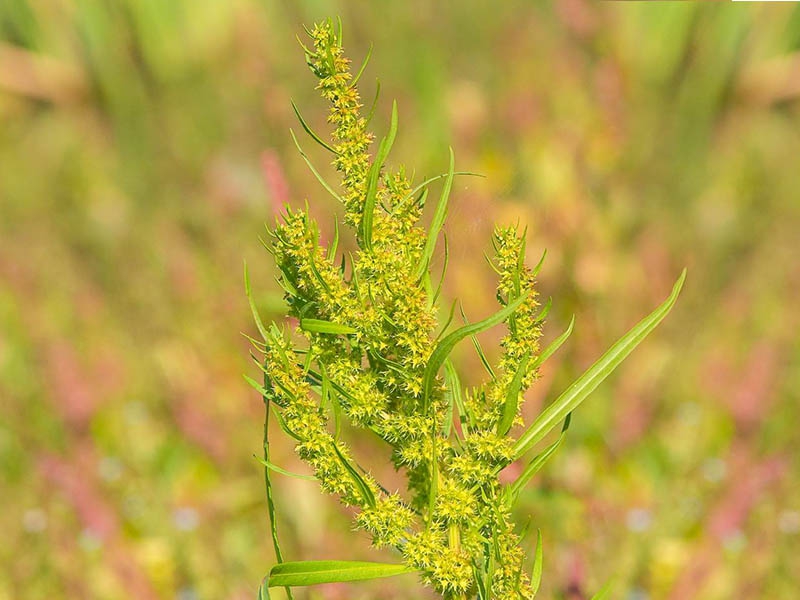
Rumex maritimus is a perennial plant that grows primarily in wetlands or waterside areas. Its growth characteristics, propagation methods, cultivation methods, garden uses, and major pests and diseases, as well as control methods, are described below. Growth Characteristics - Environment: It prefers moist soil and thrives in watersides or wetlands. - Sunlight: It can adapt to both partial shade and full sun. - Height: It typically grows to a height of 30 to 80 cm. Propagation Methods - Seeds: Propagation by seeds is common. Seeds can be sown directly into the ground or seedlings can be transplanted. - Division: Propagation can also be achieved by dividing mature plants. Cultivation Methods - Soil: Well-drained soil that retains moisture is suitable. - Watering: Water regularly to keep the soil consistently moist. - Fertilizer: While special fertilizers are not strictly necessary, organic fertilizers can be used to promote growth. Uses in the Garden - Ornamental: Dwarf daisies are used as ornamental plants in gardens due to their unique leaf colors and shapes. - Ecological Value: They help enhance ecosystem diversity when creating wetland gardens. Important Pests and Control Methods - Pests and Diseases: Generally, there are no major pests, but leaf insects may appear. - Control Methods: Natural control can be achieved using mild soapy water or insect repellents. In severe cases, professional pesticides may be used. Dwarf daisies maritimus grow well without special care and are a plant that can play a positive ecological role.
Plant Type
Plant Family
Polygonaceae
Height
30~60cm
Spread
Colors
green
Bloom Period
July~August
Water Needs
commonly
Exposure
Sunny
Freezing Resistance
-10°C
Luelia Britoniana
Ruellia brittoniana
Great yellow
Rumex longifolius