English
한국어
English
Español
中文
हिंदी
Home
News
Community
Dictionary
English
한국어
English
Español
中文
हिंदी
View list
Screw line
Ruppia cirrhosa
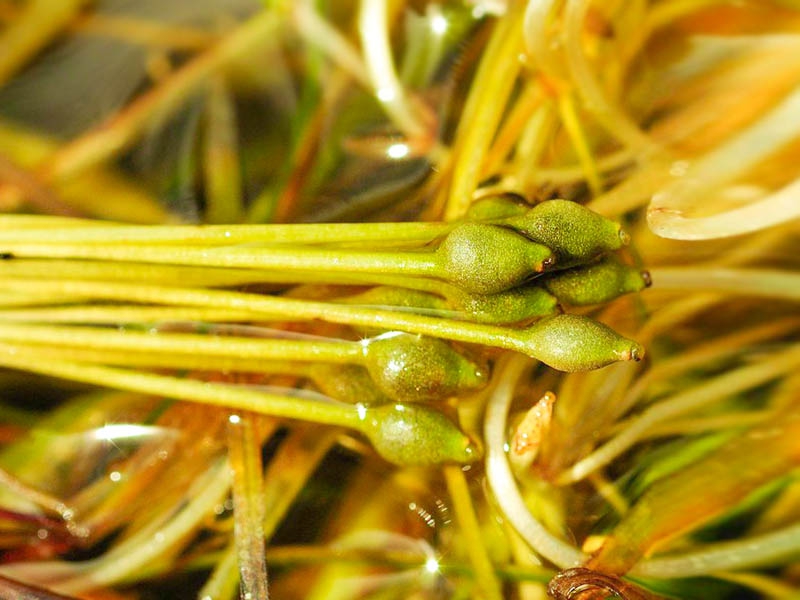
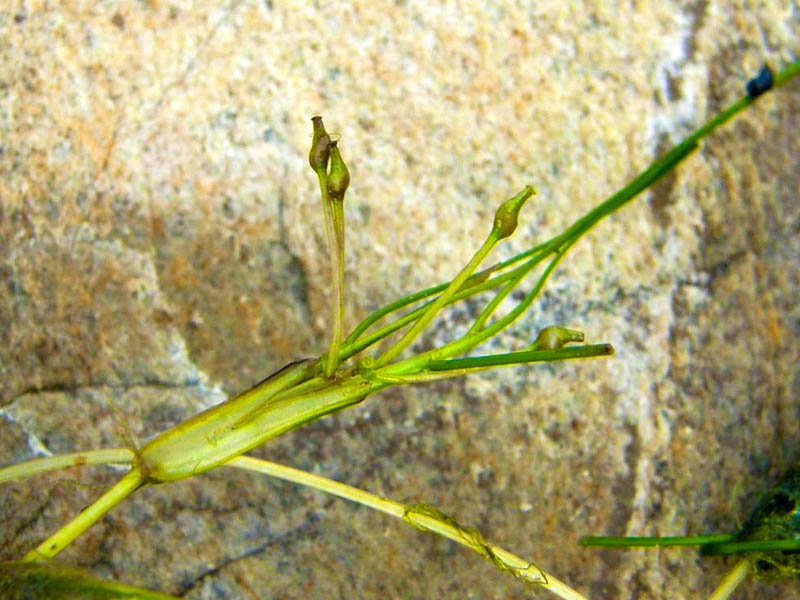
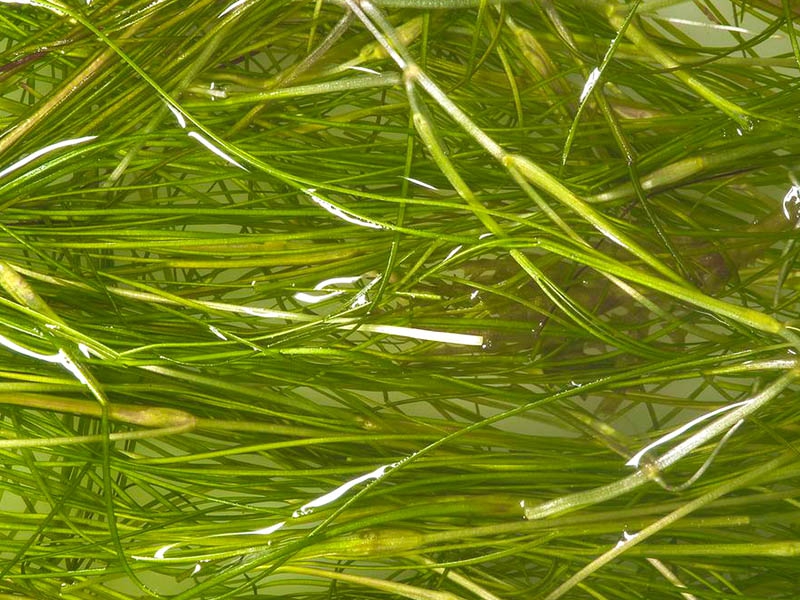
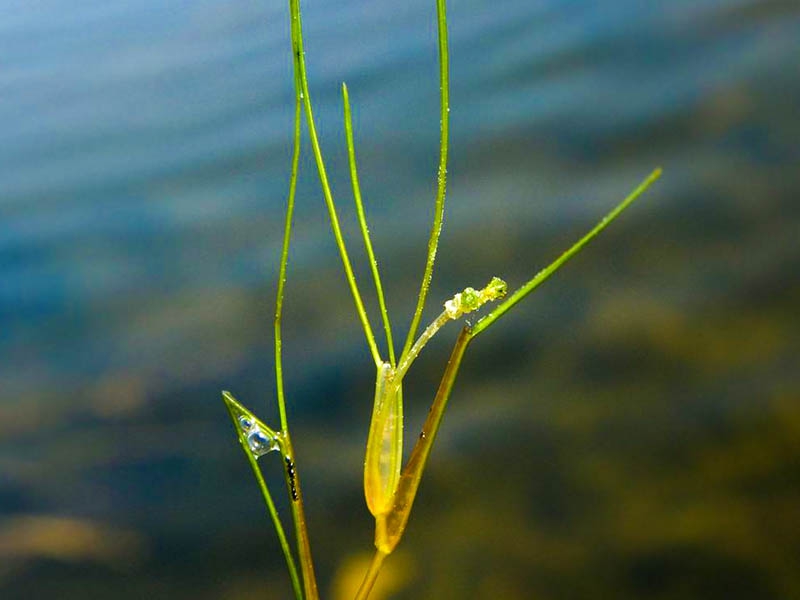
Ruppia cirrhosa is an aquatic plant that primarily grows in water, such as ponds, lakes, and rivers. The following describes the plant's growth characteristics, propagation methods, cultivation methods, garden uses, major pests and diseases, and control methods. - Growth Characteristics: - Ruppia cirrhosa is characterized by its slender leaves and stems and leaves that are twisted like a screw. - It thrives in clear water with a moderate temperature and can grow to depths of 1 to 2 meters. - It grows faster in well-lit areas. - Propagation Methods: - It is primarily propagated by seeds and roots. - Seeds germinate in water to grow into new plants, while roots spread sideways to form new individuals. - Cultivation Methods: - It requires an environment with clean water and good water quality. - When planting in garden ponds or artificial tanks, anchor the roots directly into the soil. - Place the plant in a location where it can receive sufficient sunlight. 4. Uses in the Garden: - It is used as a decorative element in garden ponds or water features. - It creates an aquatic ecosystem and is suitable as a habitat for fish and other aquatic plants. - Important Pests and Control Methods: - Although relatively resistant to pests, it may be susceptible to disease if the water is polluted. - It is important to remove organic matter from the water and maintain clean water quality. - If necessary, use water conditioners to manage water quality. If you wish to beautify your garden, consider Girhosa. This plant improves the aquatic environment and is visually appealing, making it a good fit for various garden designs.
Plant Type
Plant Family
Phlegm family
Height
5~55cm
Spread
Colors
White, green
Bloom Period
June to August
Water Needs
well
Exposure
Sunny
Freezing Resistance
-5°C
abbreviation
Ruppia maritima
Lucia (succulent) stricta
Ruschia stricta