English
한국어
English
Español
中文
हिंदी
Home
News
Community
Dictionary
English
한국어
English
Español
中文
हिंदी
View list
dog sugarcane
Saccharum spontaneum
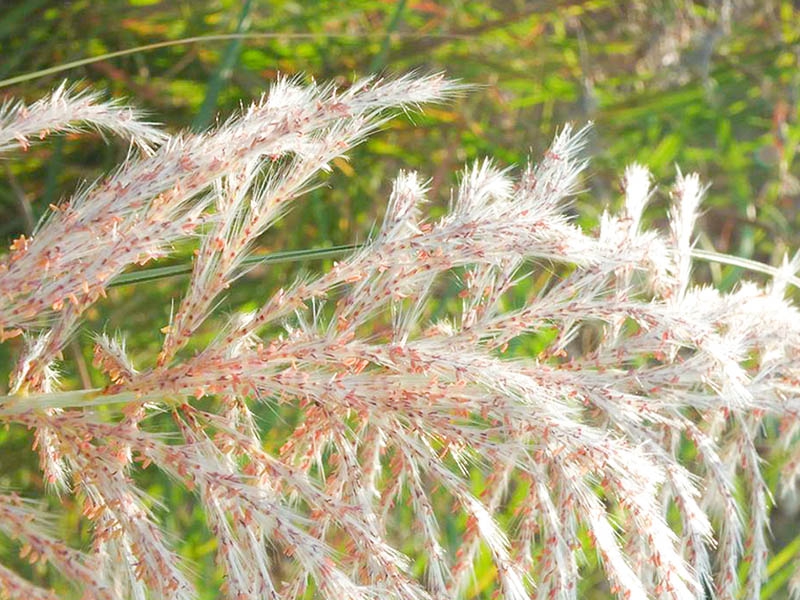
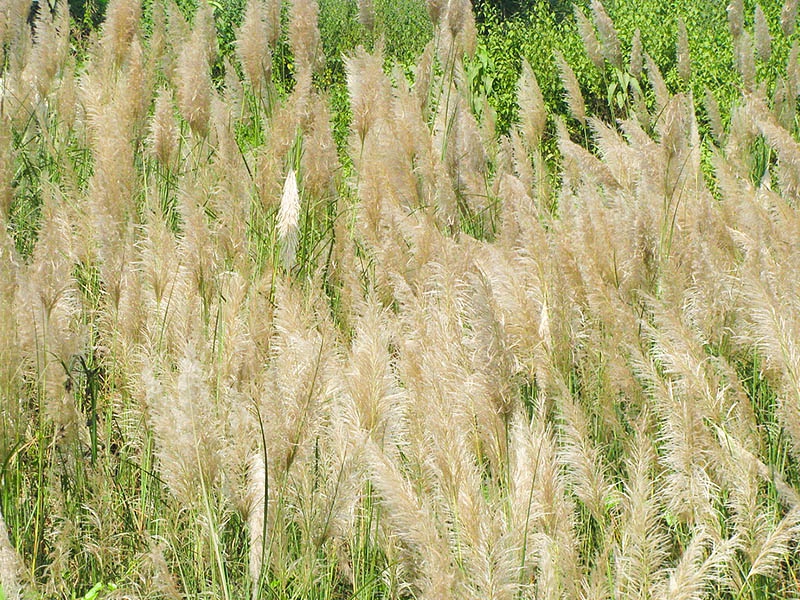
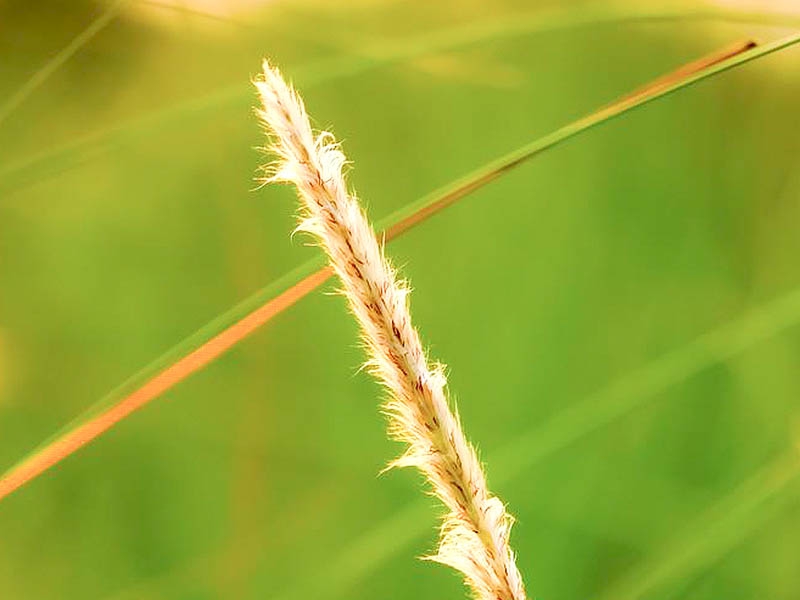
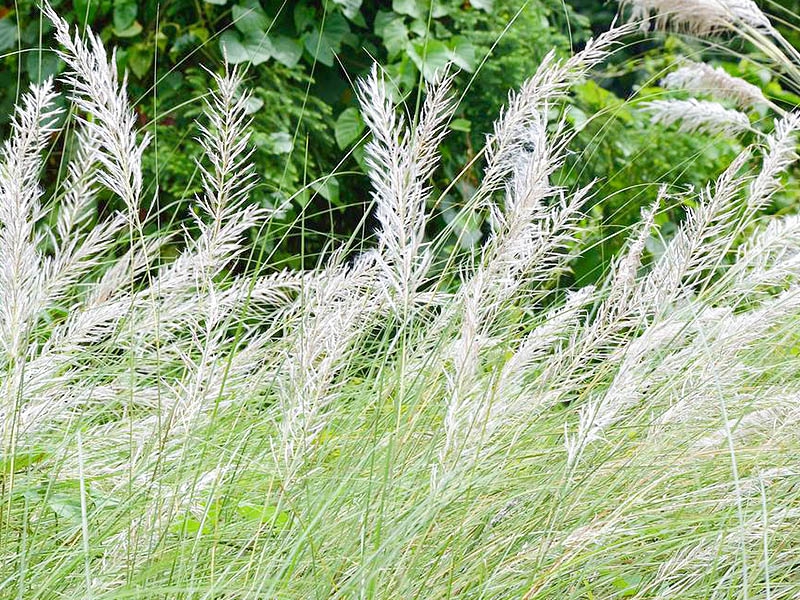
I will explain the growth characteristics, propagation methods, cultivation methods, garden uses, and major pests and control methods of Saccharum spontaneum. Growth Characteristics Saccharum spontaneum is a perennial herbaceous plant that thrives primarily in tropical and subtropical regions. It grows to a height of 2 to 4 meters and has deep roots, giving it high durability. It requires strong sunlight and sufficient water, and grows well in well-drained soil. It is known as a very hardy plant capable of withstanding both drought and flooding. Propagation Methods It is primarily propagated via rhizomes, which sprout new shoots in favorable surrounding environments. Propagation by seeds is also possible, but its reproductive capacity is relatively lower compared to rhizomes. Cultivation Methods - Soil Preparation: Well-drained soil is suitable, and it is important to enrich the soil by providing sufficient humus before planting. - Planting: Plant rhizomes at intervals of 30 to 40 cm. 3. Care: Regular watering and weed removal are required, and fertilizer should be applied periodically during the growing season. Uses in the Garden Candlewood is widely used as an ornamental plant in gardens. Its tall stature allows it to block wind and visual obstruction. Additionally, its silver, feather-like flowers add color to the plant, providing a spectacular landscape during the summer and autumn. Important Pests and Control Methods Candlewood is relatively resistant to pests and diseases, but the following issues may occur: - Diseases: Leaf blight may occur. To prevent this, ensure good drainage and maintain aeration around the plant. - Pests: Aphids may appear. In this case, they can be removed using soapy water or natural insecticides. Regular monitoring and proper care help grow healthy candlewood.
Plant Type
Plant Family
Poaceae
Height
3m
Spread
Colors
white
Bloom Period
August to October
Water Needs
commonly
Exposure
Sunny
Freezing Resistance
-10°C
dwarf palm
Sabal minor
sugarcane
Saccharum officinarum