English
한국어
English
Español
中文
हिंदी
Home
News
Community
Dictionary
English
한국어
English
Español
中文
हिंदी
View list
Sangdong tree
Sageretia thea
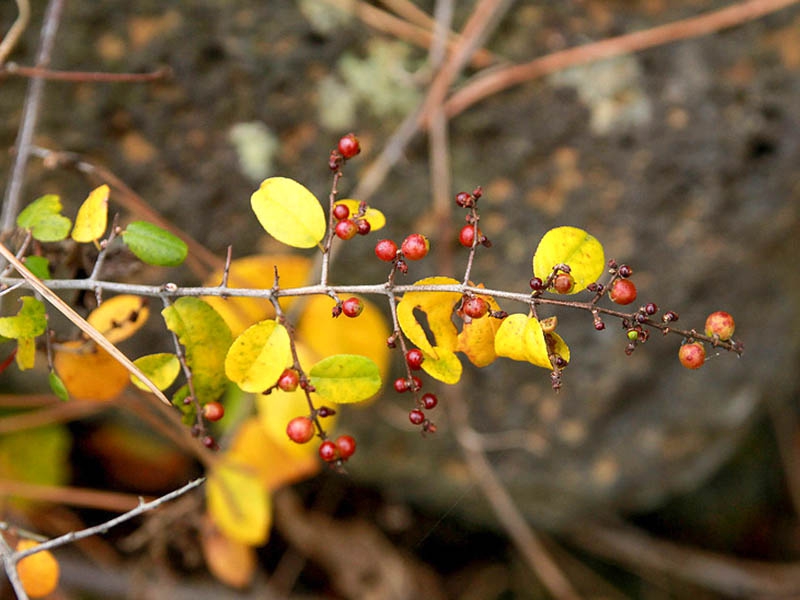
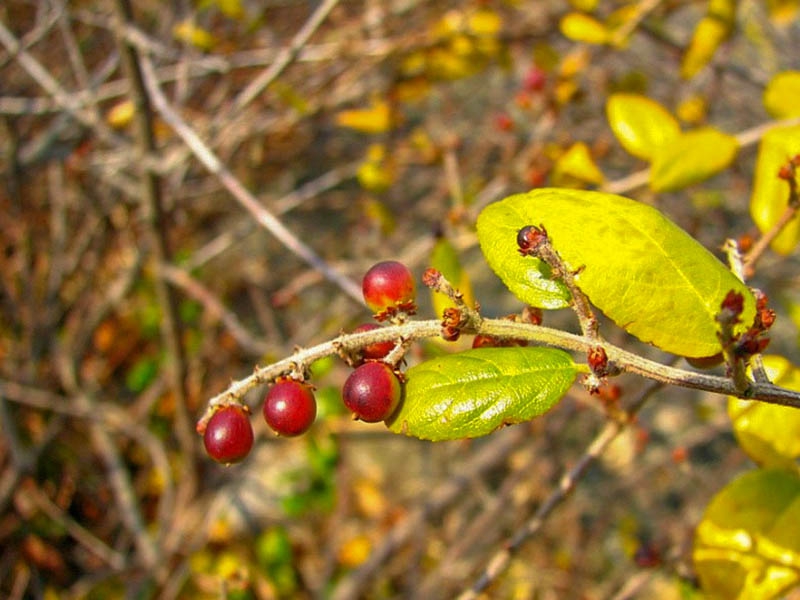
Growth Characteristics of Sageretia thea - Growing Environment: Sageretia thea prefers a warm climate and thrives in partial shade. Well-drained soil rich in organic matter is suitable. - Growth Rate: It grows relatively slowly, reaching a height of approximately 2 to 3 meters when mature. - Cold Hardiness: It is somewhat weak and is primarily planted in temperate climates. Propagation Methods - Seeds: Soak seeds in water for about a day, then mix with sand and sow. Germination takes 2 to 3 weeks. - Cuttings: It can be propagated by taking semi-hardwood cuttings in early spring or late summer. Promoting rooting in a slightly shaded area is beneficial. Cultivation Methods - Watering: It is important to avoid overwatering and maintain moderate humidity. Water when the soil is dry. - Fertilizer: During the spring and summer growing seasons, apply slow-release fertilizer every 4 to 6 weeks. - Pruning: Prune appropriately to maintain shape and promote air circulation. Uses in Gardens - Landscape Tree: The Japanese Styrax is suitable as a landscape tree due to its small, dense leaves, and is used for hedges or boundary planting. - Bonsai: It is also widely used as a bonsai due to its beautiful form. Important Pests and Diseases & Control Methods - Diseases: Root rot caused by excessive moisture may occur. Ensure good drainage and regulate watering. - Pests: Aphids and mites may occur. To prevent this, inspect the leaves regularly and use appropriate insecticides if damage is observed. - Eco-friendly Control Methods: Physically removing pests using water and soapy water, or using natural repellents, are also recommended.
Plant Type
Plant Family
Rhamnaceae
Height
2m
Spread
Colors
yellow, green
Bloom Period
October to November
Water Needs
commonly
Exposure
Sunny
Freezing Resistance
-10°C
Tamranan
Gastrochilus japonicus
Big Ant constellation
Sagina maxima