English
한국어
English
Español
中文
हिंदी
Home
News
Community
Dictionary
English
한국어
English
Español
中文
हिंदी
View list
Magnolia maxima f. longifolia
Sagina maxima
f.
longifolia
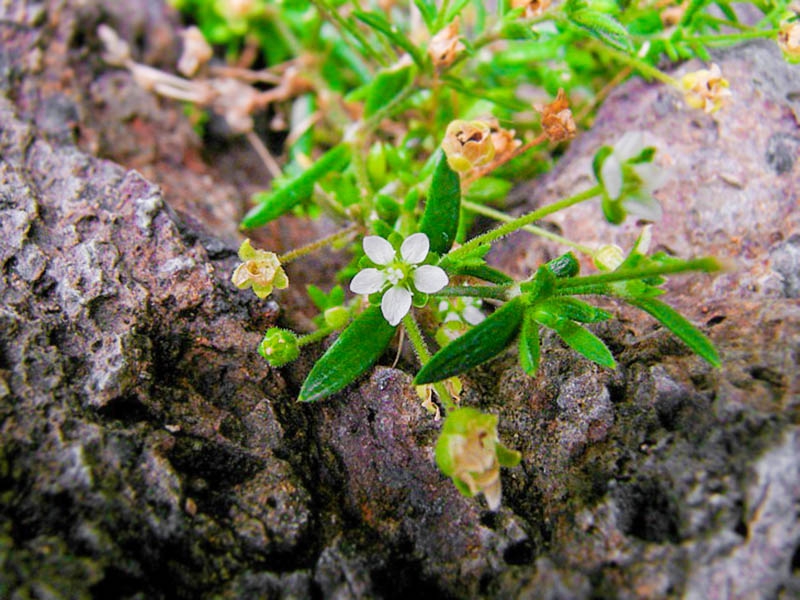
Sagina maxima f. longifolia is a widely used ornamental plant. The following describes its growth characteristics, propagation methods, cultivation techniques, garden uses, and major pests and diseases, as well as control methods. Growth Characteristics: Sagina maxima is a perennial herbaceous plant that thrives primarily in cool, humid environments. Its leaves are long and oval-shaped and light green. It generally grows well in sunny or semi-shaded locations and prefers well-drained soil. Propagation Methods: This plant can primarily be propagated by seeds, which are best sown in spring or autumn. Propagation by root division in early spring is also possible. Cultivation Methods: - Plant in well-drained soil. - Avoid overly dry environments and maintain adequate humidity by watering regularly. - Regularly remove weeds to promote plant growth. 4. If necessary, supply organic fertilizer to replenish nutrients. Uses in the Garden: Long-leaved giant sedge is primarily used as a ground cover. It is excellent for covering the ground in green spaces or as an accent plant in rock gardens. Its small white flowers add a fresh touch to the garden. Important Pests and Control Methods: Long-leaved giant sedge is relatively resistant to pests and diseases, but attention should be paid to the following issues: - Aphids: If detected early, wash them off with soapy water or control them using an appropriate insecticide. - Powdery Mildew: If a white powdery substance appears on the leaves, improve air circulation and use a sulfur-based control agent. Regular observation and care can minimize the occurrence of pests and diseases.
Plant Type
Plant Family
Caryophyllaceae
Height
5~25cm
Spread
Colors
white
Bloom Period
June~July
Water Needs
commonly
Exposure
Sunny
Freezing Resistance
-10°C
Ant's nest
Sagina japonica
Pearl Ant constellation
Sagina subulata