English
한국어
English
Español
中文
हिंदी
Home
News
Community
Dictionary
English
한국어
English
Español
中文
हिंदी
View list
walnut tree
Salix xerophila
f.
glabra
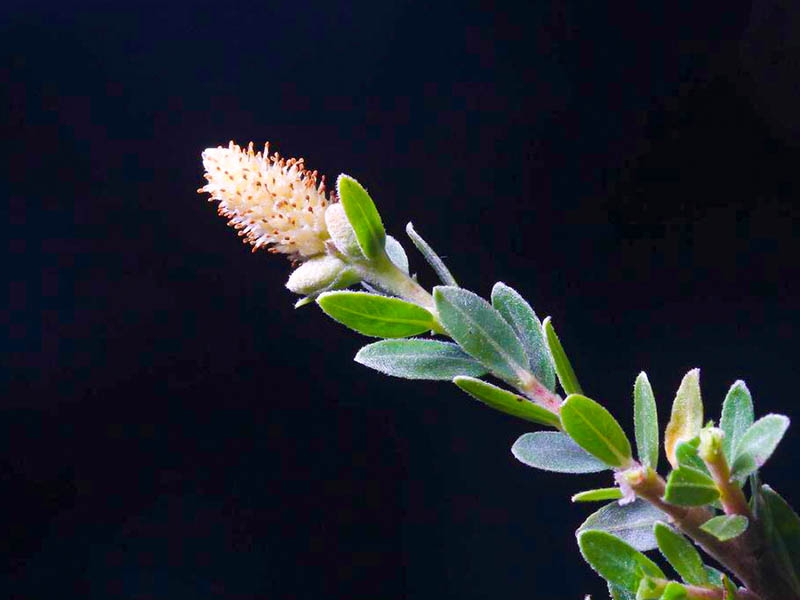
Salix xerophila f. glabra is a relatively rare plant, and I can explain its growth characteristics, propagation methods, and cultivation methods in detail. - Growth Characteristics: - Salix xerophila is a drought-tolerant plant that grows even in arid environments. - The leaves grow spaced apart along the stem and have a smooth, lanceolate shape. - Overall, it has a slow growth rate and high adaptability to the environment. - Propagation Methods: - It can be propagated primarily through cuttings and seeds. - Cuttings are best taken in early spring or autumn, and maintaining appropriate soil conditions and humidity is important. - Since the germination rate of seeds is low, it is effective to sow them after treating them with a germination-promoting agent. - Cultivation Methods: - It is best to cultivate it in a sunny location, but it can also grow in partial shade. - Well-drained and fertile soil is preferable, but it adapts to poor soil conditions. - Avoid watering too frequently; provide supplemental water only during dry periods. - Use in the Garden: - Due to its excellent drought tolerance, it is suitable for garden landscaping in dry regions. - It can be used as a boundary or screening tree, and its natural shape is attractive. - Major Pests and Control Methods: - It may be susceptible to leaf blight and fungal diseases, so prune branches to ensure good air circulation and maintain appropriate spacing. - Aphids and mites may occur as pests; if detected early, they can be controlled using soapy water or plant oil spray. With proper care using these methods, the Xerophylla f. glabra can establish itself as an attractive plant in the garden.
Plant Type
Plant Family
Willow family
Height
2~5m
Spread
Colors
yellow
Bloom Period
april
Water Needs
commonly
Exposure
Sunny
Freezing Resistance
-30°C
Tungtungmadi
Salicornia europaea
large mountain willow
Salix sericeo-cinerea