English
한국어
English
Español
中文
हिंदी
Home
News
Community
Dictionary
English
한국어
English
Español
中文
हिंदी
View list
large mountain willow
Salix sericeo-cinerea
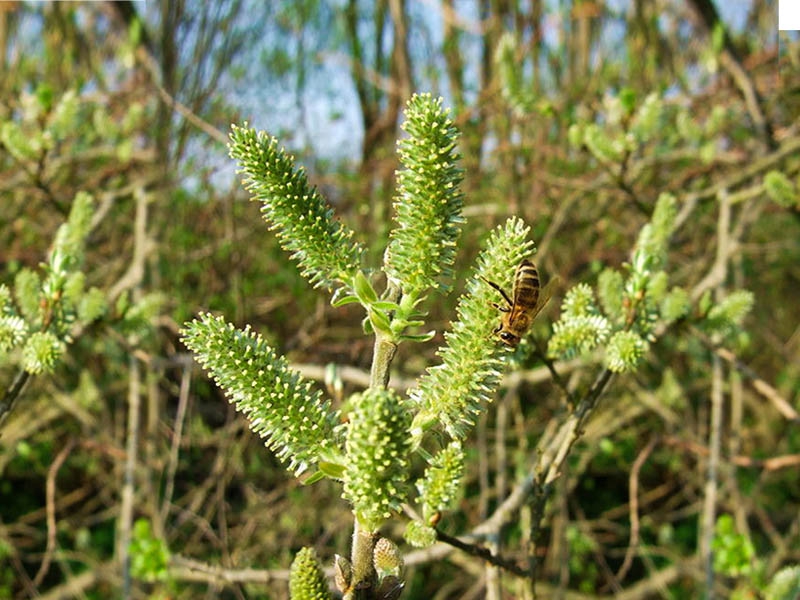
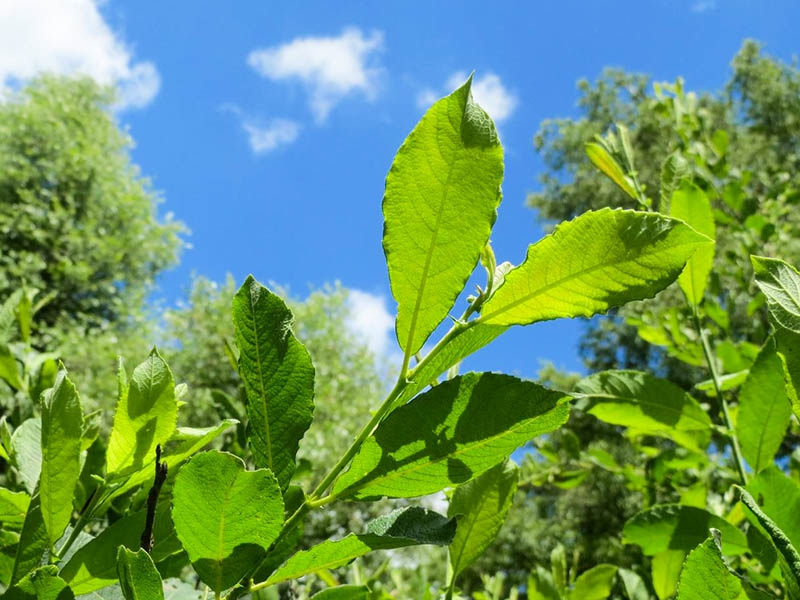
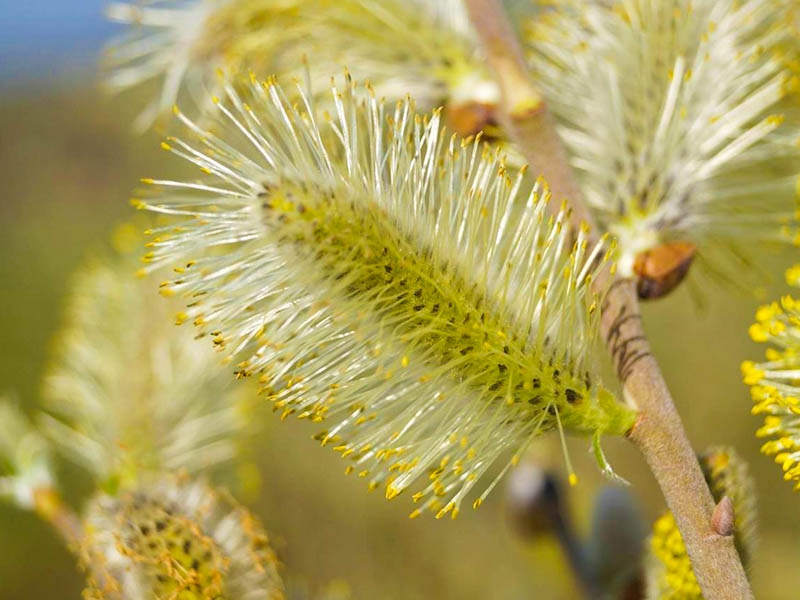
Salix sericeo-cinerea is a deciduous shrub that adapts well to various environmental conditions and thrives primarily in wetlands or along riverbanks. The following describes the plant's growth characteristics, propagation methods, cultivation techniques, garden uses, and major pests and diseases, as well as control methods. Growth Characteristics - Height and Width: Generally, it can grow up to 2 to 5 meters. - Leaves: The leaves are oval-shaped and hairy, giving them a soft texture. The upper part of the leaf is light green, while the lower part is silvery-gray. - Flowers: It blooms in early spring and is dioecious, meaning male and female flowers occur on separate individuals. Although the flowers are small and inconspicuous, they serve as an important resource for pollinators. Propagation Methods - Seeds: In the wild, propagation by seeds is the primary method; however, it is not a common method due to low germination rates. - Cuttings: Cuttings are the most common method of propagation. If you cut off a branch in spring or early summer and plant it in moist sand or soil, it will take root easily. Cultivation Method - Soil: Well-draining soil that can maintain consistent moisture is ideal. - Sunlight: It grows best with plenty of sunlight, but it can also adapt to partial shade. - Watering: Since it likes moisture, the soil must be kept consistently moist. It is especially important to water sufficiently during the growing season. Uses in the Garden - The Great Mountain Willow is useful for wetland landscaping, stream restoration projects, and environmental improvement such as fine dust prevention. Its silvery-gray leaves can provide a unique visual appeal in the garden. Important Pests and Control Methods - Diseases: It generally does not contract serious diseases, but root rot can occur if the soil is excessively wet. In such cases, it is important to improve drainage. - Pests: Aphids and longhorn beetles may occur; in severe cases, they should be removed manually or controlled using appropriate insecticides. Based on the information above, you can grow a healthy mountain willow with proper care and attention.
Plant Type
Plant Family
Willow family
Height
20~200cm
Spread
Colors
yellow
Bloom Period
April~May
Water Needs
commonly
Exposure
Sunny
Freezing Resistance
-30°C
walnut tree
Salix xerophila f. glabra
willow
Salix nummularia