English
한국어
English
Español
中文
हिंदी
Home
News
Community
Dictionary
English
한국어
English
Español
中文
हिंदी
View list
weeping willow
Salix pseudolasiogyne
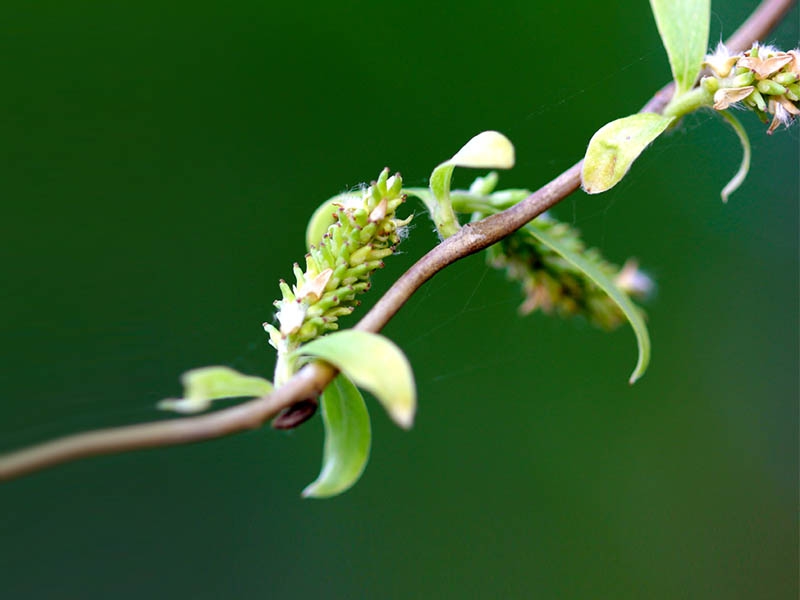
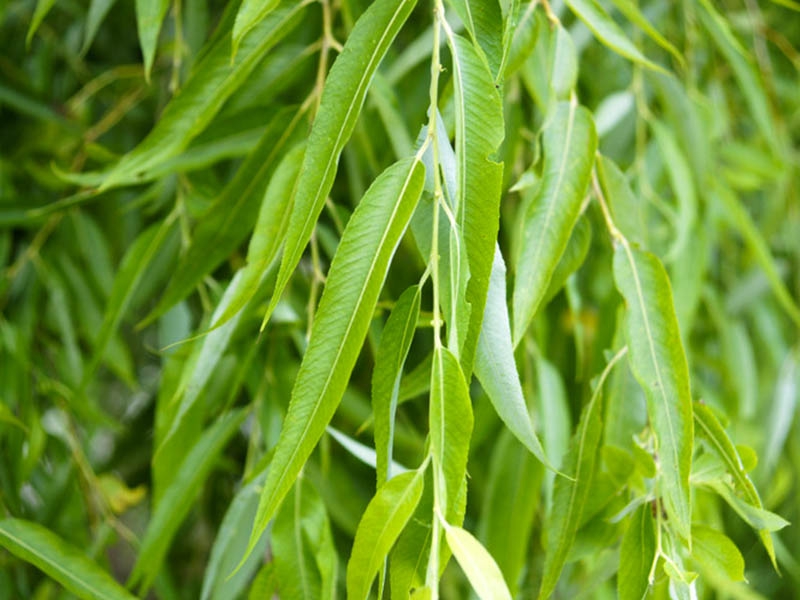
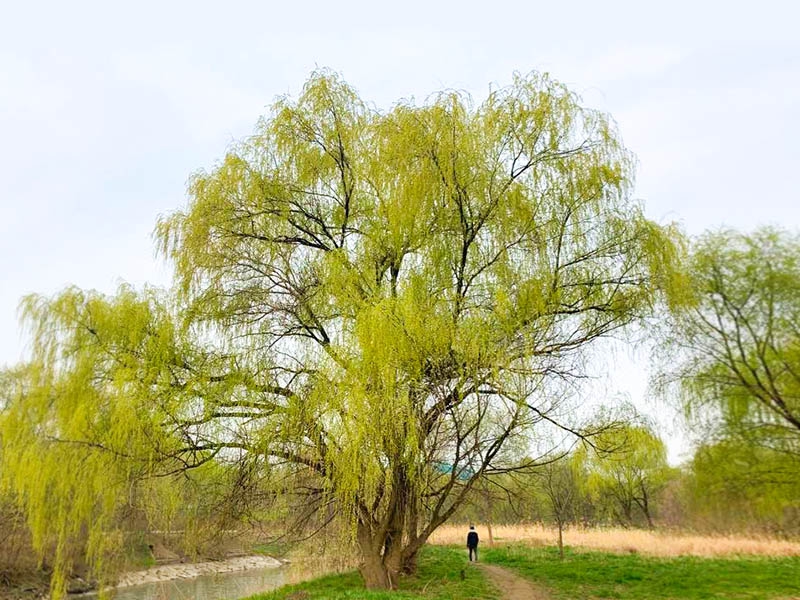
Growth Characteristics of Salix pseudolasiogyne Weeping willows thrive primarily in humid environments and prefer moist soil. They exhibit a rapid growth rate and provide optimal growing conditions in environments with ample sunlight. Propagation Methods Weeping willows are mainly propagated by cuttings. In early spring or late autumn, cut healthy branches and plant them in water or soil, tending to them until roots develop. Once roots have formed, transplant them to the desired location. Cultivation Methods Plant in a sunny location and ensure sufficient moisture. Particular care should be taken during the early growth stages, as water deficiency can hinder development. Cultivate in well-drained soil and apply basic fertilizers to promote growth. Uses in Gardens Weeping willows are widely used in gardens and parks as ornamental trees. Their distinctive shape, with branches drooping downwards, makes them effective for landscape enhancement. Placing them near water allows for the enjoyment of even more beautiful scenery. Major Pests and Diseases and Control Methods Generally, rust and leaf beetles can damage weeping willows. Rust can be prevented by paying attention to periodic leaf observation and ventilation; if it has already occurred, use an appropriate crop protection agent. Leaf beetles can be physically removed, and pest control agents can be applied if necessary. Regular inspection and maintenance are important.
Plant Type
Plant Family
Willow family
Height
20m
Spread
Colors
yellow
Bloom Period
april
Water Needs
commonly
Exposure
Sunny
Freezing Resistance
-30°C
willow
Salix nummularia
willow
Salix matsudana f. tortuosa