English
한국어
English
Español
中文
हिंदी
Home
News
Community
Dictionary
English
한국어
English
Español
中文
हिंदी
View list
Rice willow
Salix hallaisanensis
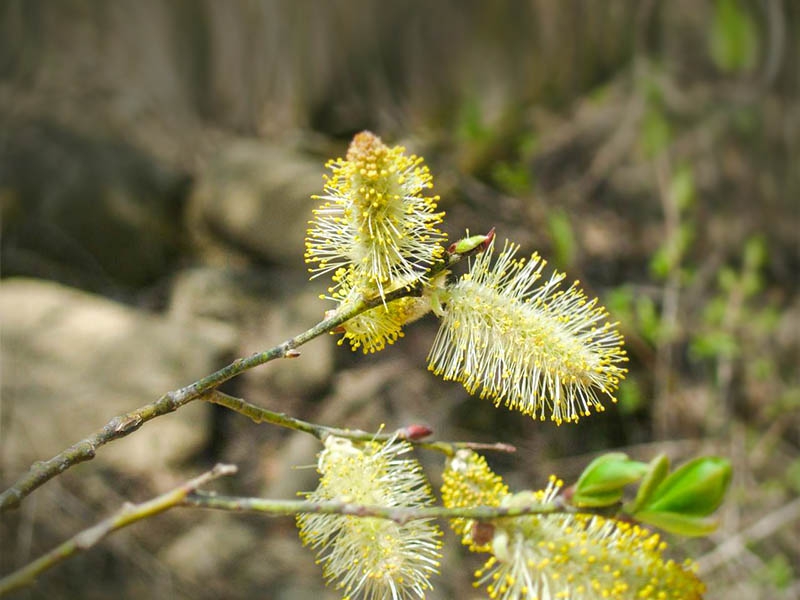
Salix hallaisanensis is a deciduous shrub belonging to the willow family, native to Jeju Island and Ulleungdo in Korea. The following is information regarding its growth characteristics, propagation methods, cultivation methods, garden uses, major pests and diseases, and control methods. Growth Characteristics - Habitat: It mainly grows in moist areas along rivers, streams, or wetlands. - Growth Pattern: It is easy to cultivate due to its rapid growth rate. - Height: Mature trees can grow up to approximately 3 to 5 meters. Propagation Methods - Cuttings: Cuttings taken in the spring root relatively easily. - Seeds: Seeds are also frequently used due to their high germination rate, but they may require more time and effort compared to cuttings. Cultivation Methods - Soil: Well-drained soil that retains moisture is ideal. - Sunlight: It thrives in sunny locations, but can grow to some extent in partial shade. - Watering: Water thoroughly while growing, but care must be taken to prevent root rot. Uses in the Garden - Landscaping: Due to its rapid growth, it is useful as a hedge or shade tree. It is also used as a landscape plant. - Wetland Gardens: Suitable for decorating wetlands or watersides. Important Pests and Control Methods - Diseases: It is susceptible to fungal diseases; to prevent this, maintain a well-ventilated environment and use fungicides if necessary. - Pests: Pests such as aphids and moths may occur. In such cases, use appropriate pesticides or consider biological control using natural enemies. Salvia halaisanensis is a plant that adapts well to its environment and is relatively easy to care for, making it a useful plant for gardens.
Plant Type
Plant Family
Willow family
Height
6m
Spread
Colors
yellow
Bloom Period
April~May
Water Needs
commonly
Exposure
semi-shaded area
Freezing Resistance
-30°C
willow
Salix pierotii
willow
Salix gracilistyla