English
한국어
English
Español
中文
हिंदी
Home
News
Community
Dictionary
English
한국어
English
Español
中文
हिंदी
View list
tiger willow
Salix caprea
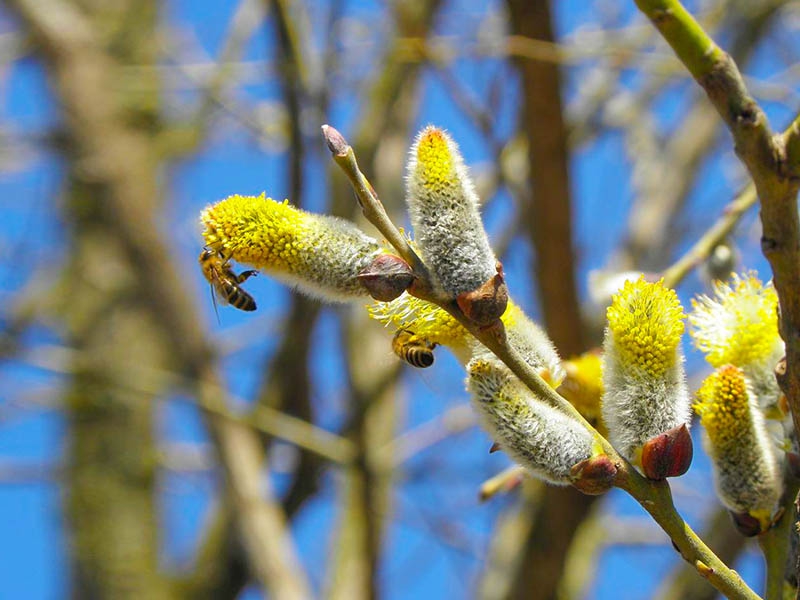
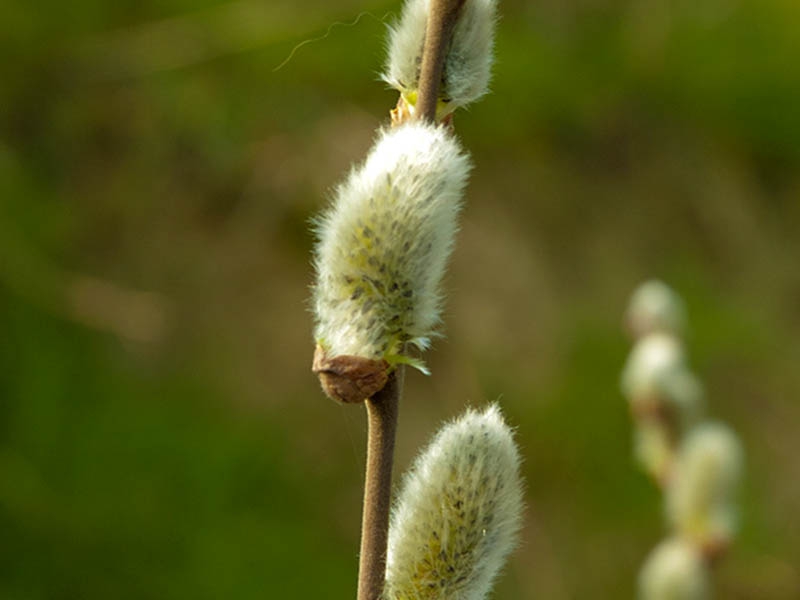
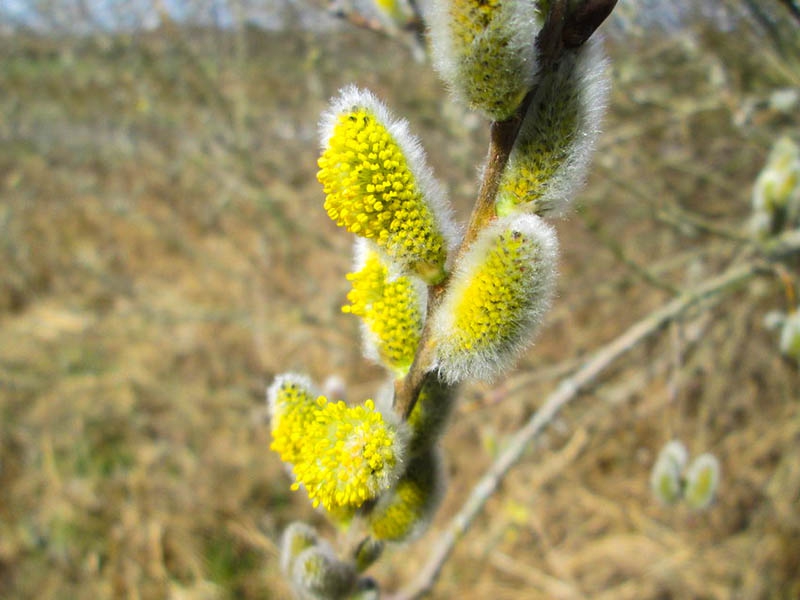
I will explain the growth characteristics, propagation methods, cultivation methods, garden uses, major pests and diseases, and control methods of Salix caprea. Growth Characteristics Salix caprea is a deciduous shrub or small tree native primarily to Europe and Asia. It grows to a height of 6 to 12 meters, and its leaves are round with serrated edges. In spring, yellow or silver flowers bloom. It grows relatively well even in cold climates and prefers locations with plenty of sunlight. Propagation MethodsSalix caprea can mainly be propagated by seeds or cuttings. Seeds are collected in the autumn and sown in early spring. Cuttings, which involve cutting mature branches in the summer and planting them, have a high success rate. Cultivation Methods It prefers well-drained soil and thrives in locations that are moist but well-drained. It does not grow well in overly dry places, so care must be taken with watering. Regular pruning helps maintain its beautiful shape. Use in the Garden Willows serve as a source of visual beauty and habitat. In gardens, they are suitable for planting as hedges or ornaments and blend well with other plants. Spring flowers attract bees, helping the ecosystem. Major Pests and Diseases and Control Methods While tiger willows are relatively hardy, they can be susceptible to several major pests and diseases. - Diseases: These include rust and brown spot, which primarily cause spots or discoloration on the leaves. Remove diseased leaves and use appropriate fungicides if necessary. - Pests: Aphids, butterfly larvae, and willow moths are common and feed on leaves and new shoots. It is recommended to inspect the plants regularly and, upon discovery, use organic insecticides or remove them by hand. By following the control methods above, you can prevent pests and diseases and grow healthy tiger willows.
Plant Type
Plant Family
Willow family
Height
5~6m
Spread
Colors
yellow
Bloom Period
April~May
Water Needs
commonly
Exposure
semi-shaded area
Freezing Resistance
-20°C
King willow
Salix chaenomeloides
Berberis japonica
Salix berberifolia