English
한국어
English
Español
中文
हिंदी
Home
News
Community
Dictionary
English
한국어
English
Español
中文
हिंदी
View list
willow
Salix rorida
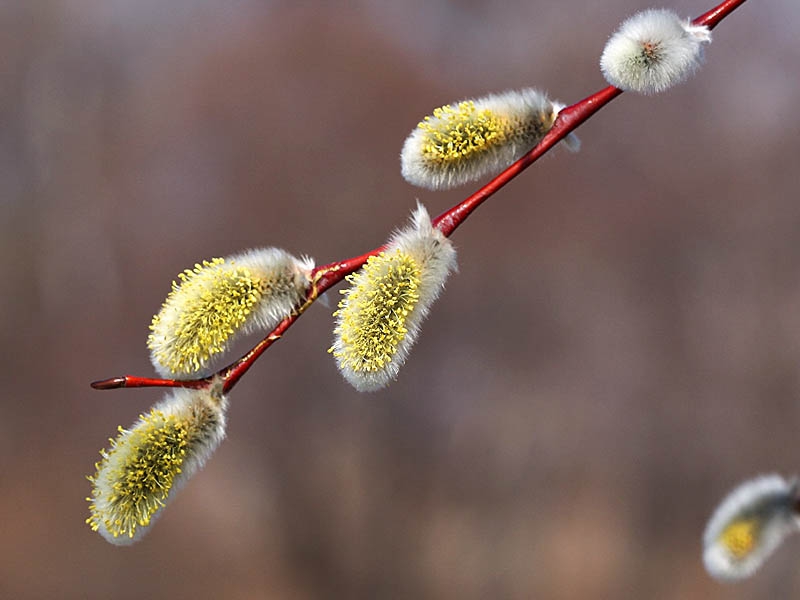
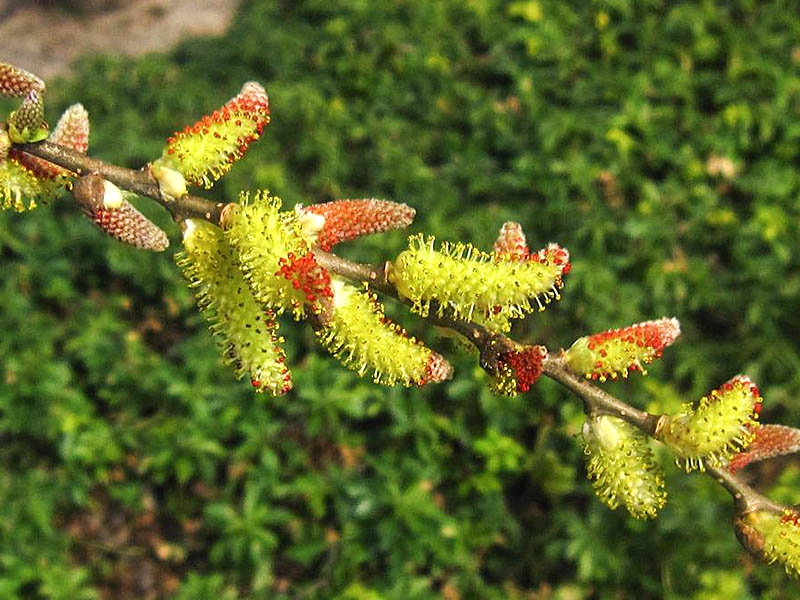
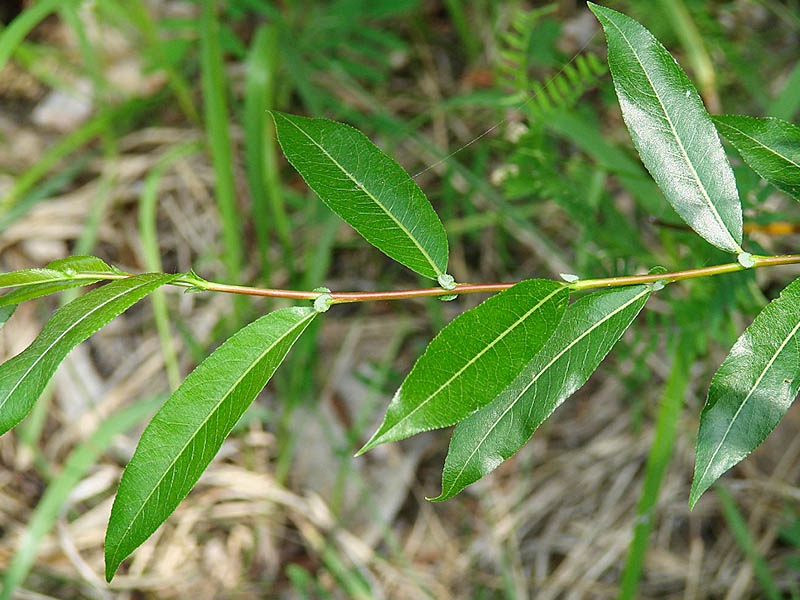
Growth Characteristics of Salix rorida Salix rorida is a deciduous broad-leaved shrub belonging to the Salicaceae family, primarily distributed in Siberia and the Far East. This plant thrives in wetlands and along riverbanks, reaching a height of approximately 1.5 to 3 meters. Its young branches display a reddish hue, providing a beautiful landscape. Propagation Methods Salix rorida is mainly propagated by cuttings or seeds. Cuttings are best taken in spring and autumn, and maintaining sufficient moisture is crucial. For seed propagation, sowing mature seeds immediately after collection increases the germination rate. Cultivation Methods Salix rorida grows well in sunny locations and moist soil. After planting, it is essential to provide ample water to ensure the roots establish properly. Additionally, it is important to manage the soil to ensure good drainage by incorporating sufficient organic matter. Use in Gardens Willow lorida is an excellent choice for planting, especially around wetlands or ponds in gardens or parks. It is highly popular as a landscape plant due to the beautiful contrast between its red branches and green leaves. It can also be utilized in creating natural ecological gardens. Important Pests and Control Methods Willow lorida is relatively resistant to pests and diseases, but it can be susceptible to soft rot or anthracnose. Prevention and control can be achieved by promptly removing diseased parts and spraying with appropriate fungicides. Aphids are a common pest; to control them, you can use soap solutions or eco-friendly insecticides. Additionally, it is recommended to ensure adequate ventilation and sunlight to boost the plant's immunity.
Plant Type
Plant Family
Willow family
Height
10∼15m
Spread
30cm
Colors
white
Bloom Period
March
Water Needs
commonly
Exposure
Sunny
Freezing Resistance
-30°C
Small willow
Salix rorida var. roridaeformis
Danki willow
Salix miyabeana