English
한국어
English
Español
中文
हिंदी
Home
News
Community
Dictionary
English
한국어
English
Español
中文
हिंदी
View list
weeping willow
Salix dependens
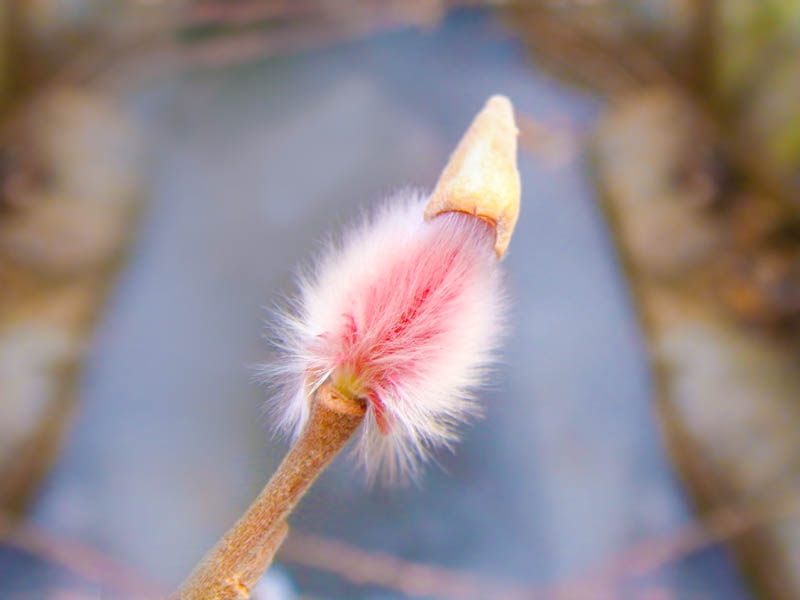
Salix dependens has the following growth characteristics, propagation methods, cultivation methods, garden uses, and information on important pests and diseases and control methods. Growth Characteristics: Salix dependens is a fast-growing deciduous broad-leaved tree that generally prefers moist environments. It can grow up to 10 meters in height and is characterized by its drooping branches. It typically thrives near rivers or wetlands. Propagation Methods: This plant can primarily be propagated by cuttings or seeds. Cuttings are taken by cutting branches in spring or early summer, while seed propagation can be carried out by sowing seeds harvested in autumn in early spring. Cultivation Methods: Salix dependens requires well-drained soil and sufficient sunlight. When planting, leave ample space, and water frequently. Care must be taken to prevent the soil from drying out, especially during the summer. Garden Uses: This plant is useful for creating a natural landscape in the garden. In particular, planting it near water or ponds can enhance the beautiful scenery. It is suitable as an ornamental tree and also serves to provide shade. Important Pests and Control Methods: Willow weeping willow (Willow dependens) can be susceptible to pests such as leaf blight, aphids, and butterfly larvae. Since leaf blight is mainly caused by excessive moisture, it can be controlled by paying attention to drainage and using fungicides. Aphids and butterfly larvae can be controlled using soapy water or insecticides upon early detection. It is important to observe the plant regularly and take preventive measures before pests occur. Based on this information, you can effectively manage your weeping willow (Willow dependens).
Plant Type
Plant Family
Willow family
Height
20m
Spread
Colors
yellow
Bloom Period
april
Water Needs
commonly
Exposure
Sunny
Freezing Resistance
-30°C
Twin silver willows
Salix divaricata
Hairy king willow
Salix chaenomeloides var. pilosa