English
한국어
English
Español
中文
हिंदी
Home
News
Community
Dictionary
English
한국어
English
Español
中文
हिंदी
View list
Weeping willow 'Tortua'
Salix babylonica
var.
pekinensi
'Tortuosa'
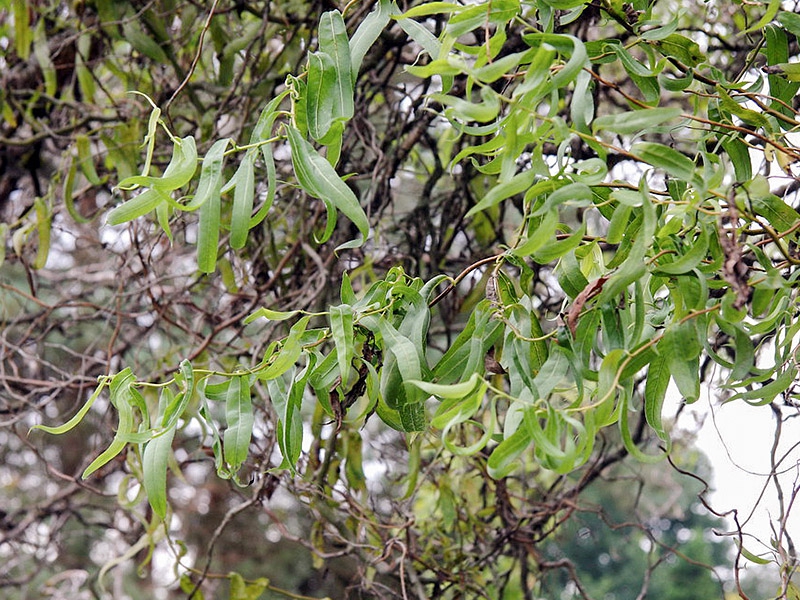
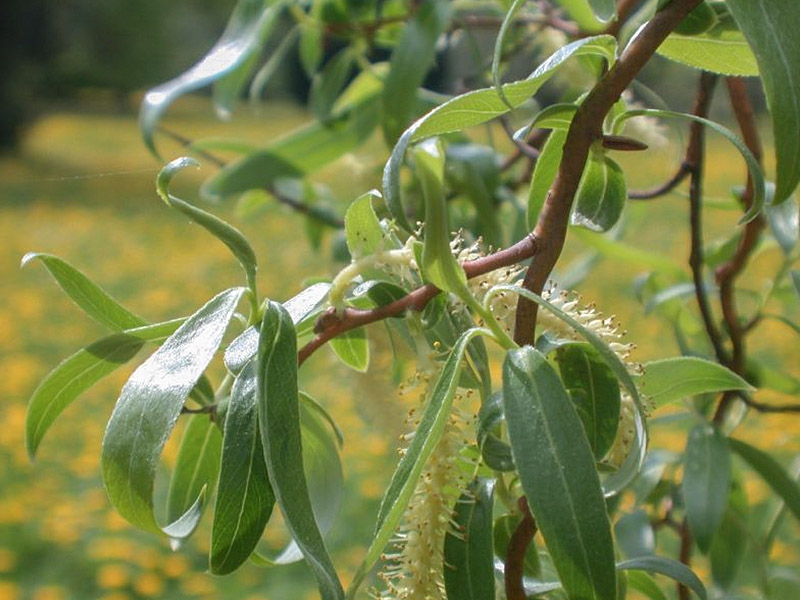
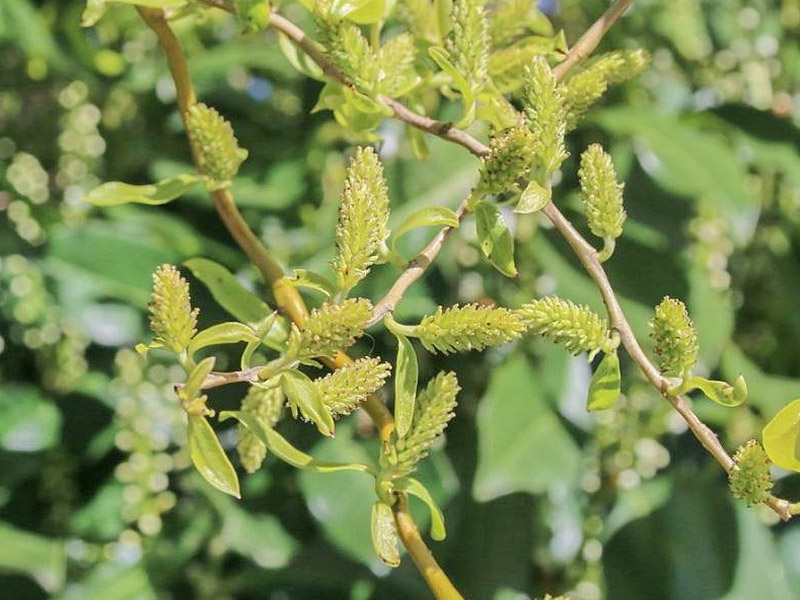
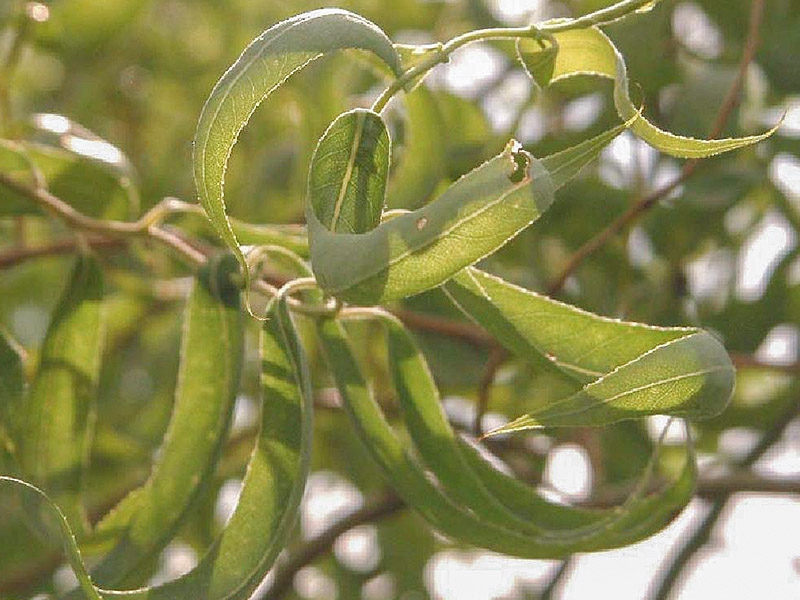
The weeping willow 'Tortuosa' (Salix babylonica var. pekinensis 'Tortuosa') is an ornamental tree characterized by its unique branch and leaf shapes, making it a plant many people wish to plant in their gardens. The following is information regarding this tree's growth characteristics, propagation methods, cultivation techniques, garden uses, and important pests and diseases and control methods. Growth Characteristics - Form: This tree is particularly distinguished by its curved branches and wavy leaves, providing a more effective visual element than the common weeping willow. - Growth Rate: It grows relatively quickly and reaches a moderate size. - Environmental Requirements: It prefers humid environments but can adapt to various soil conditions. It grows best in sunny locations. Propagation Methods - Cuttings: As the most common propagation method, branches can be cut and placed in water or planted in moist soil to allow them to root. - Seeds: While propagation by seeds is possible, cuttings are primarily used because mutations can occur. Cultivation Methods - Planting: Plant in well-draining soil and water thoroughly before planting. - Watering: Water sufficiently during the early growing season, but avoid overwatering once it reaches maturity. - Pruning: Cut branches as needed to shape them into the desired form. Garden Uses - Landscape Creation: Its unique shape makes it a focal point in the garden. - Shade Provision: It provides shade, which can be used for other plants or as a resting area. Important Pests and Control Methods - Aphids: Invade leaves and buds to suck sap. They can be controlled using soapy water or insecticides. - Leaf Rust: Forms green spots on the leaf surface. Remove affected parts and use appropriate fungicides if necessary. - Fungi: A disease that can occur in wet environments; prevention and control are achieved by maintaining proper ventilation and a dry environment. This plant is relatively easy to care for and, thanks to its unique appearance, can be a prominent landscape element in the garden. With careful management, it can be kept in a healthy state.
Plant Type
Plant Family
Willow family
Height
6~9m
Spread
3~4.5m
Colors
yellow, green
Bloom Period
March to August
Water Needs
commonly
Exposure
Sunny
Freezing Resistance
-30°C
black willow
Salix gracilistyla 'Melanostachys'
White willow 'Yeverton'
Salix alba var. vitellina 'Yelverton'