English
한국어
English
Español
中文
हिंदी
Home
News
Community
Dictionary
English
한국어
English
Español
中文
हिंदी
View list
sage
Salvia officinalis
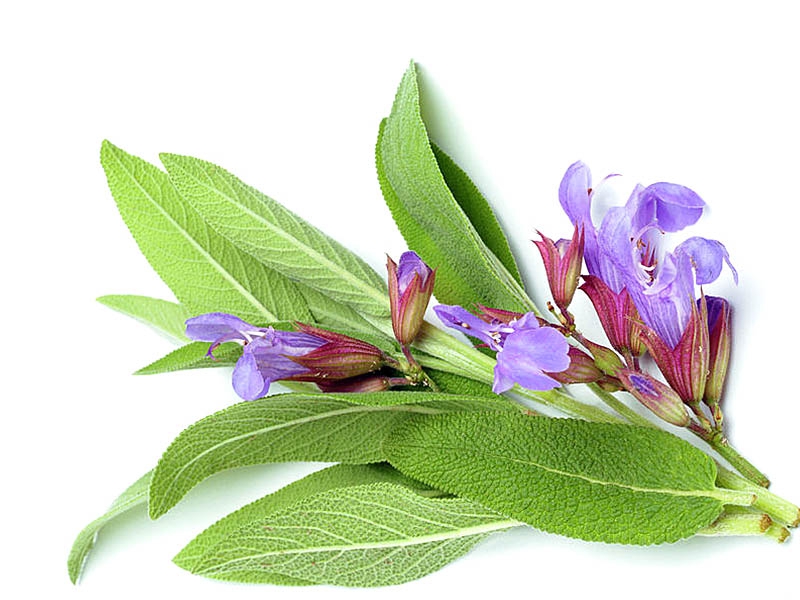
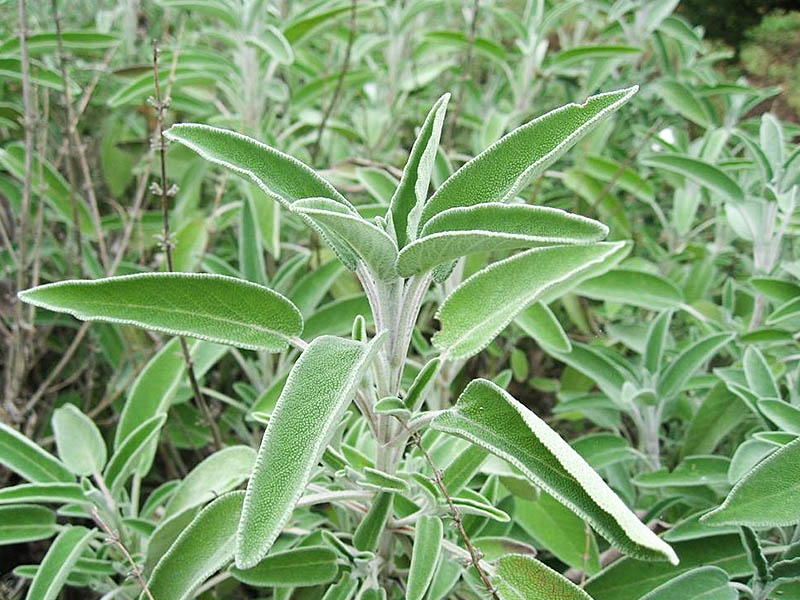
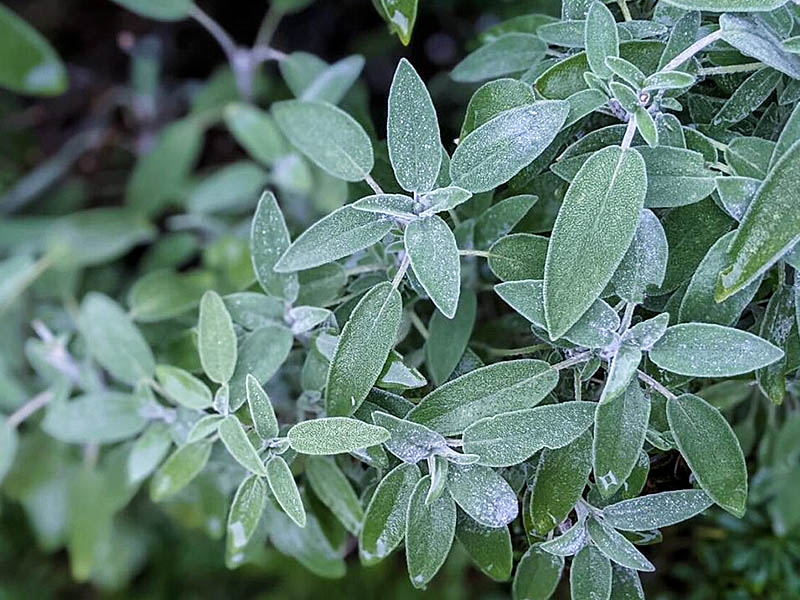
I will explain the growth characteristics, propagation methods, cultivation methods, garden uses, and major pests and diseases and control methods of Salvia officinalis. Growth Characteristics Salvia officinalis is a perennial herb native to the Mediterranean region, growing to a height of approximately 30 to 60 cm. It features silvery-gray leaves, and its flowers, which bloom in shades of light purple to purple during the summer, attract attention. It prefers warm, dry climates and thrives in sunny locations. Propagation Methods Sage is primarily propagated by seeds, cuttings, and division. - Seeds: Propagate by germinating seeds indoors in the spring or sowing them in a specially prepared seed box. - Cuttings: In the summer, cut newly grown stems and plant them in water or directly in soil to encourage rooting. - Division: Carefully divide mature plants that have finished growing and plant them in a new location. Cultivation Methods Sage thrives in well-drained soil; water thoroughly when the soil becomes dry. It is important to avoid overwatering. In the spring, it is beneficial to apply a small amount of fertilizer low in nitrogen. In the summer, prune the plant after flowering to shape it and promote new growth. Garden Uses In the garden, sage is frequently used as a herb border, an ornamental border plant, and a background plant for flower beds. Its silvery-gray leaves pair well with flowers of other colors. It can be used for culinary and medicinal purposes, as well as for adding flavor to dishes or as a spice. Important Pests and Control Methods - Diseases: Sage is susceptible to fungal diseases such as powdery mildew. Prevent this by planting in a well-ventilated location and minimizing contact with water on the leaves. - Pests: Pests such as aphids and whiteflies can damage sage. Inspect the leaves periodically and control them using soapy water or natural insecticides. To reduce the occurrence of pests and diseases, it is important to strictly adhere to basic cultivation practices, such as using healthy plants, watering properly, and pruning regularly.
Plant Type
Plant Family
Lamiaceae
Height
60∼90cm
Spread
Colors
red
Bloom Period
May to October
Water Needs
commonly
Exposure
Sunny
Freezing Resistance
-10°C
Clarice
Salvia sclarea
Salvia miltiorrhiza
Salvia miltiorrhiza