English
한국어
English
Español
中文
हिंदी
Home
News
Community
Dictionary
English
한국어
English
Español
中文
हिंदी
View list
Salvia pachyphila
Salvia pachyphylla
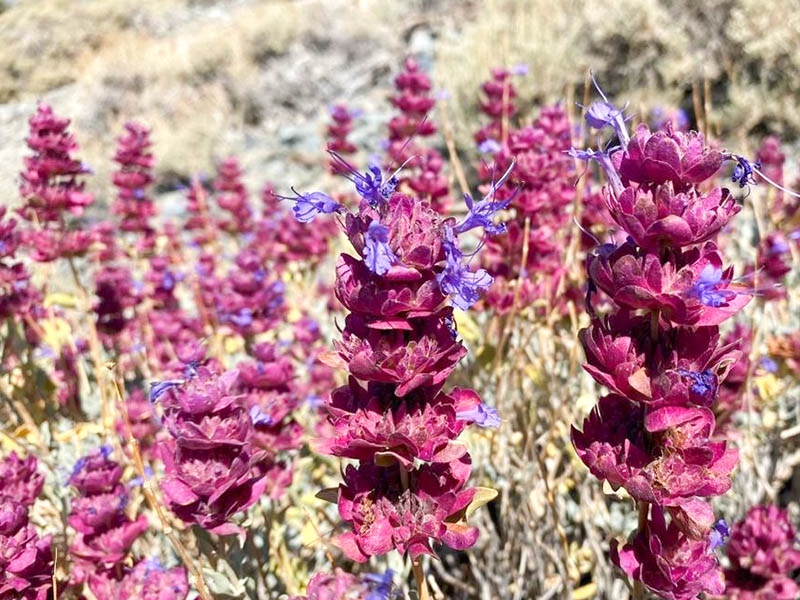
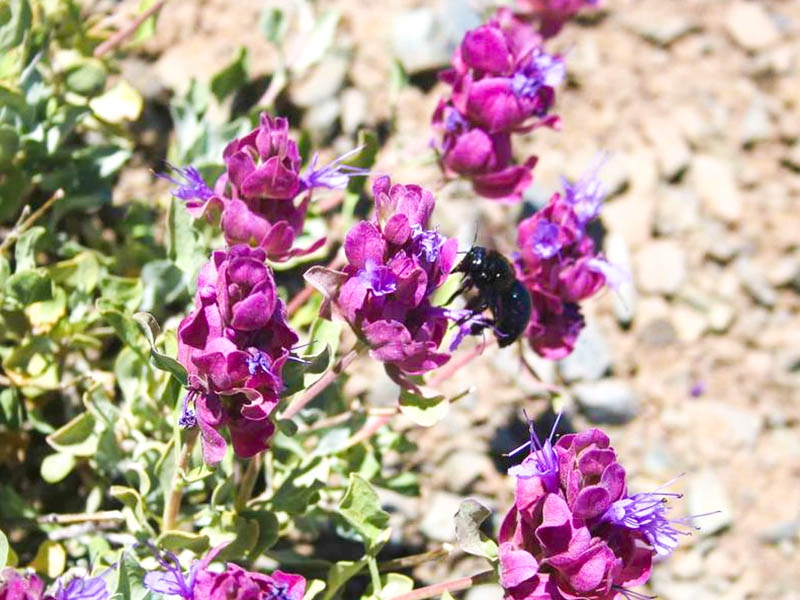
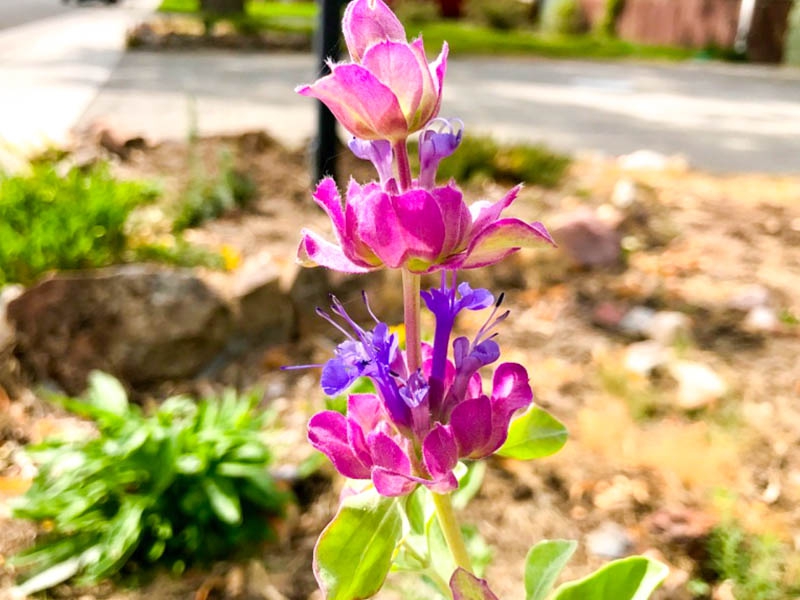
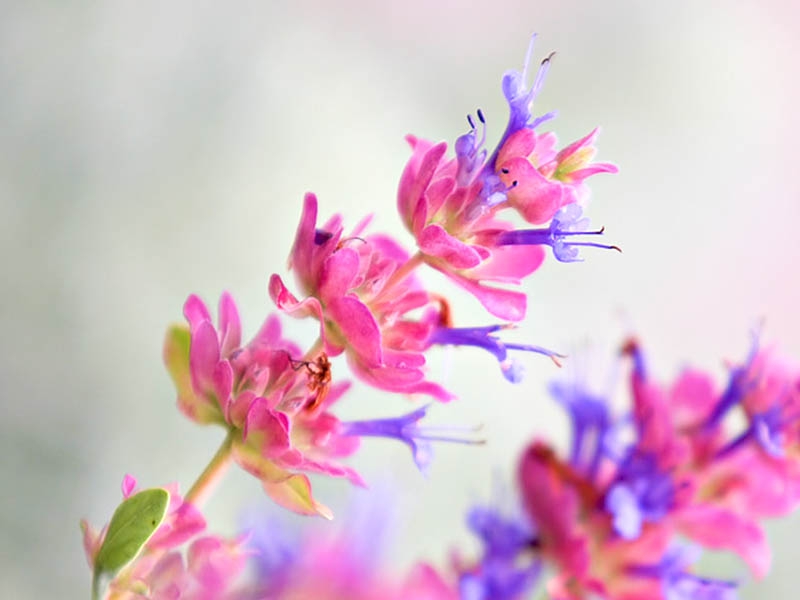
Salvia pachyphylla is a perennial plant that thrives in a variety of environments and possesses the following characteristics: - Growth Characteristics: - It is a plant that grows in alpine regions, native primarily to the southwestern United States. - It grows to a height of approximately 30–60 cm and produces silver-gray leaves and purple or bluish-purple flowers. - It prefers dry, sunny environments and grows well in well-drained soil. - Propagation Methods: - It can be propagated via seeds or cuttings. - It is best to sow seeds in the spring and germinate them in a moist environment. - Cuttings can be taken in the summer by cutting off a portion of the stem. - Cultivation Methods: - Plant in a location that receives ample sunlight, and well-drained sandy or gravelly soil is ideal. - It is recommended to water only after the soil has dried out, rather than watering too frequently. - Fertilizer does not need to be applied too frequently, but it is beneficial to apply a small amount of organic fertilizer in the spring. - Uses in the Garden: - It is suitable for dry gardens or rock gardens and is a good ornamental plant. - Due to its beautiful flowers and ability to attract bees, it can also be used in ecological gardens. - Major Pests and Diseases and Control Methods: - It is relatively resistant to pests and diseases, but root rot may occur if the soil is excessively wet. - To prevent root rot, pay attention to drainage and avoid overwatering. - Pests may include aphids or scale insects; they can be physically removed or treated with eco-friendly insecticides immediately upon discovery. Salvia pachyphila is a plant that grows relatively well without special care and can be utilized for various purposes in the garden.
Plant Type
Plant Family
Lamiaceae
Height
60~90cm
Spread
60~90cm
Colors
purple
Bloom Period
June to August
Water Needs
commonly
Exposure
Sunny
Freezing Resistance
-10°C
Salvia Romeriana
Salvia roemeriana
Salvia melifera
Salvia mellifera