English
한국어
English
Español
中文
हिंदी
Home
News
Community
Dictionary
English
한국어
English
Español
中文
हिंदी
View list
Lirataseiji Liratata
Salvia lyrata
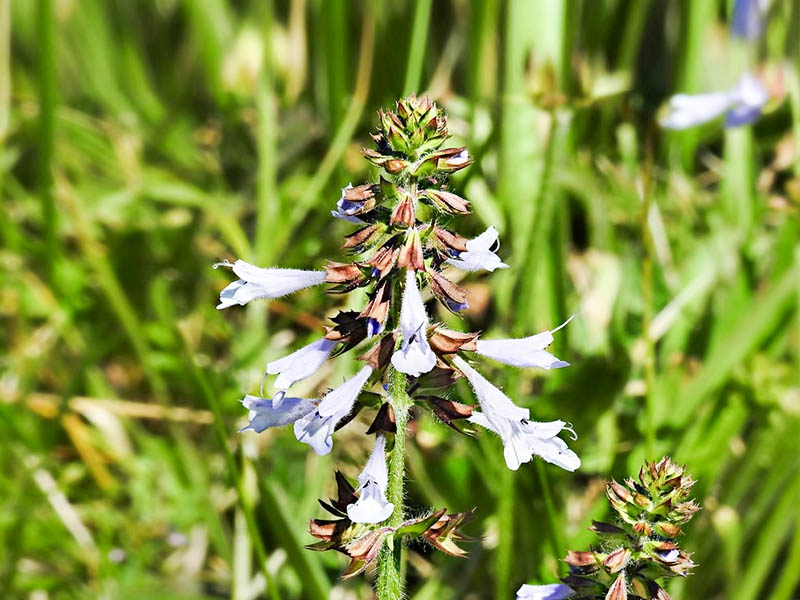
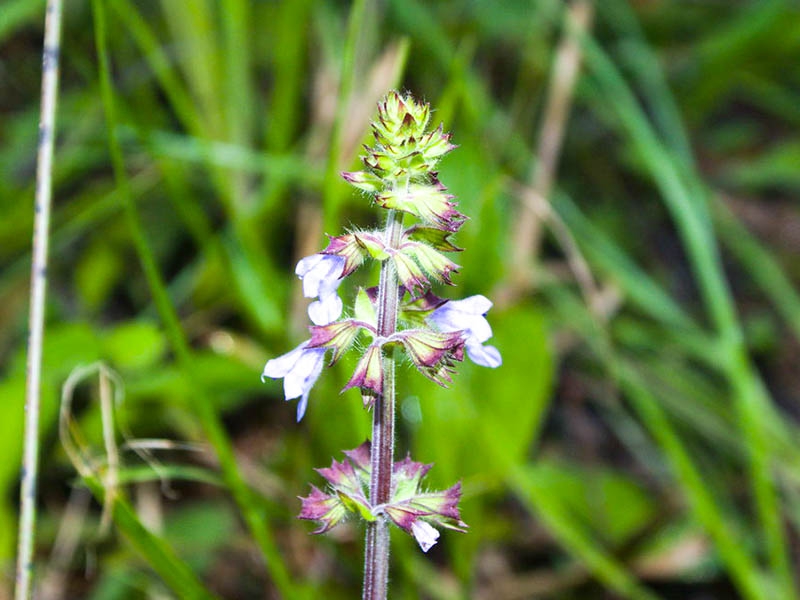
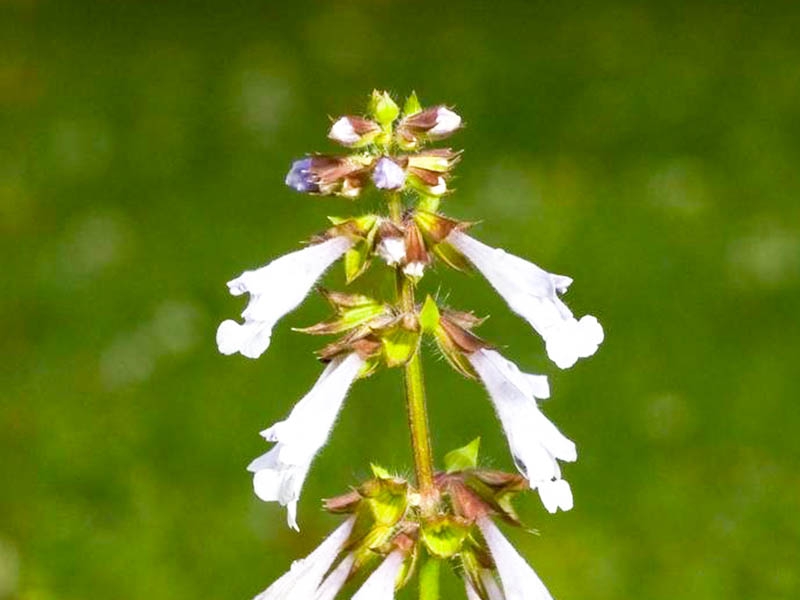
Salvia lyrata (Sage Lyrata) is a perennial herbaceous plant belonging to the Lamiaceae family. Native to North America, it thrives primarily in moist regions. This section will explain the plant's growth characteristics, propagation methods, cultivation techniques, garden uses, and important pests and diseases, as well as control methods. Growth Characteristics Salvia lyrata grows to a height of approximately 30 to 60 cm and has a distinctive fragrance on its stems and leaves. It tends to spread rapidly and forms runners, which are new plants that grow from the roots. It produces purple and blue flowers, which bloom mainly from late spring through summer. Propagation Methods Salvia lyrata is propagated by seeds, root division, and runners. - Seed Propagation: Seeds are harvested in the fall and sown directly for sale, or sown indoors in early spring to grow into seedlings. - Root Division: Propagation is possible by digging up mature plants with their roots intact and dividing them for planting in early spring. - Runners: It can also be propagated by planting the runners that spread out from the ground. Cultivation Method - Soil: Well-drained soil is suitable, and soil mixed with sand and gravel is also acceptable. - Sunlight: It prefers sunlight but can also grow in partial shade. - Watering: Avoid overwatering and take care to prevent the plant from drying out. - Fertilizer: It does not require particularly large amounts of nutrients; providing a small amount of fertilizer periodically as it grows is sufficient. Uses in the GardenLyrata is a beautiful native plant widely used in gardens as ground cover or boundary plants. It is also highly versatile, fitting well into wildflower gardens and natural landscapes. It is an excellent plant for attracting wildlife such as bees and butterflies. Important Pests and Control Methods - Diseases: Root rot can occur mainly due to excessive moisture. To prevent this, pay attention to drainage, and consider soil disinfection if necessary. - Pests: It can be damaged by aphids and moths. Removal by hand or washing with soap and water is an effective method. Eco-friendly insecticides can be used for natural control. Liratta sage can grow healthily with proper environment and care, and it is an attractive plant that can be used in the garden for various purposes.
Plant Type
Plant Family
Lamiaceae
Height
30~60cm
Spread
25~30cm
Colors
blue
Bloom Period
March to June
Water Needs
commonly
Exposure
Sunny
Freezing Resistance
-10°C
Salvia melifera
Salvia mellifera
Purple sage
Salvia leucophylla