English
한국어
English
Español
中文
हिंदी
Home
News
Community
Dictionary
English
한국어
English
Español
中文
हिंदी
View list
Purple sage
Salvia leucophylla
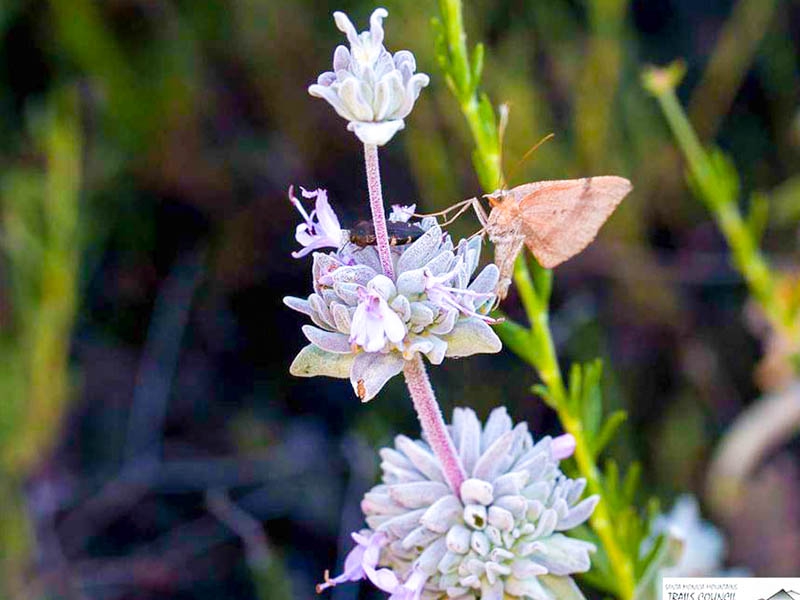
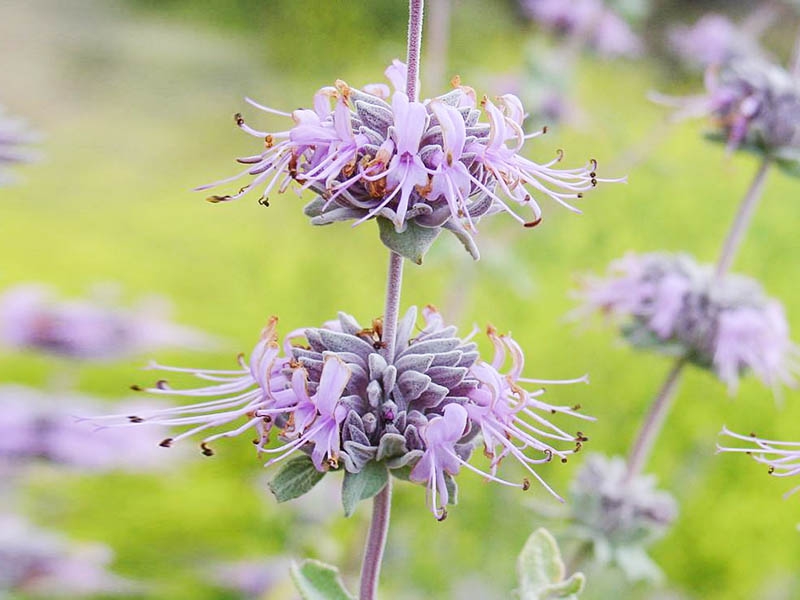
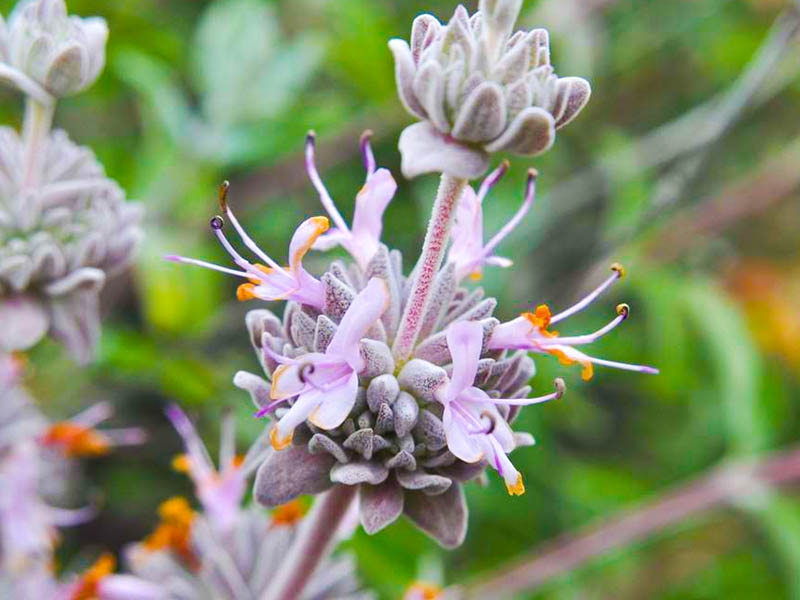
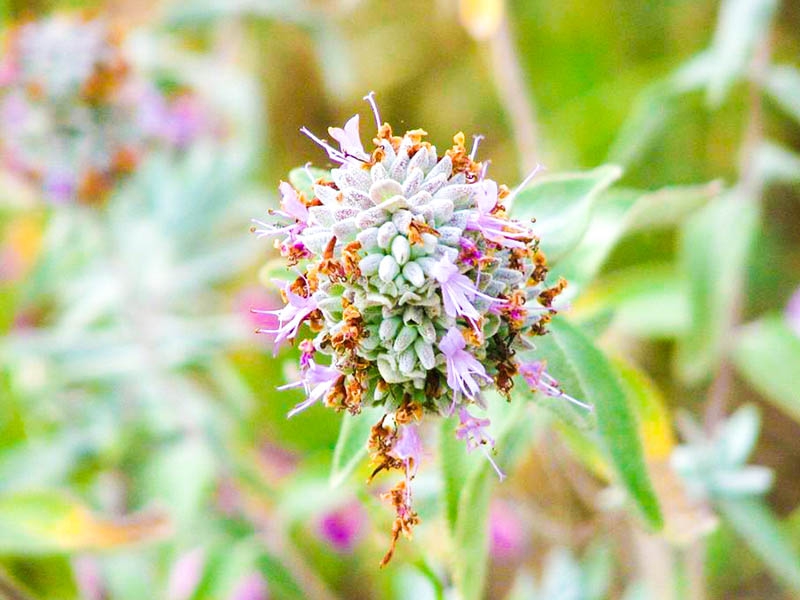
Purple Sage (Salvia leucophylla) is a herb native primarily to Southern California and Northwestern Mexico. Below, we describe its growth characteristics, propagation methods, cultivation techniques, garden uses, and major pests and diseases and control methods. Growth Characteristics - Sunlight: It requires ample sunlight; while it can grow in partial shade, direct sunlight is preferred for optimal growth. - Soil: It prefers well-drained soil and thrives in dry environments. - Temperature: It grows well in warm climates, but growth may slow down at low temperatures. - Moisture: It can survive in relatively dry environments, but adequate watering is required during the early growing season. Propagation Methods - Seed Sowing: Sow seeds in late winter or early spring. Plant in well-drained soil and ensure the seeds take root properly. - Cuttings: It can be propagated by cuttings during the summer. Cut a healthy stem, plant it in potting soil, and maintain a moist environment until roots develop. Cultivation Method - Watering: Be careful not to overwater, as this can cause root rot; water only when the soil is dry. - Fertilizer: No special fertilizer is required, but it is recommended to apply a small amount of organic fertilizer in the spring. - Pruning: Prune as the plant grows to maintain its shape. Garden Uses - Landscaping: Purple sage can add visual and olfactory appeal to the garden with its beautiful flowers and fragrance. - Windbreak and Border Plant: It grows as a low shrub, making it suitable for use as a border plant. - Attracting Pollinators: It is beneficial for attracting pollinators such as bees and butterflies. Important Pests and Control Methods - Diseases: Root rot caused by excessive moisture is the most common problem. Ensure good drainage. - Pests: Aphids or moths can cause problems. Control using soapy water is effective. - Control Methods: Environmentally friendly methods include periodic observation, manual removal, and the use of natural enemies. Use appropriate insecticides when necessary. Based on this information, you will be able to grow healthy and beautiful purple sage in your garden.
Plant Type
Plant Family
Lamiaceae
Height
90~150cm
Spread
90~150cm
Colors
purple
Bloom Period
April to June
Water Needs
commonly
Exposure
Sunny
Freezing Resistance
-10°C
Lirataseiji Liratata
Salvia lyrata
Salvia Dori
Salvia dorrii